Liver Transplant: What You Need to Know About Medications, Risks, and Recovery
When someone gets a liver transplant, a surgical procedure to replace a failing liver with a healthy one from a donor. Also known as hepatic transplantation, it’s often the last option for people with end-stage liver disease, but the real challenge begins after the operation.
After a liver transplant, a surgical procedure to replace a failing liver with a healthy one from a donor. Also known as hepatic transplantation, it’s often the last option for people with end-stage liver disease, but the real challenge begins after the operation.
After a liver transplant, a surgical procedure to replace a failing liver with a healthy one from a donor. Also known as hepatic transplantation, it’s often the last option for people with end-stage liver disease, but the real challenge begins after the operation.
After a liver transplant, your body will try to reject the new organ. To stop that, you’ll take immunosuppressant drugs, medications that weaken the immune system to prevent organ rejection. Common ones include tacrolimus, mycophenolate, and corticosteroids. These aren’t optional—they’re lifelong. Skip a dose, and your transplant could fail. Take too much, and you risk infections, kidney damage, or even cancer.
These drugs don’t work in a vacuum. They interact with almost everything else you take. A simple over-the-counter painkiller, an herbal supplement, or even grapefruit juice can throw off your blood levels. That’s why drug interactions after transplant, harmful combinations that change how immunosuppressants work in your body. Also known as transplant medication conflicts, they’re one of the top reasons people end up back in the hospital. Your doctor will monitor your blood levels closely, but you need to know what to avoid. Antibiotics, antifungals, seizure meds, and even some acid reflux pills can mess with your transplant drugs. Keep a full list of everything you take—prescription, OTC, or herbal—and bring it to every appointment.
Side effects from transplant meds are common and often misunderstood. Weight gain, shaky hands, high blood pressure, and diabetes aren’t just annoyances—they’re signs your body is under stress from the drugs. Many people think these are normal and just live with them. But they’re not. New protocols are shifting toward lower doses and combination therapies to reduce long-term damage. If you’re feeling off, speak up. There’s usually a way to adjust without risking rejection.
And it’s not just about the drugs. Your liver transplant changes how your whole body responds to illness. A cold might turn into pneumonia. A routine vaccine might not work the same way. You’ll need to be more careful with food, travel, and exposure to crowds. The goal isn’t just to survive—it’s to live well. That means understanding your meds, knowing your limits, and staying in close contact with your care team.
Below, you’ll find real-world advice from people who’ve been through this. From spotting early signs of rejection to handling insurance denials for transplant meds, these posts give you the tools to take control—not just survive, but thrive after a liver transplant.
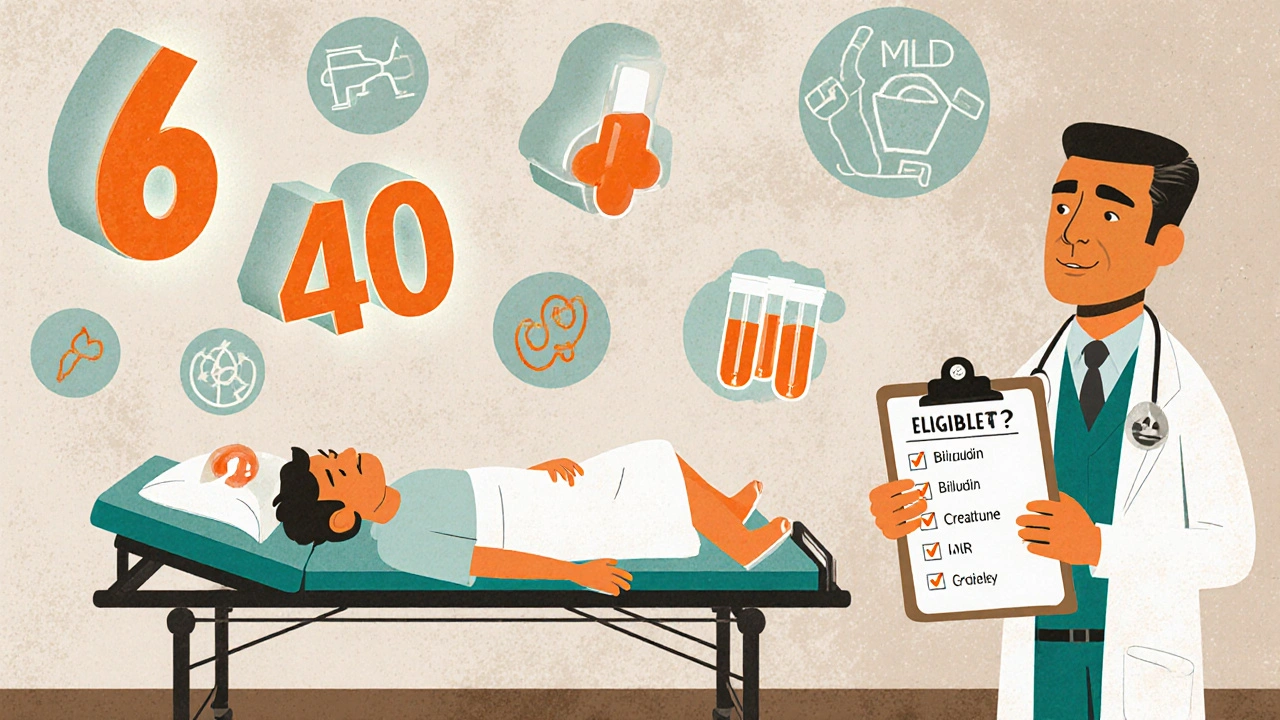
Liver Transplantation: Eligibility, Surgery, and Immunosuppression Explained
A comprehensive guide to liver transplantation, covering eligibility criteria, surgical procedures, and lifelong immunosuppression needs. Learn how MELD scores, donor types, and medication regimens impact survival and quality of life.
Read MoreLatest Post
-

The Connection Between Obesity and Joint Damage 29 April 2023
-

-

-
-