Medicare Part D appeals: How to fight denied drug coverage
When your Medicare Part D appeals, the formal process to challenge a drug plan’s decision to deny, limit, or refuse to pay for a prescribed medication. Also known as Part D coverage dispute, it’s your legal right to push back when a plan says no to a drug your doctor ordered. This isn’t just paperwork—it’s often the only way to get life-saving or essential meds covered. Many people give up after the first denial, but over 60% of appeals that go to an independent review get approved. You don’t need a lawyer. You just need to know the steps.
Most drug coverage denials, refusals by Medicare Part D plans to cover a medication due to formulary restrictions, prior authorization requirements, or step therapy rules happen because the drug isn’t on the plan’s list, or the plan wants you to try cheaper alternatives first. Common targets include high-cost drugs for diabetes, autoimmune diseases, or cancer—like everolimus, a targeted therapy used for rare conditions like tuberous sclerosis that often requires special approval, or tacrolimus, an immunosuppressant critical for transplant patients that plans sometimes restrict due to cost. These aren’t luxury drugs—they’re medical necessities. But plans use formularies and tiering to control spending, and that’s where you step in.
Appealing isn’t complicated, but timing matters. You have 60 days from the denial letter to file. Start with a simple request for a redetermination—your doctor’s note helps, but even a clear letter from you explaining why the drug is essential can work. If that’s denied, you can escalate to a second review by an independent contractor. Most people stop here, but if you’re still denied, you can ask for a hearing with an administrative law judge. The whole process can take weeks, but if your drug is critical, it’s worth it. And you don’t have to pay for the drug upfront during the appeal if you file on time.
What you’ll find in the posts below are real-world examples of how people fought back—whether it was getting a generic switch approved, challenging a formulary exclusion, or proving that a narrow therapeutic index drug like levothyroxine, a thyroid hormone replacement where even tiny formulation changes can cause harm shouldn’t be swapped without warning. You’ll also see how Medicare Part D appeals connect to other issues: drug pricing, generic substitution, and how medication guides help you spot coverage red flags before they become problems. This isn’t just about one drug. It’s about knowing your rights, speaking up, and getting the treatment you need without being buried in bureaucracy.
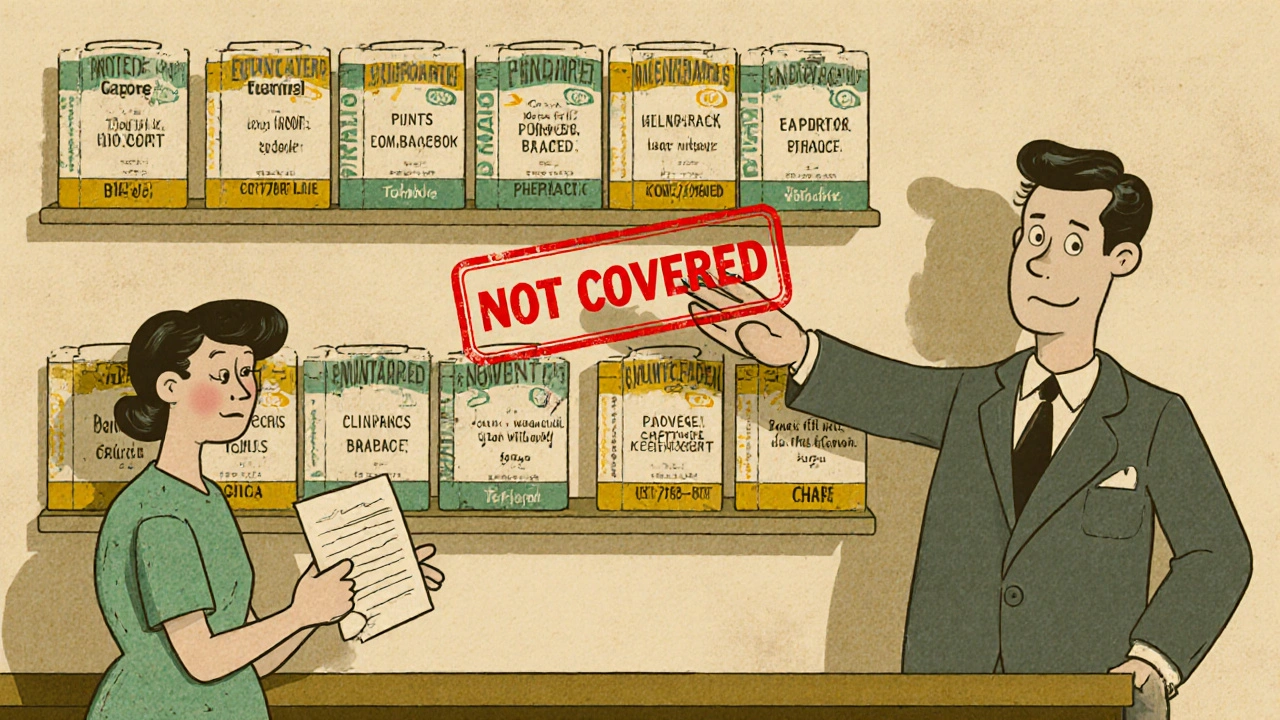
Non-formulary generics: what to do when coverage is denied
When your insurance denies coverage for a generic drug, you’re not out of options. Learn how to appeal non-formulary generic denials using federal exceptions processes, clinical documentation, and state-specific rights to get the medication you need.
Read MoreLatest Post
-

-
Medicare Part D Formularies: How Generic Coverage Works in 2025 1 December 2025
-
-

-