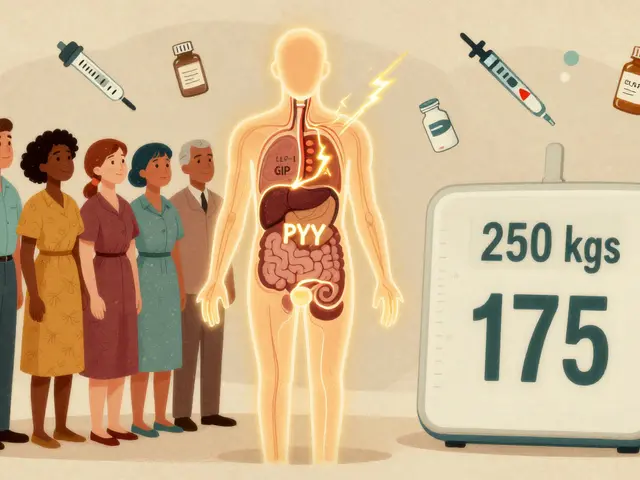
Medication Guides: Understand Risks, Interactions, and Safe Use
When you take a medication guide, a clear, written resource that explains how to use a drug safely, including risks and what to watch for. Also known as drug information leaflet, it’s not just paperwork—it’s your first line of defense against harm. Too many people skip reading them, then wonder why they felt sick, got a rash, or had a reaction they didn’t expect. The truth? Most medication errors don’t come from bad doctors—they come from missed details on the label, misunderstood warnings, or not knowing how a drug really works in your body.
Take drug interactions, when one medication changes how another works in your system, sometimes dangerously. Licorice might seem harmless, but it can wreck your blood pressure meds. Even a common supplement like St. John’s wort can make your antidepressant useless—or worse. Then there’s medication safety, the practice of using drugs correctly to avoid harm, from proper dosing to storage and disposal. Expired insulin doesn’t just lose power—it can turn toxic. Epinephrine pens left in hot cars? They might not save your life when you need them most. And don’t assume your pharmacist caught everything. Studies show over 40% of patients miss critical warnings because they didn’t ask the right questions.
Side effects, unwanted reactions to a drug that aren’t the intended benefit aren’t always obvious. Joint pain from a diabetes pill? That’s not just aging—it’s a known risk with DPP-4 inhibitors. Itchy skin after starting a new med? Could be an allergic trigger you never connected. And when you’re on immunosuppressants after a transplant, a simple cold could become life-threatening if you don’t know what to avoid. These aren’t rare edge cases—they’re common enough that they show up in nearly every post here.
What you’ll find below isn’t theory. It’s real-world advice from people who’ve been there: how to read your prescription label like a pro, when to question a dose change, what to say when your pharmacy gives you a new bottle, and how to spot hidden dangers in everyday things like licorice candy or herbal teas. You’ll learn why some meds can’t be used past their date, how to avoid dangerous cross-reactions after a bad drug experience, and what to do if your body reacts in ways your doctor didn’t warn you about. This isn’t about scaring you—it’s about giving you the tools to take control. Because when it comes to your health, knowing what’s in the bottle is just as important as having the prescription in the first place.
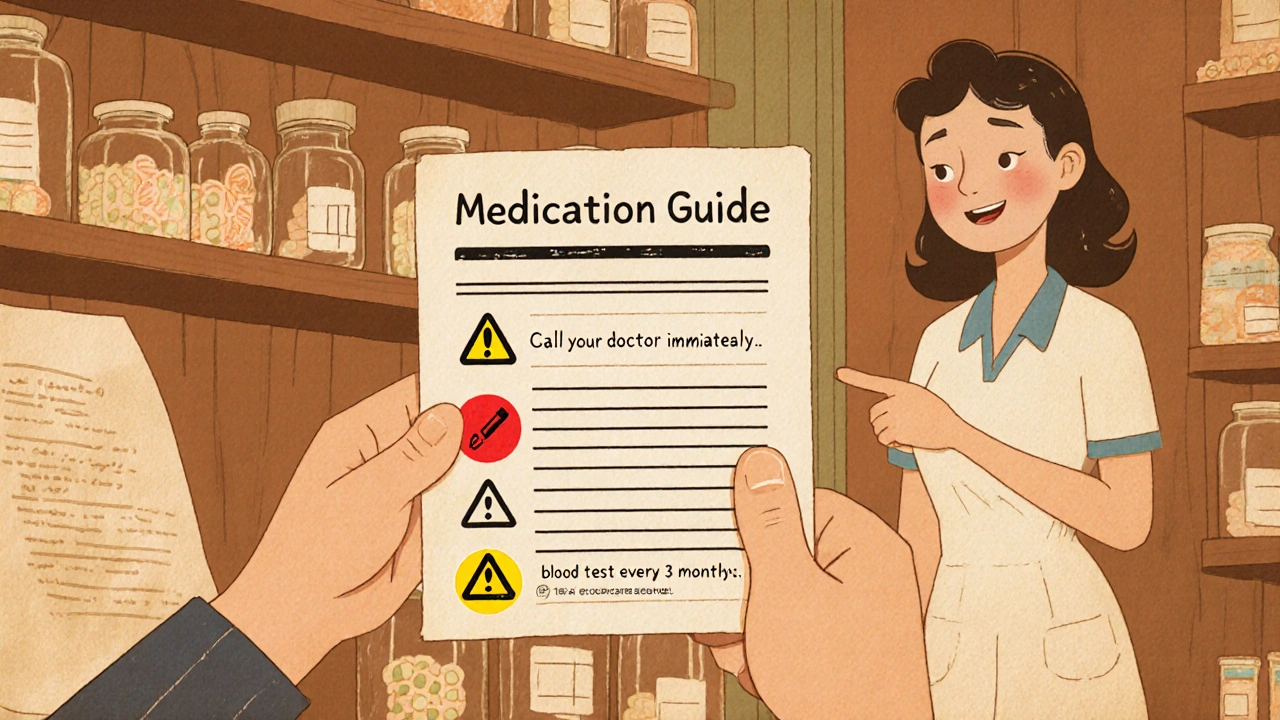
How to Read Medication Guides for Risk and Monitoring Advice
Learn how to read FDA-required Medication Guides to spot serious drug risks and follow critical monitoring steps. Know what to look for, when to call your doctor, and how to avoid preventable side effects.
Read MoreLatest Post
-
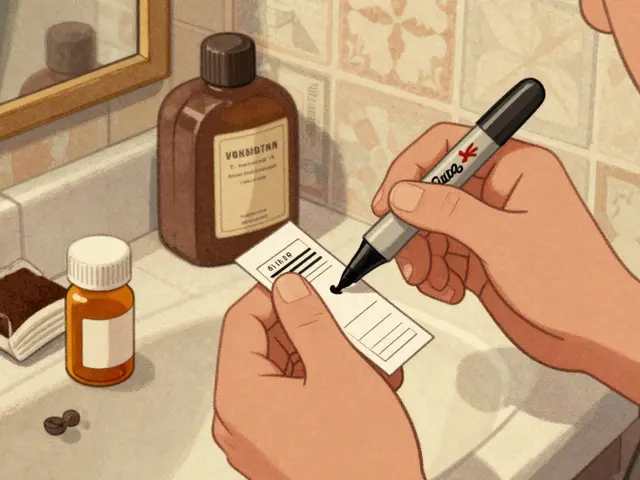
How to Protect Your Privacy When Disposing of Medications 26 December 2025
-
-
-
Dramamine vs Alternatives: Which Motion Sickness Remedy Is Best? 20 October 2025
-