Microbial Contamination: What It Is, Why It Matters, and How to Stay Safe
When we talk about microbial contamination, the presence of harmful microorganisms like bacteria, fungi, or viruses in products meant for human use. Also known as biological contamination, it’s not just a lab problem—it’s a real risk in medicines, supplements, and even sterile medical devices. This isn’t about dirt or dust. It’s about invisible invaders that can cause infections, organ failure, or death—even in people who are otherwise healthy.
Think about your insulin pen or eye drops. If they’re contaminated, you’re not just getting less effective treatment—you’re injecting or applying live pathogens directly into your body. The FDA has pulled dozens of products over the last five years for exactly this reason. Liquid antibiotics, injectables, and compounded medications are especially vulnerable because they lack the protective packaging of pills. Even a tiny breach during manufacturing or storage can turn a life-saving drug into a danger zone. And it’s not just pharmaceuticals. Supplements labeled as "pure" or "natural" aren’t automatically safe—many have been linked to microbial outbreaks because they skip strict sterile controls.
Manufacturers use clean rooms, sterilization, and microbial testing to prevent this, but mistakes happen. That’s why you need to know what to look for: cloudy liquid, strange odors, particles in the solution, or packaging that’s been opened or damaged. If your eye drops smell off, don’t use them. If your IV bag has floating bits, return it. These aren’t just "best practices"—they’re survival steps. sterile products, medications or devices designed to be free of living microorganisms must stay that way from factory to bedside. And pharmaceutical contamination, any unwanted biological, chemical, or physical substance in a drug product doesn’t always come from the factory. Improper storage, expired meds, or even dirty hands at home can introduce microbes after purchase.
You don’t need to be a scientist to protect yourself. You just need to be alert. The posts below show real cases where microbial contamination led to hospitalizations, recalls, and even deaths—and how people caught the signs before it was too late. You’ll learn which medications are most at risk, how pharmacies handle contamination reports, and what questions to ask before you take anything that goes into your body. This isn’t about fear. It’s about knowing what to watch for so you don’t become a statistic.
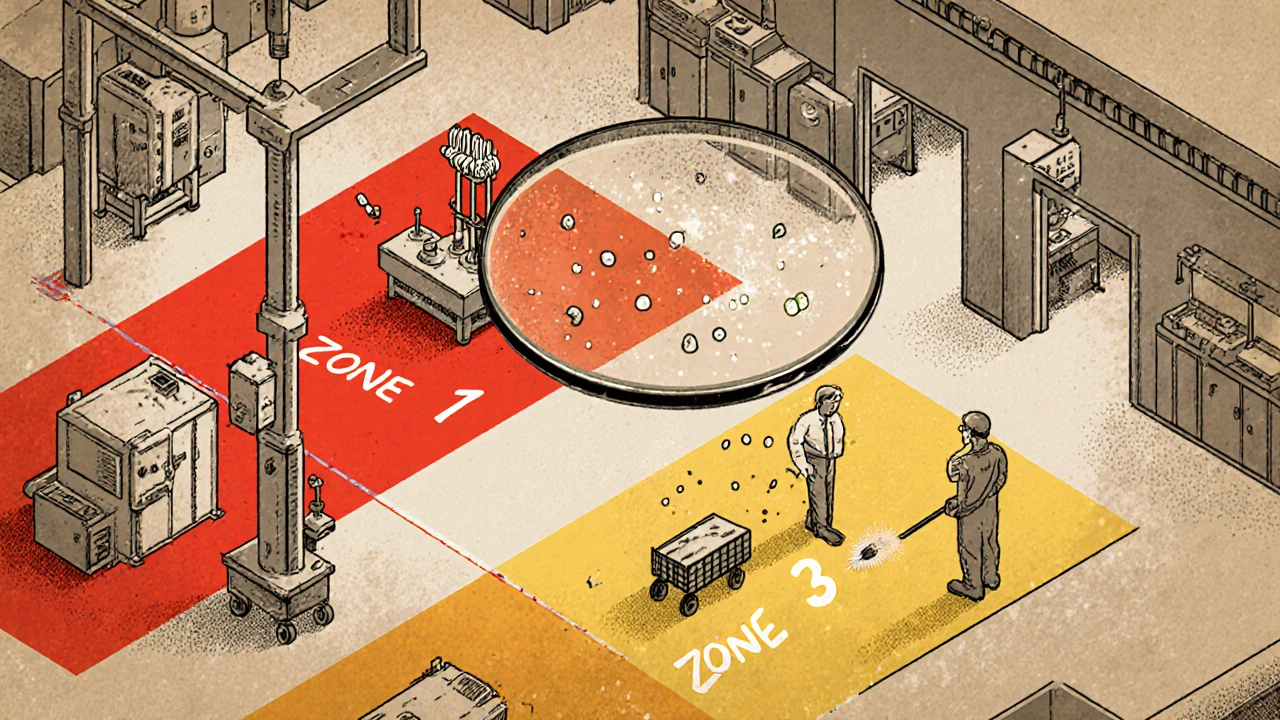
Environmental Monitoring: Testing Facilities for Contamination in Manufacturing
Environmental monitoring in manufacturing detects contamination in air, surfaces, and water before it affects products. Learn how zone-based testing, ATP swabs, and regulatory standards prevent recalls and ensure safety in pharma, food, and cosmetics.
Read MoreLatest Post
-

Cold-Induced Urticaria: Hives After Cold Exposure 11 February 2026
-

-
Buy Cheap Generic Abilify Online - Safe, Fast & Affordable 13 October 2025
-
How to Protect Your Privacy When Disposing of Medications 26 December 2025
-