Middle Ear Surgery: What It Is, When It’s Needed, and What to Expect
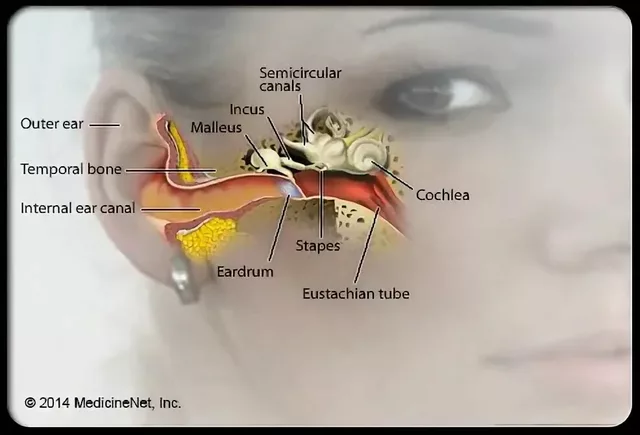
When middle ear surgery, a group of procedures designed to repair damage or fluid buildup in the middle ear space. Also known as tympanoplasty, it’s often the next step when infections, perforated eardrums, or chronic fluid don’t respond to meds or ear drops. This isn’t brain surgery—it’s targeted, precise, and often life-changing for people who’ve struggled with hearing loss, recurring pain, or constant drainage.
Most middle ear surgeries fall into a few common types. tympanoplasty, a procedure to repair a hole in the eardrum and sometimes rebuild the tiny bones behind it is common after long-term infections or trauma. ear tube insertion, also called myringotomy with tube placement is the go-to fix for kids with repeated ear infections or adults with fluid that won’t drain. And then there’s mastoidectomy, a more involved surgery that clears infected bone behind the ear when cholesteatoma or deep infection is present. Each one targets a different problem, but they all aim for the same thing: better hearing, less pain, and fewer infections.
People don’t usually choose this surgery lightly. It often comes after months—or years—of ear infections, muffled hearing, or the constant worry that your ear might pop or leak. Kids with ear tubes often start sleeping better, speaking clearer, and doing well in school. Adults who’ve had tympanoplasty report being able to hear conversations again, enjoy music, or even use the phone without cranking the volume. It’s not magic, but it’s close.
What’s missing from most people’s understanding is how much this ties into broader health. Chronic ear issues can mess with balance, sleep, even mental health. The same infections that lead to surgery can sometimes spread if ignored. And while antibiotics help short-term, they don’t fix structural problems. That’s where surgery steps in—not as a last resort, but as a smart, evidence-backed solution.
Below, you’ll find real-world guides on how these procedures work, what recovery looks like, how they compare to other treatments, and what to watch for after surgery. Some posts break down the science. Others give you the practical stuff: how to prep, what to ask your doctor, how to spot complications, and when you might need a second opinion. This isn’t just a list of articles—it’s a roadmap for anyone who’s tired of ear problems controlling their life.

Conductive Hearing Loss: Causes, Diagnosis, and Surgical Solutions for Middle Ear Problems
Conductive hearing loss is often caused by middle ear issues like fluid, perforated eardrums, or fused bones. Learn how diagnosis works, when surgery is needed, and what modern procedures like stapedotomy and tympanoplasty can achieve.
Read More