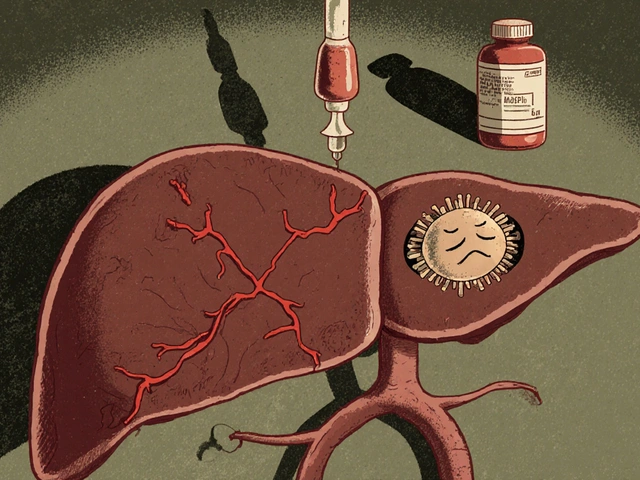
Nitroglycerin Potency: How Strength Affects Use, Safety, and Outcomes
When you take nitroglycerin, a fast-acting vasodilator used to relieve angina by relaxing blood vessels and improving blood flow to the heart. Also known as glyceryl trinitrate, it’s one of the most trusted tools for sudden chest pain—but its effectiveness depends entirely on its potency. Not all nitroglycerin is made equal. A tablet under your tongue, a spray, a patch, or an ointment all deliver different levels of the drug at different speeds. Getting the right potency isn’t just about dosage—it’s about matching the form to your body’s needs and your risk level.
Nitroglycerin potency, the concentration and release rate of the active ingredient directly affects how quickly your chest pain eases. Sublingual tablets and sprays are high-potency, fast-acting forms designed for immediate relief—often working in under a minute. If you’re using these, you need to know exactly how much you’re getting: 0.3 mg, 0.4 mg, or 0.6 mg can mean the difference between relief and a trip to the ER. On the other hand, patches and ointments are low-potency, slow-release versions meant for long-term prevention. Mixing them up can be dangerous. Taking a patch when you need a spray could delay relief during a heart event. And using a spray too often without medical guidance? That can drop your blood pressure too far, leaving you dizzy or worse.
Nitroglycerin dosage, the amount and frequency of use is tightly tied to potency. Doctors don’t just prescribe strength—they prescribe timing, route, and tolerance. People who use nitroglycerin daily can build up resistance, making the drug less effective unless they take breaks. That’s why patches are often removed at night. And if you’re switching from one form to another—say, from tablets to spray—you need to understand how potency shifts. A spray isn’t just "stronger"—it’s designed to bypass digestion and hit your system faster. Misjudging that can lead to overuse or underuse, both risky.
Side effects like headaches, low blood pressure, and fainting aren’t just annoyances—they’re signals. They tell you the potency is working, but maybe too much. If you’re getting dizzy after using nitroglycerin, it’s not always about the dose—it’s about how your body handles that specific form. Some people react badly to the alcohol base in sprays. Others get headaches from the rapid dilation caused by high-potency tablets. Knowing your body’s response to potency helps you talk to your doctor about alternatives, like isosorbide dinitrate, or adjusting your regimen.
What you’ll find in the posts below are real-world stories and clinical insights on how nitroglycerin potency plays out in practice: why some people need to carry two sprays, how elderly patients misjudge tablet strength, what happens when patches are reused, and how to avoid dangerous interactions with erectile dysfunction drugs like Viagra. These aren’t theoretical warnings—they’re lessons from people who’ve been there. Whether you’re managing angina, caring for someone who does, or just trying to understand why your prescription looks different than your neighbor’s, this collection gives you the facts you need to stay safe and in control.
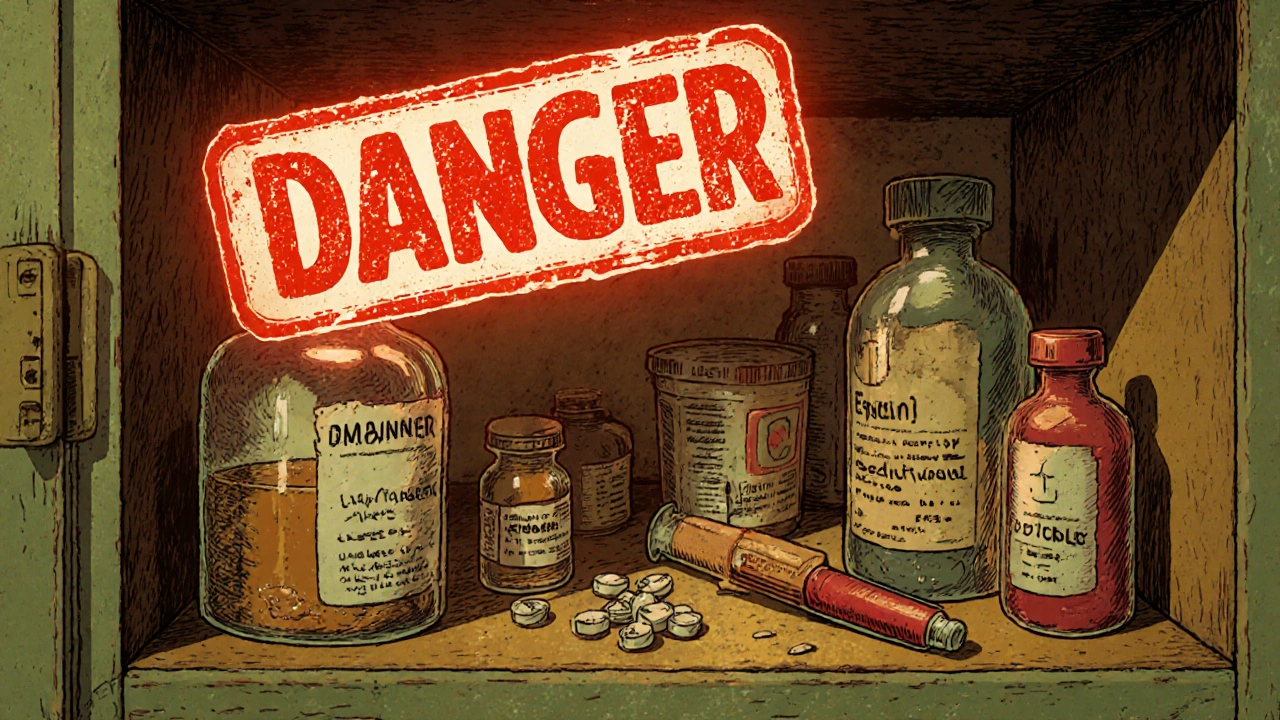
Medications You Should Never Use After the Expiration Date
Some medications lose potency after expiration, but others can become dangerous. Learn which drugs you should never use past their expiration date-including insulin, epinephrine, and liquid antibiotics-and how to store and dispose of them safely.
Read MoreLatest Post
-

Questions to Ask About Your Prescription Label at the Pharmacy 17 November 2025
-

-

-

-