
Opioid Safety: How to Use, Store, and Avoid Overdose
When doctors prescribe opioids, powerful painkillers like oxycodone, hydrocodone, or morphine used for acute or chronic pain. Also known as narcotics, they work by binding to brain receptors to reduce pain—but they also slow breathing, and that’s where danger starts. Opioid safety isn’t about fear—it’s about awareness. Millions of people use these medications safely every day, but thousands die each year from accidental overdose. The difference? Knowledge.
Naloxone, a life-saving medication that reverses opioid overdose by kicking opioids off brain receptors is now available without a prescription in most states. Keep it in your medicine cabinet if you or someone you live with takes opioids. Know where it is. Know how to use it. It’s not just for addicts—it’s for anyone who takes pain meds long-term, especially when combined with sleep aids, anxiety meds, or alcohol. The opioid overdose, a medical emergency marked by slow or stopped breathing, blue lips, and unresponsiveness doesn’t always look like a movie scene. Sometimes, it’s just someone who won’t wake up after taking their usual dose.
Storing opioids safely matters more than you think. A child grabbing a pill from a nightstand, a teen finding a bottle in a medicine cabinet, or an elderly parent mixing meds because they forgot what they took—these aren’t rare accidents. Keep opioids locked up, out of sight, and in their original bottles with labels intact. Never leave them on a counter, in a purse, or in a pill organizer with other meds. And never share your prescription—even if someone says they’re in pain. What helps you could kill them.
Many people don’t realize that mixing opioids with even a single dose of benzodiazepines (like Xanax or Valium) or sleep pills can turn a safe dose into a fatal one. That’s why your pharmacist should ask you every time you refill: "Are you taking anything else for sleep or anxiety?" If they don’t, ask them. Your life depends on it.
There’s also the risk of tolerance and dependence. Taking opioids for more than a few weeks can change how your brain works. You might need more to get the same relief, and stopping suddenly can make you sick. That doesn’t mean you’re addicted—but it does mean you need a plan. Talk to your doctor about tapering off before it becomes a problem. And if you’re on long-term opioids, ask about non-opioid alternatives—physical therapy, nerve blocks, or even certain antidepressants can help manage chronic pain without the risk.
What you’ll find in the posts below isn’t theory—it’s practical, real-world advice. You’ll learn how to read medication guides for overdose warnings, how to keep a symptom diary if you notice changes in breathing or mood, and how to spot when a generic switch might affect your pain control. You’ll see how naloxone is included in some prescription kits, why some people need two doses to reverse an overdose, and what to do if you’re worried a loved one is using more than prescribed. These aren’t hypotheticals. These are the moments that save lives.
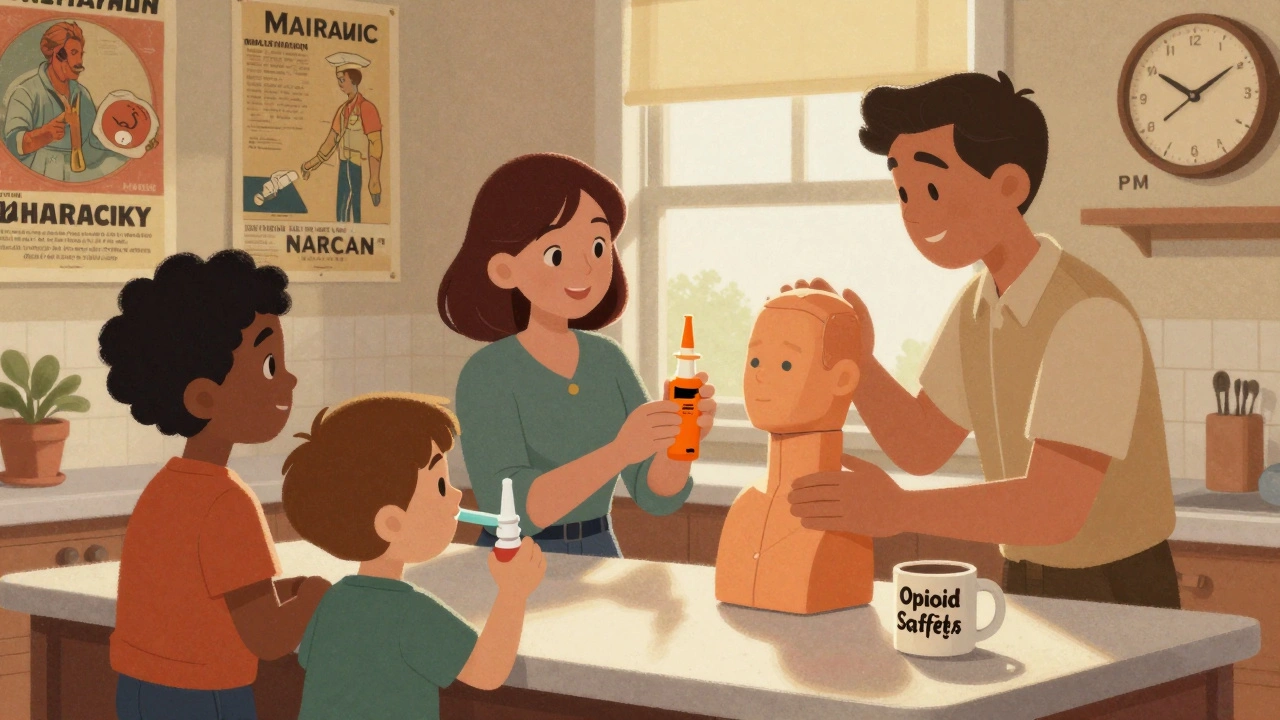
Naloxone Readiness Plan: How to Keep Patients Safe on Opioids
A naloxone readiness plan saves lives by ensuring quick access to overdose-reversing medication for anyone on opioids. Learn how to store, use, and distribute naloxone effectively.
Read MoreLatest Post
-

-
Antiviral Medications: Treatment Options for Viral Infections 18 December 2025
-

-
-
When Doctors Adjust Doses After Switching to Generic Medications 28 November 2025