
PBC: What It Is, How It’s Managed, and What Medications You Need to Know
When your body’s bile ducts get attacked by your own immune system, you’re dealing with primary biliary cholangitis, a rare autoimmune liver disease that slowly destroys the small bile ducts inside the liver. Also known as primary biliary cirrhosis, it’s not caused by alcohol or viruses—it’s your immune system turning on your liver. Left untreated, it leads to scarring, liver failure, and the need for a transplant. But with early detection and the right drugs, many people live normal lifespans. This isn’t a fast-moving illness. It creeps in over years, often with no symptoms at first. That’s why it’s often found by accident during routine blood tests showing elevated liver enzymes.
People with PBC, a chronic autoimmune liver condition that targets bile ducts typically need lifelong treatment. The first-line drug is ursodeoxycholic acid, a bile acid that helps move toxins out of the liver and slows disease progression. If that doesn’t work well enough, doctors add obeticholic acid, a stronger bile acid modulator that reduces liver inflammation and fibrosis. These aren’t cures, but they keep the liver working longer. Many patients also need supplements like vitamin D, calcium, or fat-soluble vitamins because PBC messes with nutrient absorption. Some even end up on immunosuppressants, especially if they have overlapping autoimmune conditions like rheumatoid arthritis or Sjögren’s syndrome.
What makes PBC tricky is how silent it can be. You might feel fine for years, then suddenly get itchy skin, fatigue, or dry eyes and mouth. That’s when you realize the damage has been building quietly. Regular monitoring—blood tests, ultrasound, sometimes liver biopsy—is non-negotiable. And if your liver starts failing despite treatment, a liver transplant, the only cure for end-stage PBC becomes the next step. The good news? Transplant success rates for PBC are among the highest of all liver transplant causes.
Below are real-world guides on how medications interact, how to track side effects, when generics need dose changes, and how to avoid dangerous combos—all of which matter deeply if you’re managing PBC or supporting someone who is. You’ll find practical advice on staying safe with prescriptions, understanding your liver’s limits, and making sure your treatment plan actually works over the long haul.
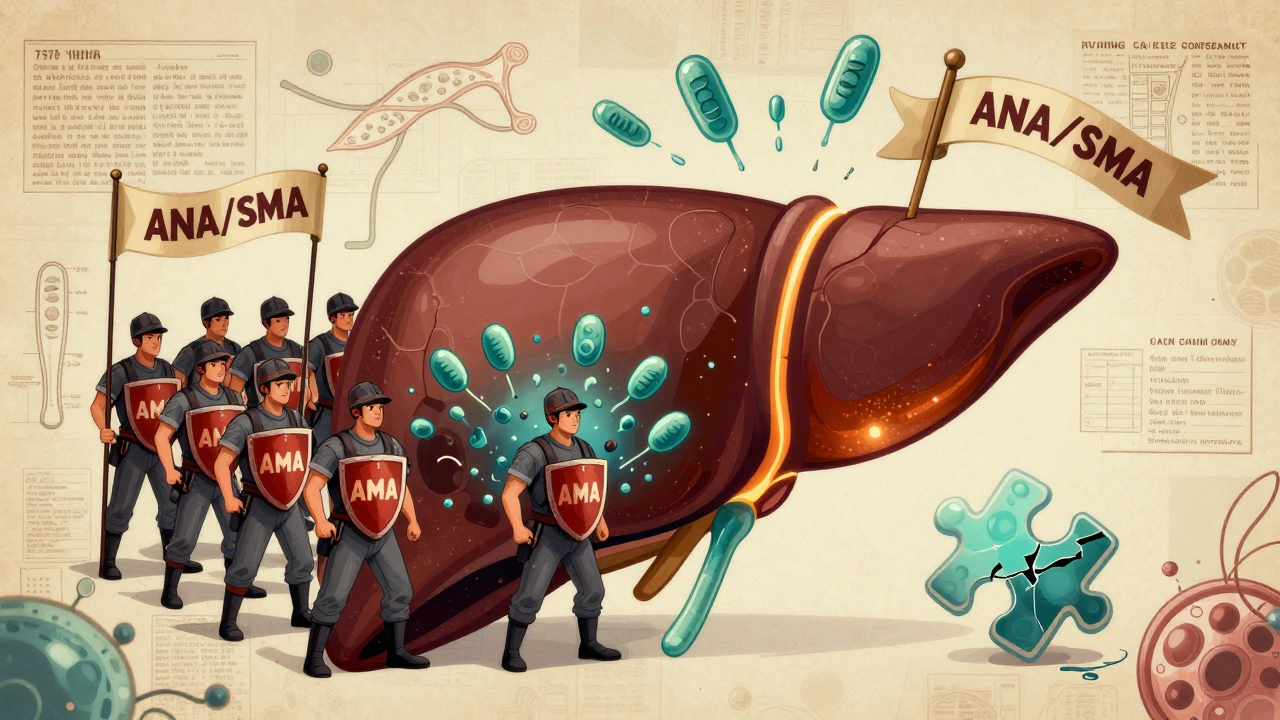
Autoimmune Overlap: Understanding PBC, PSC, and AIH Combined Features
Autoimmune overlap syndromes combine features of PBC, PSC, and AIH, requiring specialized diagnosis and dual treatment approaches. Learn how to spot the signs and why standard therapies often fall short.
Read MoreLatest Post
-
-
-

-

-
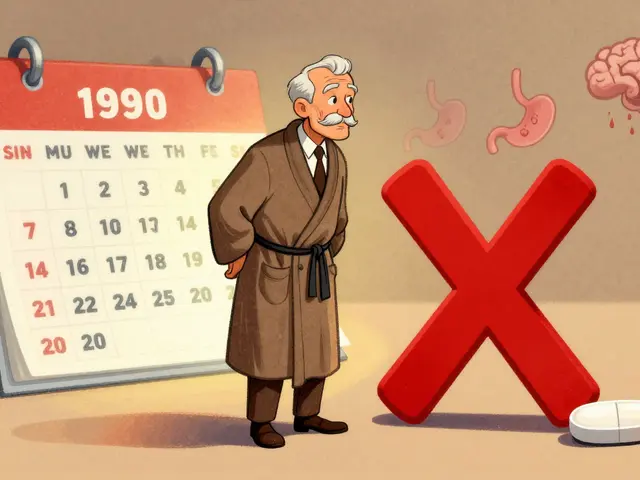
Aspirin for Primary Prevention: Who Should Skip Daily Doses 23 January 2026