Pharmacy Questions: Common Medication Concerns and Safe Answers
When you have pharmacy questions, practical concerns about how medications work, interact, or affect your daily life. Also known as medication concerns, these are the real-life issues people face when trying to stay healthy without getting hurt by the very drugs meant to help them. It’s not about memorizing drug names—it’s about knowing when to speak up, what to ask your pharmacist, and how to avoid mistakes that could cost you your health.
Many drug interactions, harmful overlaps between medications, supplements, or even foods. Also known as medication conflicts, they often go unnoticed until someone ends up in the ER. Think licorice raising your blood pressure while you’re on ACE inhibitors, or licorice lowering your potassium to dangerous levels. Or DPP-4 inhibitors like Januvia causing severe joint pain that gets misdiagnosed as arthritis. These aren’t rare—these are common enough that the FDA has issued warnings. And then there’s cross-reactivity: just because you had a bad reaction to one drug doesn’t mean you must avoid the whole family. Too many people are labeled allergic to penicillin or sulfa drugs based on old records, when modern testing shows they’re fine. That’s not just inconvenient—it can delay life-saving treatment.
Switching pharmacies sounds simple, but it’s full of traps. Controlled substances like opioids or stimulants have strict DEA rules. One wrong step and your prescription gets denied. Even routine transfers can fail if you don’t give the exact name of the drug, the prescribing doctor, and the original pharmacy’s contact info. And don’t assume your new pharmacy knows your history—many don’t automatically pull old records. You have to push for it. That’s why knowing how to verify dose changes matters. A simple misread of "5 mg" as "50 mg" on a high-alert drug like insulin or warfarin can be deadly. Independent double checks, barcode scans, and clear SBAR communication aren’t hospital bureaucracy—they’re your safety net.
And it’s not just about pills. Some pharmacy questions are about what you can’t buy. Natural remedies like turmeric or St. John’s wort might seem harmless, but they can mess with blood thinners, antidepressants, or chemotherapy drugs. You need evidence-based advice—not Instagram hacks. The same goes for buying cheap generics online. It’s tempting to save money, but if you don’t know how to spot a fake pharmacy, you could end up with chalk pills or toxic ingredients. Legit online pharmacies require a prescription, have a licensed pharmacist on staff, and let you verify their license through state boards.
Behind every pharmacy question is a person trying to do the right thing. Maybe you’re managing diabetes at work and need snack tips. Maybe you’re on biologics and worried about hepatitis B reactivation. Maybe you’re switching from Seroquel to another antipsychotic and need to know what side effects to expect. These aren’t abstract medical topics—they’re daily struggles. The posts here cover exactly that: the real, messy, confusing stuff you won’t find in a drug leaflet. You’ll learn how to spot hidden dangers, ask better questions, and take control without sounding like you’re challenging your doctor. No fluff. No jargon. Just what you need to stay safe, informed, and in charge of your own health.
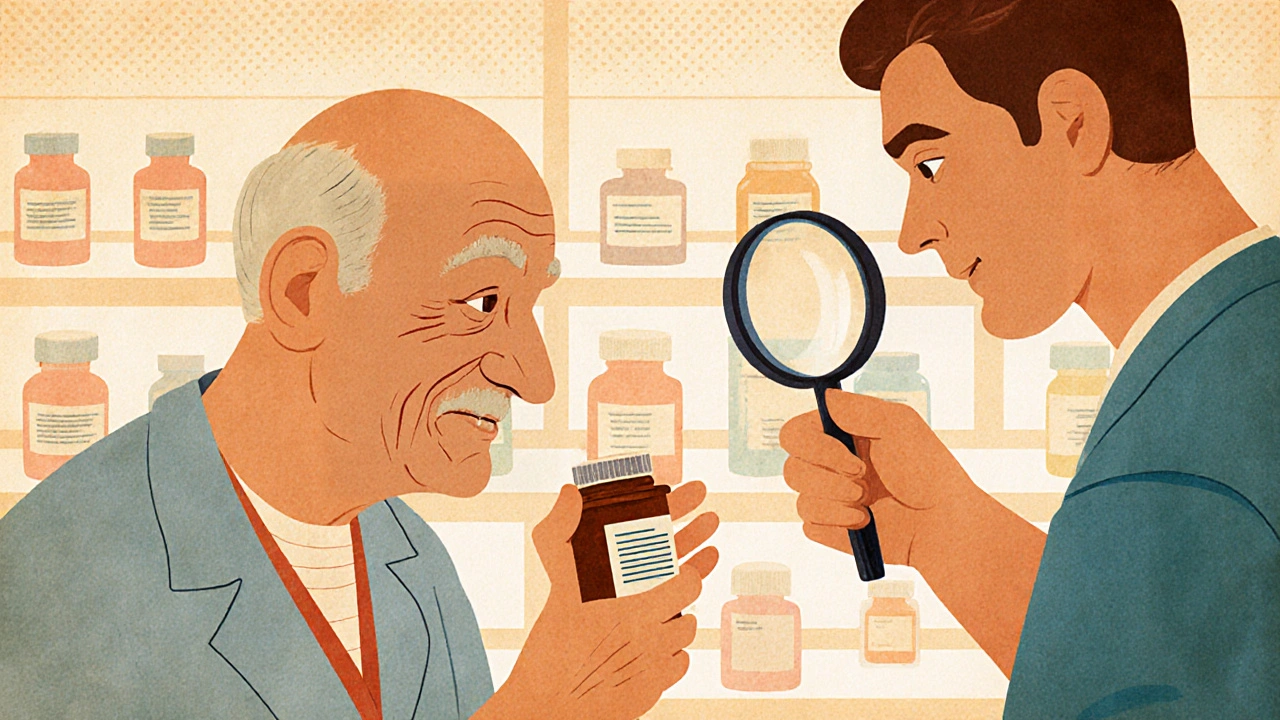
Questions to Ask About Your Prescription Label at the Pharmacy
Learn the key questions to ask about your prescription label at the pharmacy to avoid dangerous mistakes. From storage to side effects, knowing what to ask can save your life.
Read MoreLatest Post
-
Tricor (Fenofibrate) Guide: Uses, Dosage, Side Effects & FAQs 21 September 2025
-
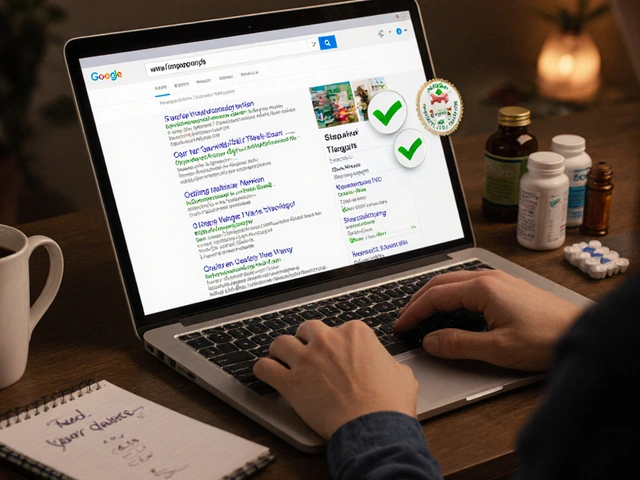
How to Buy Cheap Generic Nexium Online Safely 12 October 2025
-
-

-