Postpartum Mental Health: What You Need to Know About Depression, Anxiety, and Recovery
When we talk about postpartum mental health, the emotional and psychological well-being of women after childbirth. Also known as perinatal mood disorders, it includes conditions like postpartum depression and postpartum anxiety—not just "baby blues," but real, lasting struggles that can start anytime in the first year after giving birth. This isn’t about being weak or overwhelmed. It’s about biology, hormones, sleep loss, and the pressure to be perfect all hitting at once.
Many women don’t realize their constant crying, racing thoughts, or fear of being alone with their baby aren’t normal. Postpartum depression isn’t just sadness—it’s numbness, guilt, and feeling like you’re failing even when you’re doing everything right. Postpartum anxiety looks like panic attacks over a sneeze, obsessing over every feed, or terrified thoughts about something happening to your child. These aren’t rare. One in seven mothers experiences depression after birth. One in ten battles severe anxiety. And most don’t tell anyone because they’re ashamed, or they think it’ll pass. It won’t. And it doesn’t have to be this way.
What makes this worse is that doctors rarely ask about it. You get a six-week checkup, and they ask if you’re bleeding or healing—but not if you’re sleeping, if you’ve cried today, or if you’ve thought about not being here anymore. That gap is deadly. Support isn’t just therapy or pills—it’s community, partners who step up, employers who offer real leave, and systems that treat mental health like physical health. The tools exist: screening tools, peer groups, medication that’s safe for breastfeeding, and evidence-based therapies. But knowledge? That’s still missing for too many.
Below, you’ll find real stories and facts about what helps, what doesn’t, and how to recognize when something’s wrong—before it gets worse. You’ll learn about medications that are safe while nursing, how to spot signs in someone else, and why ignoring your mental health after birth isn’t strength—it’s risk. This isn’t about fixing yourself. It’s about getting the help you deserve, no excuses.
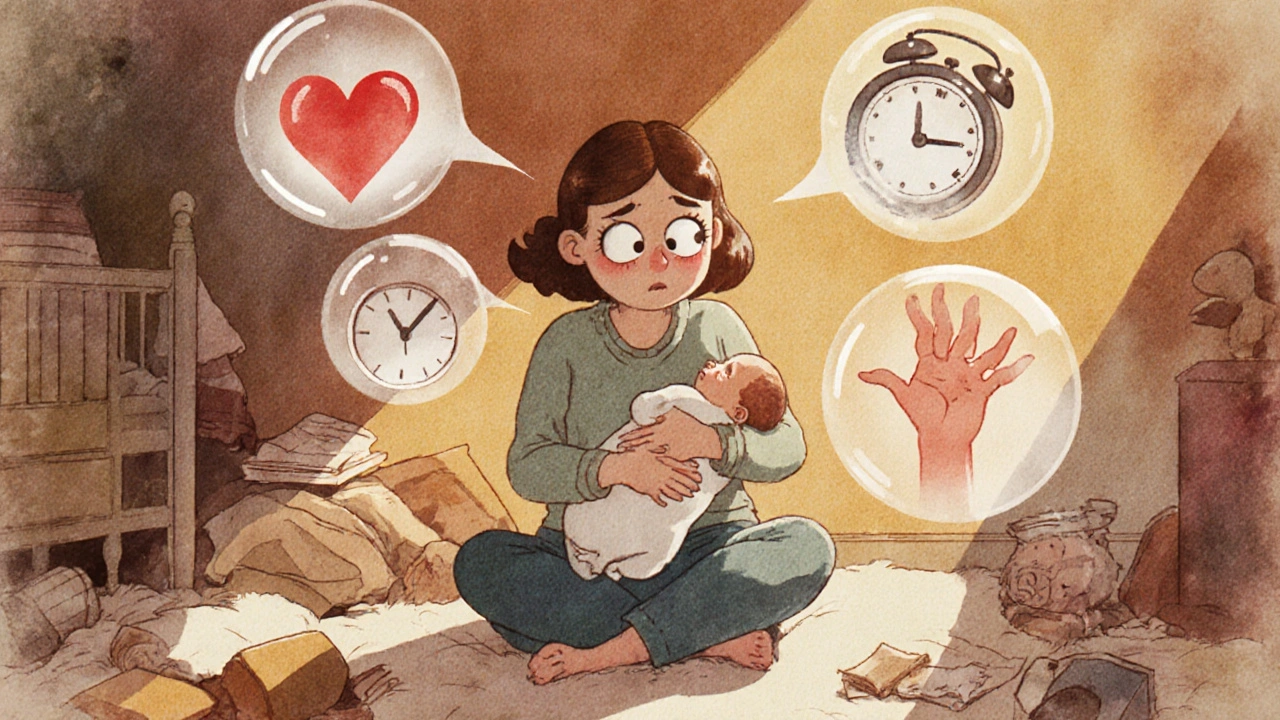
Postpartum Anxiety: Recognizing Symptoms, Screening Tools, and Effective Care Paths
Postpartum anxiety affects 1 in 5 new mothers and is often missed. Learn the real symptoms, how screening works, and evidence-based treatment paths - from therapy to medication - that actually help.
Read MoreLatest Post
-

How to Get Free Samples Ethically and Track Lot Expiration 18 February 2026
-
Buy Cheap Generic Lisinopril Online - 2025 Guide 14 October 2025
-
-
How to Talk to Your Doctor About Generic vs. Brand-Name Medications 19 December 2025
-