
Refill Information: How to Avoid Prescription Delays and Stay on Track
When you rely on medication, refill information, the details you need to get your prescription renewed without interruption. Also known as medication renewal, it’s not just a reminder—it’s a critical step in managing your health. Missing a refill can mean days without treatment, worsening symptoms, or even hospital visits. And it’s not just about running out: pharmacies, insurance, and law all have rules that can block your refill if you don’t know them.
Knowing how prescription refill, the process of getting a new supply of a medication after the current one runs out. Also known as medication renewal, it works saves time and stress. Some meds, like blood pressure pills or diabetes drugs, need steady use—skipping even a few days can spike your numbers. Others, like antibiotics or short-term pain relievers, may not need refills at all. But the tricky ones? Controlled substances like opioids, stimulants, or certain anti-anxiety meds. These follow strict DEA rules, federal regulations that control how certain drugs are prescribed, dispensed, and refilled. Also known as controlled substance regulations, they—no refills allowed without a new script, no early fills, no phone orders in many cases. If you’re on one of these, you need to plan ahead. And if you’re switching pharmacies, you’ll need your full prescription number, the prescriber’s details, and sometimes a signed form. Many people don’t realize that pharmacies can’t transfer a controlled substance more than once without a new prescription from your doctor.
It’s not just about the rules—it’s about communication. Did your doctor change your dose? Did your insurance deny your refill? Was your prescription marked as "allergy" by mistake? All of these can block your refill even if you’re not out of pills yet. That’s why checking your refill status early matters. Don’t wait until your last pill is gone. Call your pharmacy a week before you run out. Ask if there are any holds, prior authorizations, or dosage limits. If you’ve had a bad reaction to a drug before, make sure your allergy is clearly marked in your profile—because outdated labels can delay treatment just as much as a missing refill. And if you’re using natural supplements to manage side effects, check for interactions. Licorice, for example, can mess with blood pressure meds. DPP-4 inhibitors can cause joint pain. These aren’t just side notes—they’re real reasons your refill might be questioned.
What you’ll find below are real stories and practical guides from people who’ve been through it: how to transfer prescriptions smoothly, how to handle refills for controlled substances without panic, how to spot when a refill is blocked by a mistake, and how to advocate for yourself when the system gets in the way. These aren’t theory pages—they’re field reports from patients, pharmacists, and caregivers who’ve learned the hard way. You don’t need to guess. You don’t need to wait. You just need to know what to ask, when to act, and where to look.
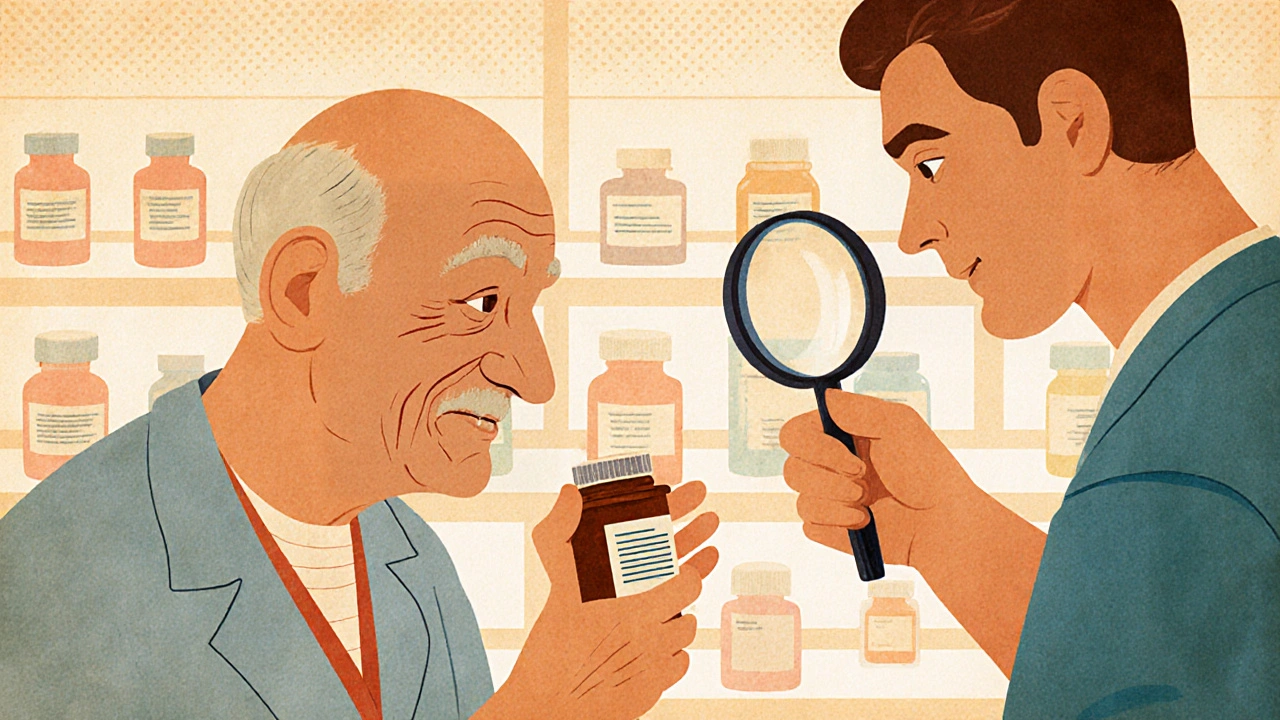
Questions to Ask About Your Prescription Label at the Pharmacy
Learn the key questions to ask about your prescription label at the pharmacy to avoid dangerous mistakes. From storage to side effects, knowing what to ask can save your life.
Read MoreLatest Post
-
-

-

-

-
Medexil vs Other Sildenafil Options: Detailed Comparison 7 October 2025