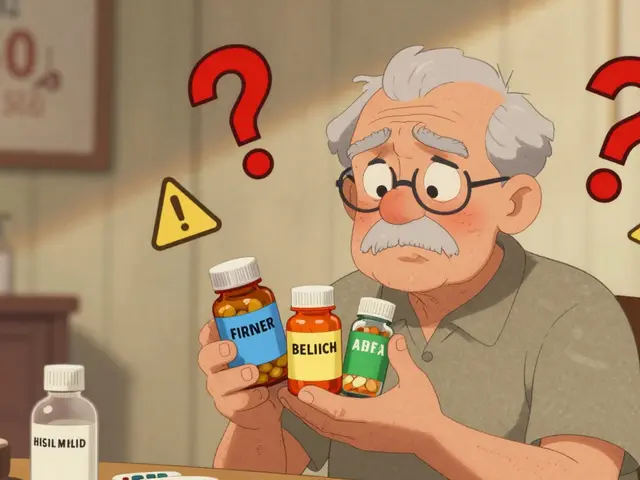
Store Inhalers Properly
When you store inhalers properly, how you keep your rescue or maintenance inhaler directly affects how well it works when you need it most. Also known as inhaler storage, this isn’t just about keeping it in a drawer—it’s about protecting the medicine inside from heat, moisture, and time. A puff that doesn’t deliver the full dose could mean the difference between breathing easy and ending up in the ER.
Most inhalers work best between 68°F and 77°F. Leave them in a hot car, and the propellant can weaken—your medicine might spray out weakly or not at all. Keep them in the bathroom? Humidity can clog the nozzle or make the powder clump. Even if the canister looks fine, the dose inside may have dropped by 20% or more after just a few months in the wrong spot. That’s not theory—it’s what manufacturers test for, and what the FDA warns about. medication potency, how strong and reliable the active ingredient remains over time, is the real issue here. You’re not just storing a plastic tube—you’re preserving life-saving medicine.
Some inhalers, like those with liquid medication or dry powder, have different rules. Albuterol inhalers? Keep them at room temperature, away from direct sunlight. Dry powder inhalers? Never rinse them with water—moisture ruins the powder. And don’t forget expiration dates. Just because the canister hasn’t leaked doesn’t mean the drug still works. inhaler expiration, the point after which the manufacturer can no longer guarantee full effectiveness matters more than you think. A 2022 study found that nearly 30% of expired inhalers delivered less than 80% of their labeled dose. That’s not a small drop—it’s a risk.
And then there’s the storage habits people think are smart but aren’t. Tucking your inhaler in your purse next to your phone? Heat builds up. Leaving it on the windowsill? Sunlight degrades the formula. Throwing it in the fridge? Cold can make the propellant too thick, and condensation when you take it out can cause clogs. The best place? A cool, dry cabinet—not the medicine cabinet, unless it’s away from the sink and shower. Keep it with your other daily meds, but not where steam or heat can reach it.
What you do with your inhaler after you’ve used it matters too. Wipe the mouthpiece weekly with a dry cloth. Don’t soak it. Don’t use alcohol. And always cap it after use. That simple habit keeps dust, saliva, and moisture out. If you notice a strange taste, weak spray, or if the counter doesn’t click like it used to—don’t guess. Replace it. Your lungs can’t afford to wait for a maybe-dose.
These aren’t just tips—they’re safety steps backed by pharmacy guidelines and real-world outcomes. People with asthma or COPD rely on these devices every day. When you store inhalers properly, you’re not being overly careful—you’re being smart. You’re making sure that when you need a full, fast-acting dose, the inhaler delivers it without fail.
Below, you’ll find real stories and facts from people who’ve learned the hard way what happens when inhalers aren’t stored right—and how to avoid those mistakes. From temperature extremes to expiration traps, these posts give you exactly what you need to keep your inhaler working, every time.
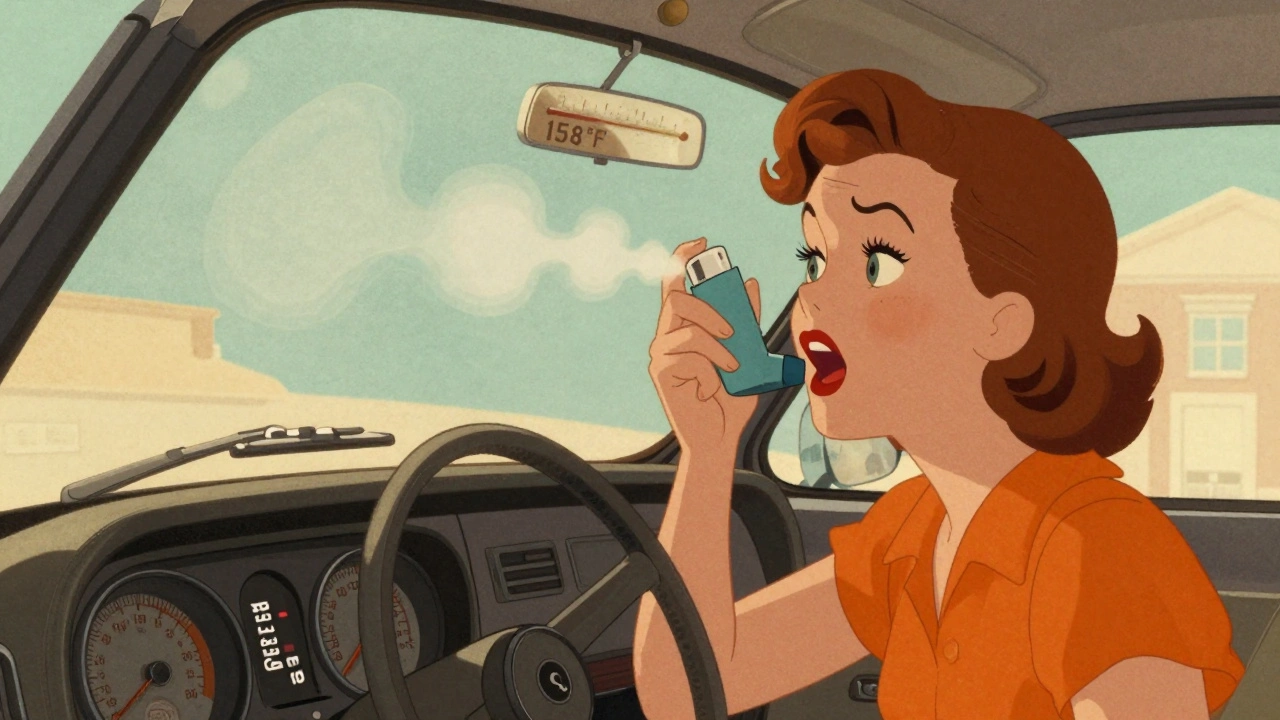
How to Store Inhalers and Nebulizer Medications Safely: Temperature, Humidity, and Common Mistakes
Learn how to store inhalers and nebulizer medications safely to ensure they work when you need them most. Avoid common mistakes, understand temperature and humidity limits, and protect your respiratory health.
Read MoreLatest Post
-
-
-

Zidovudine and How Patient Advocacy Changed HIV Treatment 31 October 2025
-

How Local Anesthesia Boosts Dental Treatment Success 29 September 2025
-