
Sudden Cardiac Death: Causes, Risks, and What You Can Do
When the heart suddenly stops beating properly, it’s called sudden cardiac death, a rapid, unexpected loss of heart function that often leads to death within minutes. It’s not the same as a heart attack, though the two can be linked. Sudden cardiac death usually happens because of a dangerous heart rhythm called arrhythmia, an irregular heartbeat that disrupts the heart’s pumping ability. This isn’t rare — over 350,000 people in the U.S. experience it outside hospitals each year, and most don’t survive without immediate help.
Most cases happen in people with known heart disease, a group of conditions affecting the heart’s structure or function, including prior heart attacks, enlarged hearts, or weakened heart muscle. But it can also strike people who seem perfectly healthy — especially those with undiagnosed genetic conditions like hypertrophic cardiomyopathy or long QT syndrome. Certain medications, especially those that affect heart rhythm, can raise the risk too. For example, some antibiotics or antidepressants can interfere with the heart’s electrical system, making arrhythmias more likely in vulnerable people. Even extreme stress, intense exercise, or electrolyte imbalances from diuretics or vomiting can trigger it in the wrong conditions.
What makes sudden cardiac death so dangerous is how fast it happens. People often collapse without warning. No chest pain. No nausea. Just gone. That’s why knowing the red flags matters — fainting during exercise, unexplained seizures, or a family history of early heart death should never be ignored. If someone collapses and isn’t breathing, every second counts. CPR and an AED can double or triple survival chances. Many people don’t know how to use an AED, but they’re designed to guide you through it — voice prompts, clear instructions, no guesswork. And if you have a history of heart problems, your doctor might recommend an implantable defibrillator to stop deadly rhythms before they kill.
The posts here don’t just talk about what sudden cardiac death is — they show you how drugs, dosing changes, and even expired meds can quietly influence heart health. You’ll find real stories about how switching generics affected heart rhythm, how antibiotics like Bactrim can spike INR and strain the heart, and why some medications should never be taken past their expiration date. You’ll learn how to track symptoms that might signal trouble, how to spot drug interactions that increase risk, and what questions to ask your pharmacist before taking a new pill. This isn’t theory. It’s what happens in real lives, and the information here could help you or someone you care about stay alive.
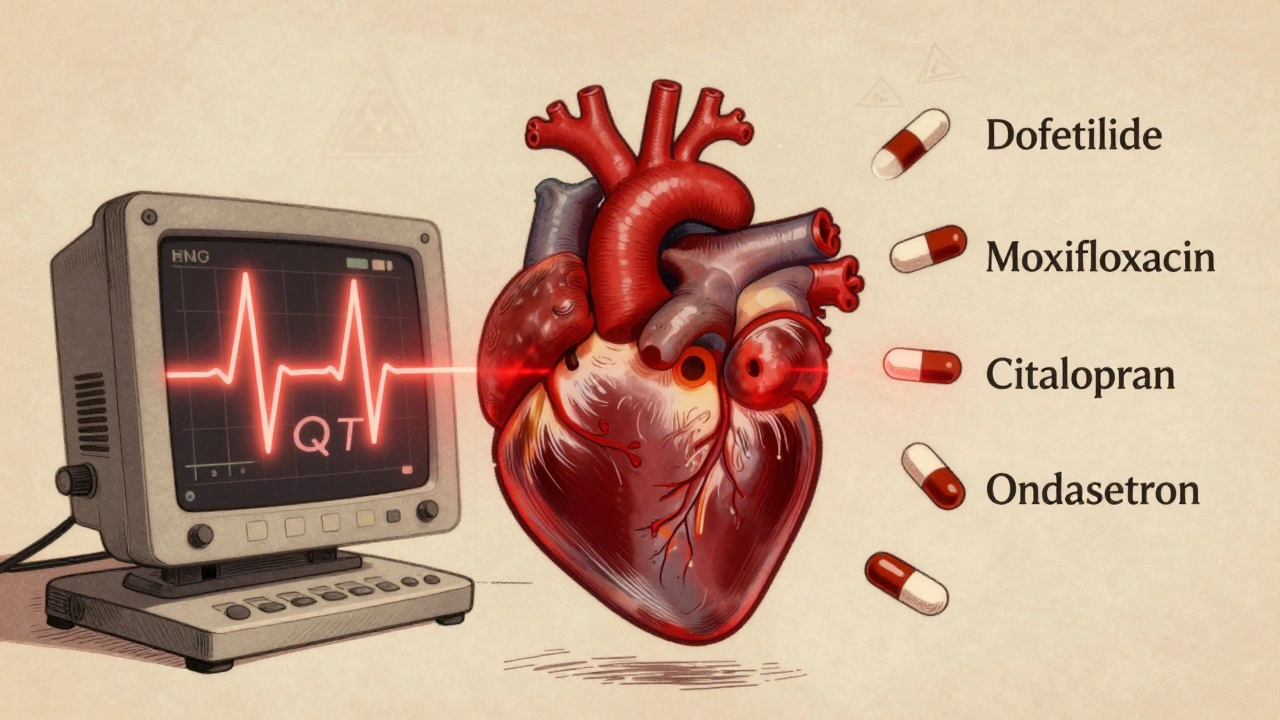
QT Prolongation and Sudden Cardiac Death from Medications: Key Risk Factors You Need to Know
QT prolongation from medications can lead to sudden cardiac death. Learn the key risk factors-including drug combos, electrolyte imbalances, and heart disease-that make this silent threat deadly-and how to prevent it.
Read MoreLatest Post
-
Antiviral Medications: Treatment Options for Viral Infections 18 December 2025
-
Feverfew and Anticoagulants: Understanding the Bleeding Risk 28 February 2026
-
Aspirin for Primary Prevention: Who Should Skip Daily Doses 23 January 2026
-
Buy Cheap Generic Lisinopril Online - 2025 Guide 14 October 2025
-

When Doctors Adjust Doses After Switching to Generic Medications 28 November 2025