Symptom Diary: Track Your Health to Get Better Care
When you're dealing with a chronic illness, new medication, or unexplained symptoms, a symptom diary, a personal record of physical and emotional changes over time. Also known as health log, it's not just a notebook—it's a tool that turns vague complaints into clear patterns your doctor can act on. Most people wait until their appointment to describe how they feel, but memory is unreliable. Did your headache start after lunch? Did your fatigue spike after switching pills? Without a diary, those details vanish.
A symptom diary, a personal record of physical and emotional changes over time. Also known as health log, it's not just a notebook—it's a tool that turns vague complaints into clear patterns your doctor can act on. Most people wait until their appointment to describe how they feel, but memory is unreliable. Did your headache start after lunch? Did your fatigue spike after switching pills? Without a diary, those details vanish.
It’s not about writing essays. Just note the day, time, what you felt, how bad it was (1 to 10), what you ate or took, and anything unusual—sleep, stress, activity. Over weeks, you might spot that your joint pain flares after dairy, or your dizziness matches your new blood pressure pill. That’s gold for your doctor. It’s why symptom diary entries show up in studies on diabetes, epilepsy, and even anxiety. One 2022 study found patients using daily logs had 30% fewer unnecessary tests because their patterns were already clear.
You don’t need an app. A paper notebook works. But if you use one, make sure it includes medication side effects, unwanted physical or mental reactions to drugs. Many people blame themselves for feeling off, but side effects aren’t weakness—they’re data. If you’re on warfarin, levothyroxine, or any NTI drug, even tiny changes matter. A diary helps catch them before they become emergencies.
It also helps with chronic condition management, ongoing care for long-term illnesses like hypertension, diabetes, or asthma. If you have high blood pressure, tracking symptoms like chest tightness or blurred vision alongside your readings tells your doctor if your meds are working—or if something’s wrong. Same for asthma: coughing at night? Wheezing after walking? That’s not normal. A diary turns "I feel bad" into "I had three nighttime attacks last week after taking X."
And it’s not just for patients. Pharmacists use these logs during counseling to spot drug interactions. Your doctor uses them to adjust doses. Insurance companies sometimes ask for them to approve special meds. This isn’t busywork. It’s your voice in a system that often moves too fast to listen.
Below, you’ll find real guides on how to track your health better—from understanding drug risks to knowing when to question a generic switch. These aren’t theory pieces. They’re tools built by people who’ve been in your chair. Use them. Write it down. Your next appointment will thank you.
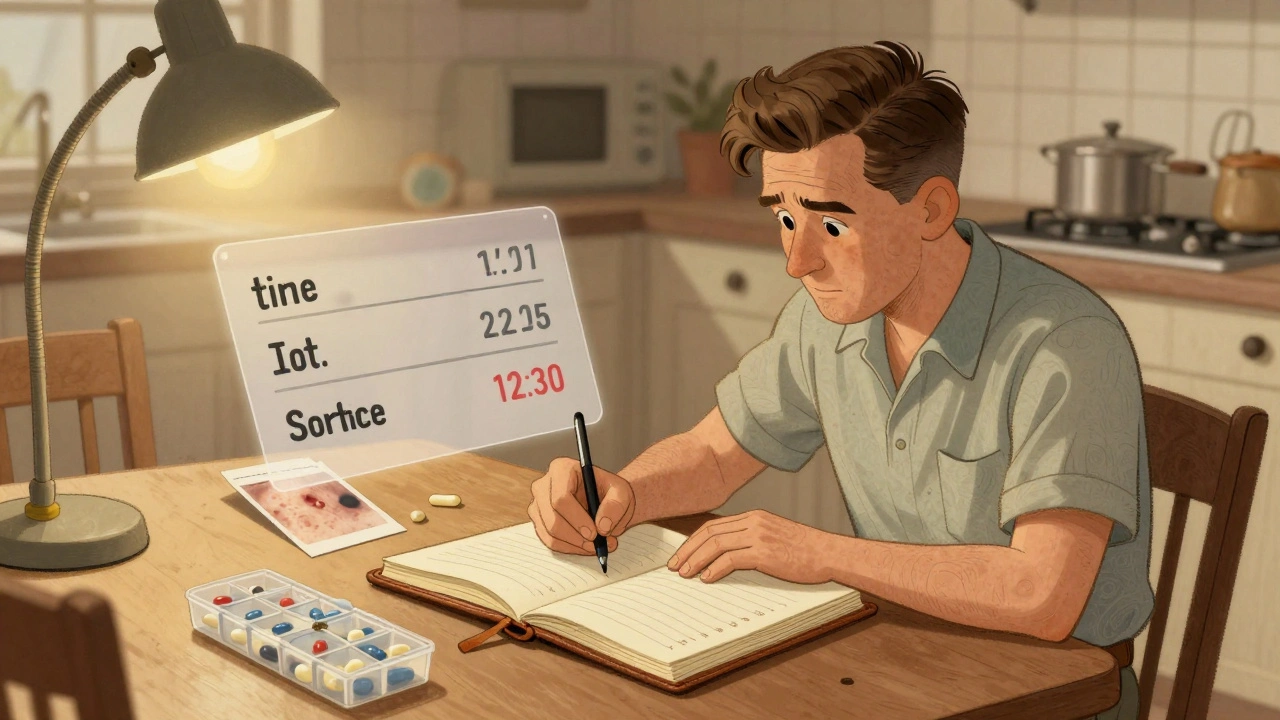
How to Keep a Symptom Diary for Suspected Drug Reactions
Learn how to track medication side effects with a symptom diary to help doctors identify drug reactions faster. Includes what to record, best tools, and red flags to watch for.
Read MoreLatest Post
-

-
Medexil vs Other Sildenafil Options: Detailed Comparison 7 October 2025
-

-

When Doctors Adjust Doses After Switching to Generic Medications 28 November 2025
-