Archive: 2025/11 - Page 2
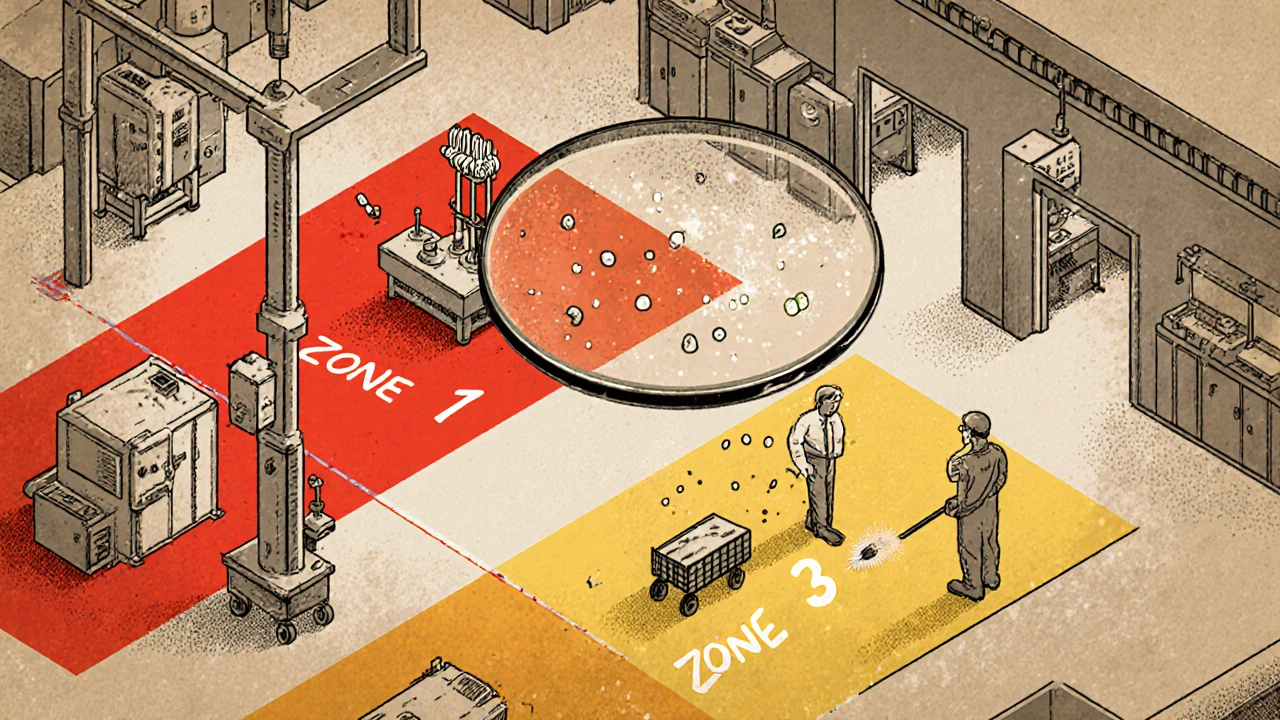
Environmental Monitoring: Testing Facilities for Contamination in Manufacturing
Environmental monitoring in manufacturing detects contamination in air, surfaces, and water before it affects products. Learn how zone-based testing, ATP swabs, and regulatory standards prevent recalls and ensure safety in pharma, food, and cosmetics.
Read More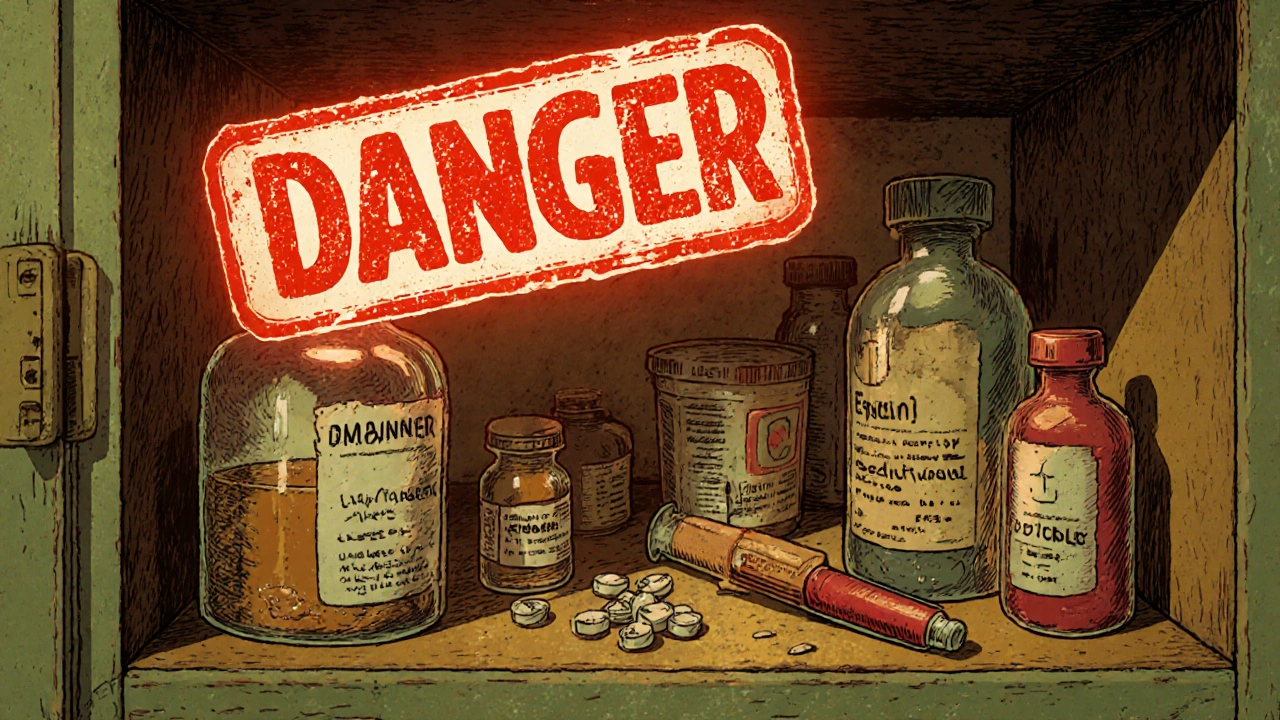
Medications You Should Never Use After the Expiration Date
Some medications lose potency after expiration, but others can become dangerous. Learn which drugs you should never use past their expiration date-including insulin, epinephrine, and liquid antibiotics-and how to store and dispose of them safely.
Read More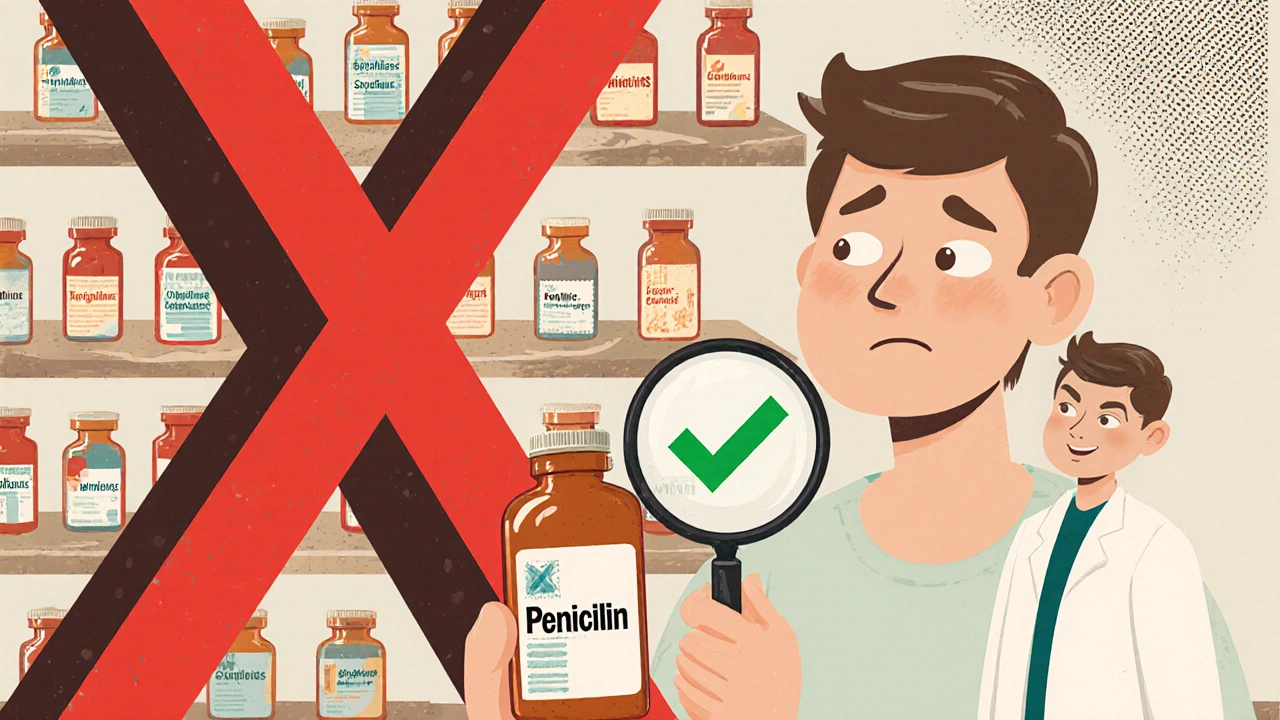
When to Avoid a Medication Family After a Severe Drug Reaction
Not every severe drug reaction means avoiding an entire medication family. Learn when cross-reactivity is real, when it's not, and how to avoid unnecessary treatment delays due to outdated allergy labels.
Read More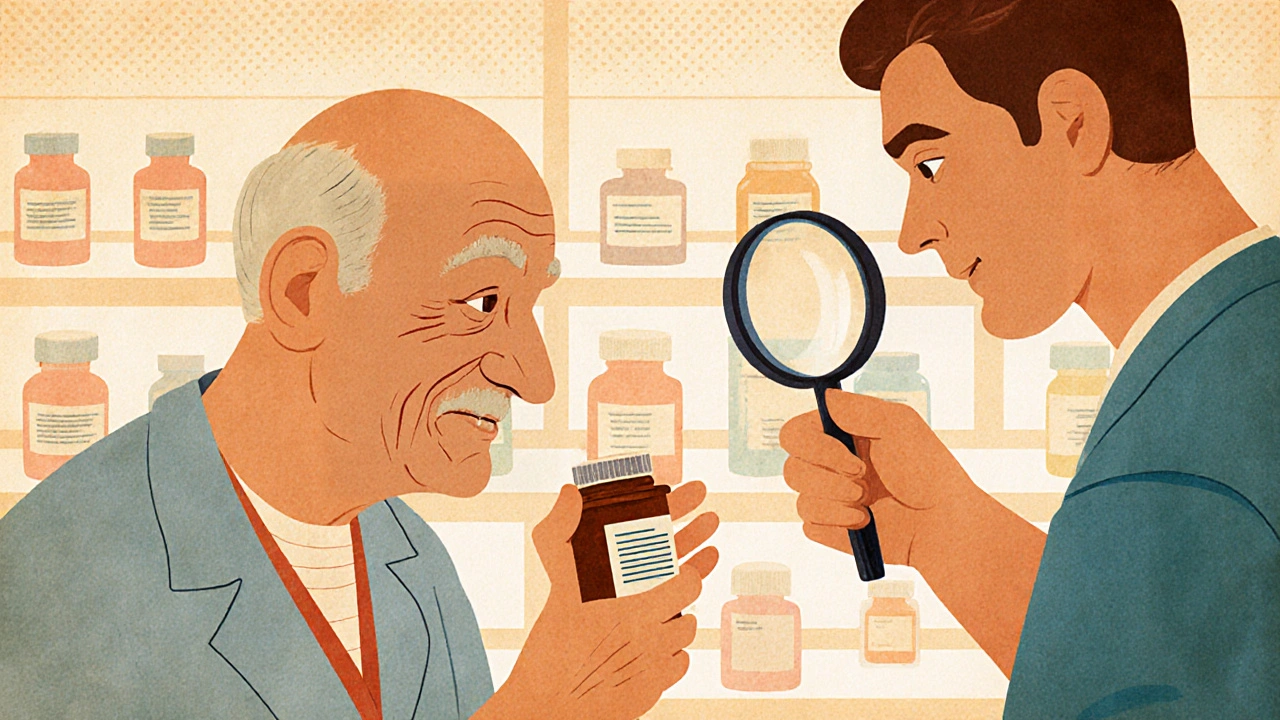
Questions to Ask About Your Prescription Label at the Pharmacy
Learn the key questions to ask about your prescription label at the pharmacy to avoid dangerous mistakes. From storage to side effects, knowing what to ask can save your life.
Read More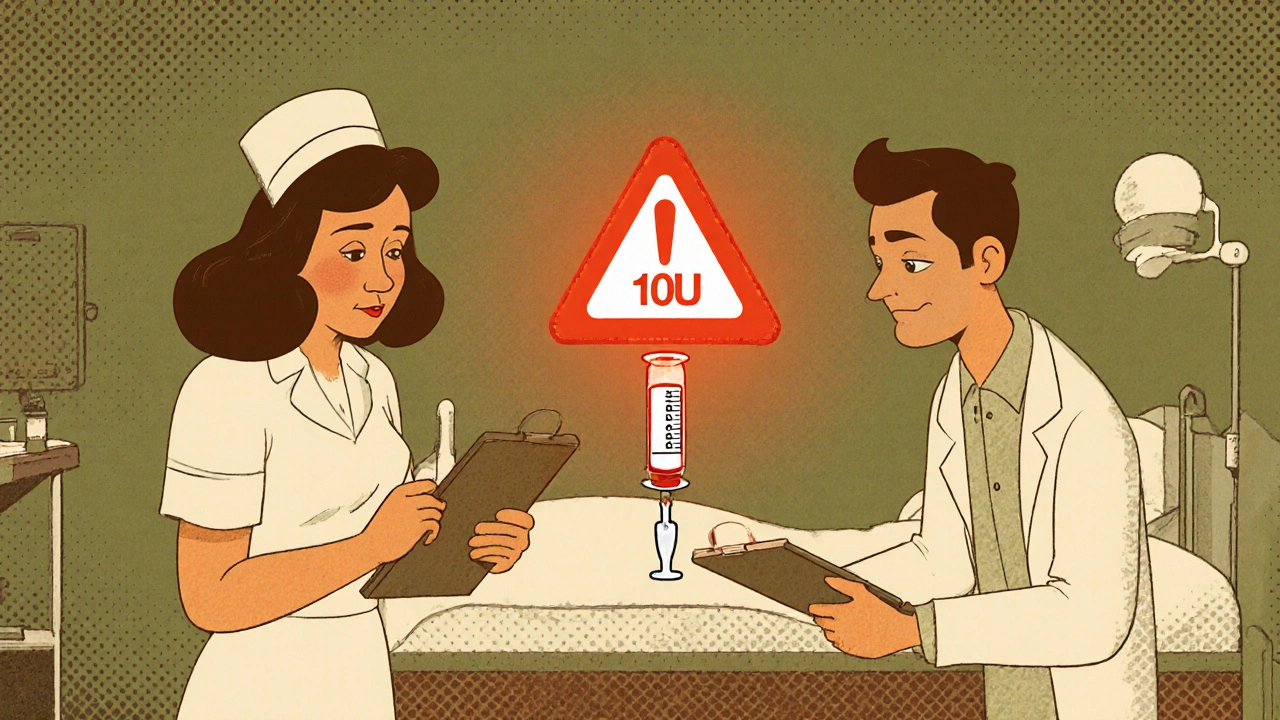
How to Verify Dose Changes and Avoid Miscommunication in Healthcare
Learn how to verify medication dose changes safely using proven protocols like independent double checks, SBAR communication, and targeted barcode scanning to prevent deadly errors in healthcare settings.
Read More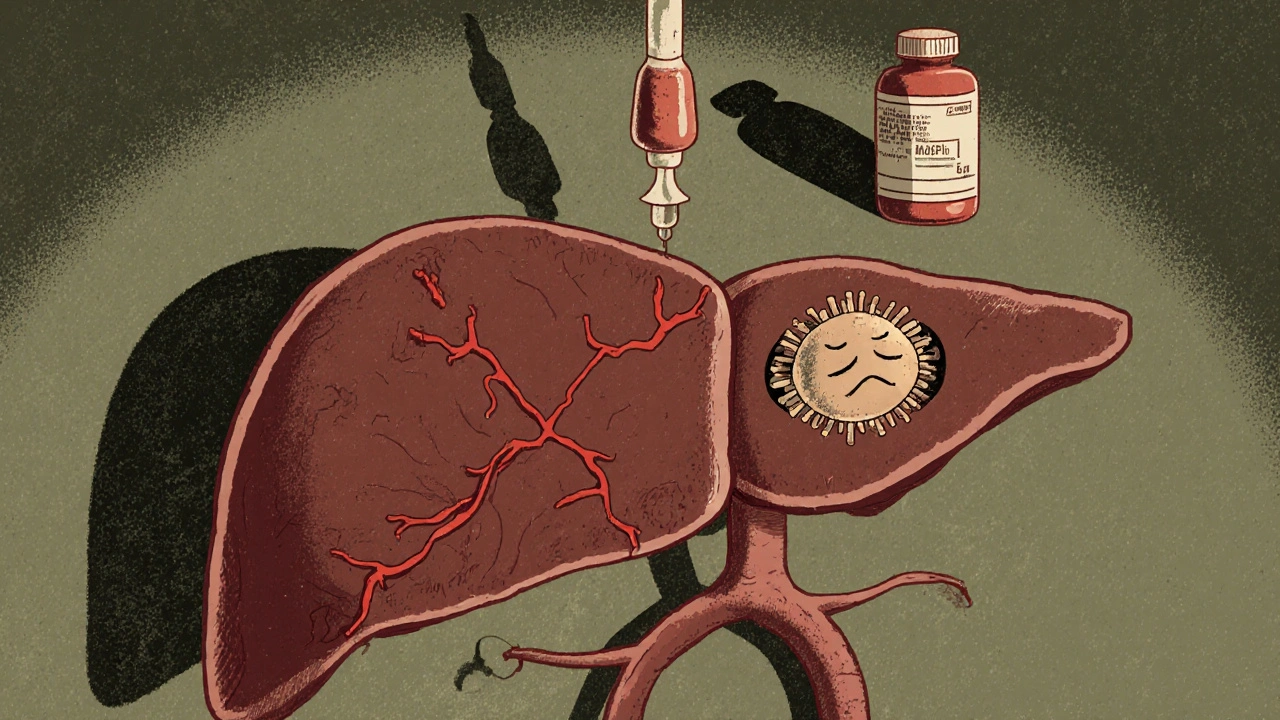
HBV Reactivation: How Biologics and Chemotherapy Trigger Liver Danger - And How to Stop It
HBV reactivation can cause liver failure in patients on chemotherapy or biologics. Screening for hepatitis B before treatment and using antiviral prophylaxis can prevent deadly complications - but too many patients still go unprotected.
Read More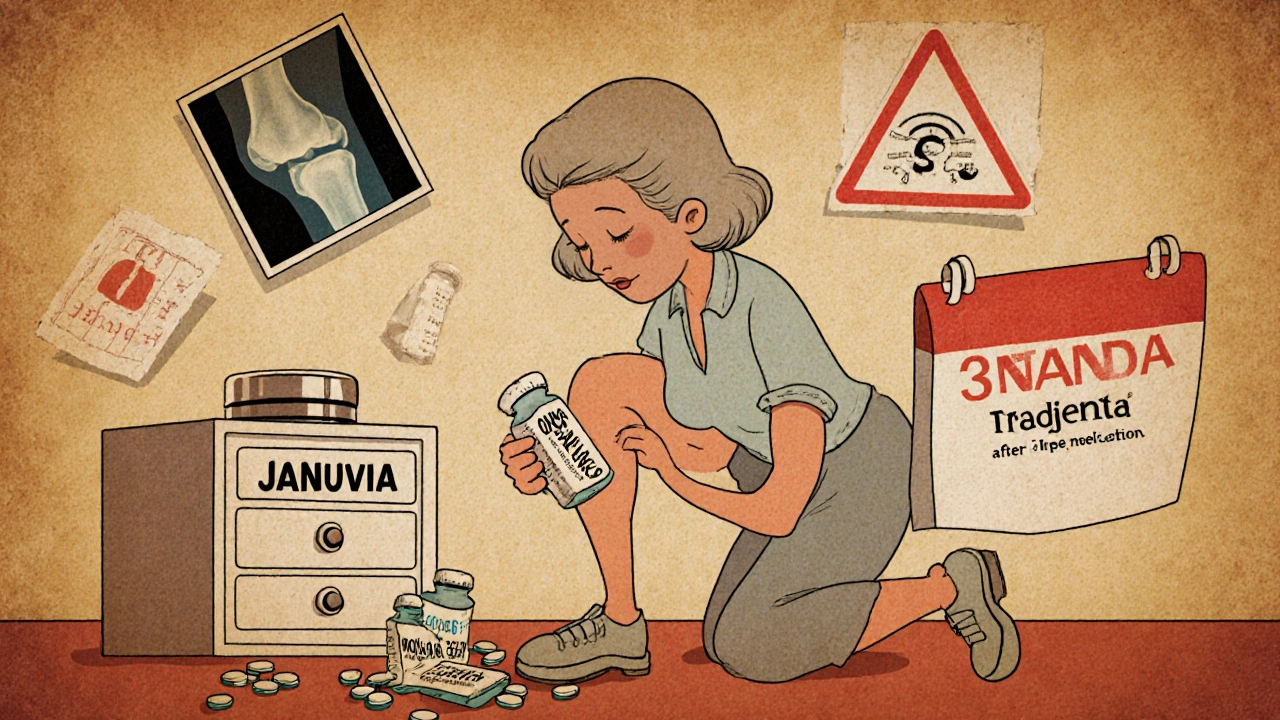
DPP-4 Inhibitors and Joint Pain: What You Need to Know
DPP-4 inhibitors help manage type 2 diabetes but can cause severe joint pain. Learn the signs, what the FDA says, how to recognize it, and what to do if you're affected.
Read More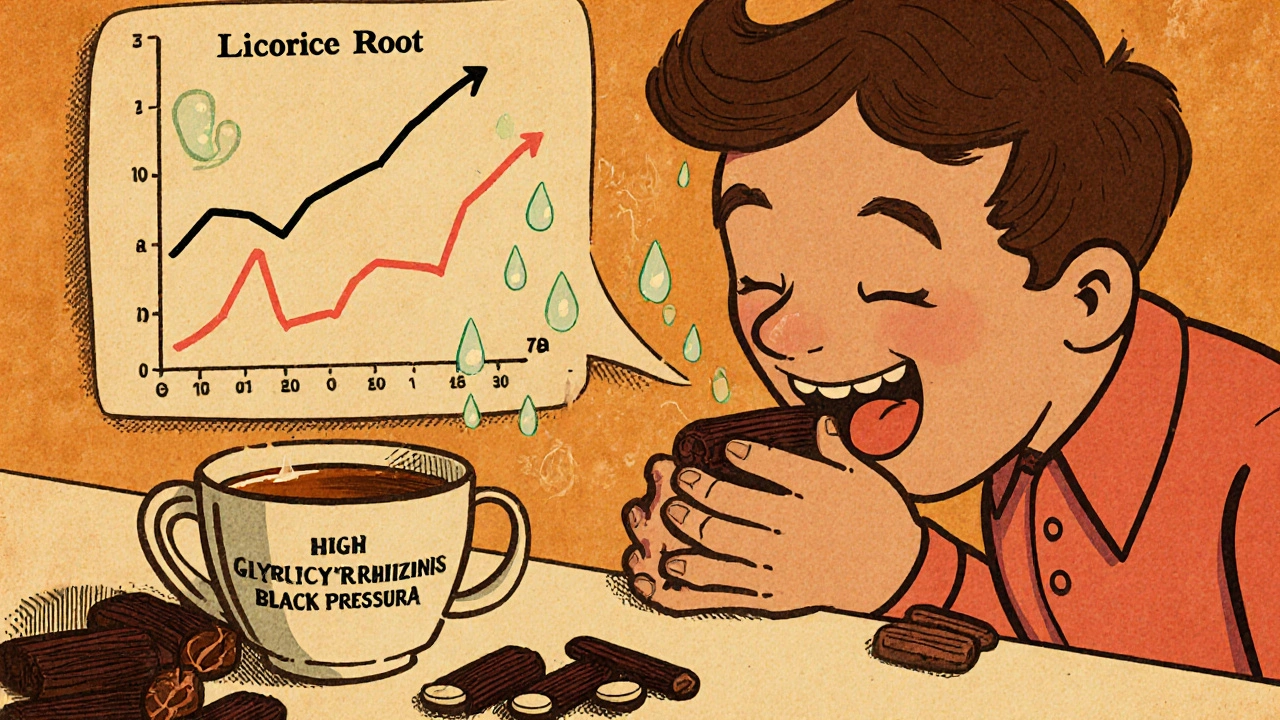
Licorice and Blood Pressure Medication Interactions: What You Need to Know
Licorice contains glycyrrhizin, which can raise blood pressure and interfere with medications like diuretics and ACE inhibitors. Even small daily amounts can cause dangerous drops in potassium and make treatments less effective.
Read More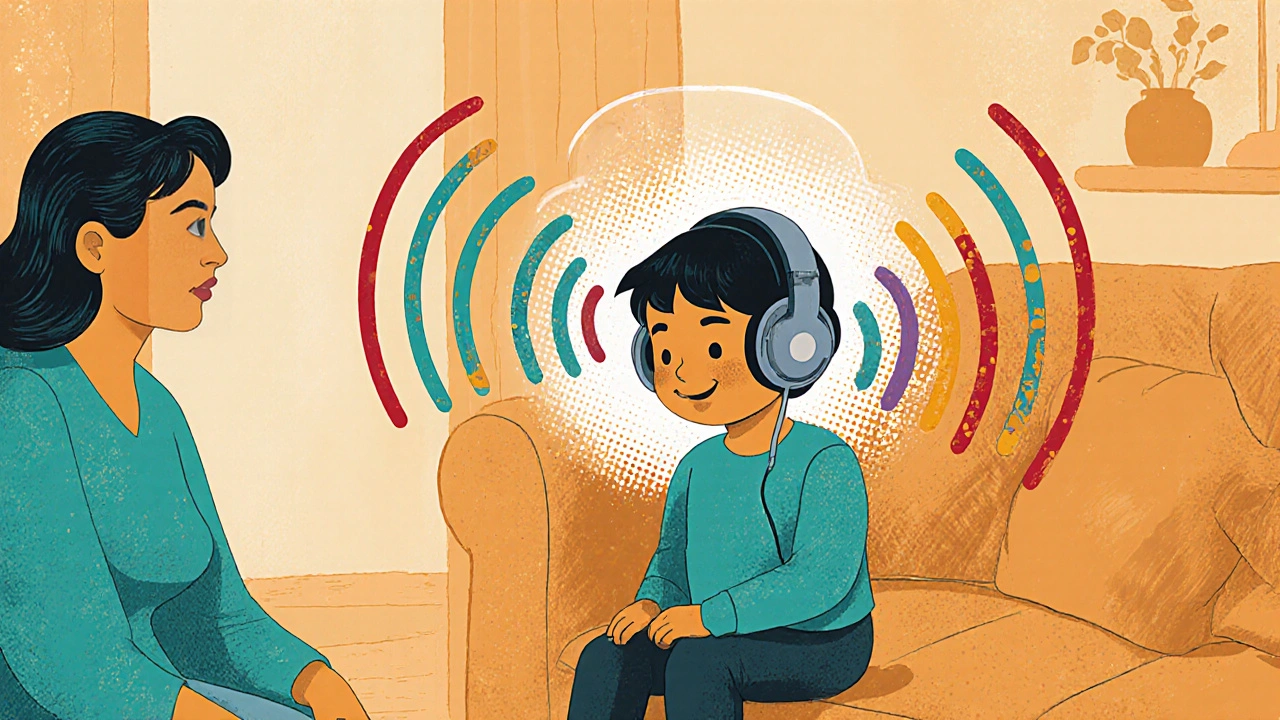
Conductive Hearing Loss: Causes, Diagnosis, and Surgical Solutions for Middle Ear Problems
Conductive hearing loss is often caused by middle ear issues like fluid, perforated eardrums, or fused bones. Learn how diagnosis works, when surgery is needed, and what modern procedures like stapedotomy and tympanoplasty can achieve.
Read MoreLatest Post
-

How Desonide is Changing the Landscape of Topical Steroid Treatments 20 February 2025
-
-

-

-