AIH: What It Is, Why It Matters, and How It Connects to Medication Safety
When your body’s own immune system turns against your liver, you’re dealing with autoimmune hepatitis, a chronic condition where the immune system mistakenly attacks liver cells, leading to inflammation and potential liver failure. Also known as AIH, this disease doesn’t come from viruses or alcohol—it comes from your body’s misdirected defenses. Left untreated, AIH can lead to cirrhosis, liver scarring, or even the need for a transplant. What makes it tricky is that symptoms often show up slowly—fatigue, joint pain, jaundice—and get mistaken for other issues. Many people don’t know they have it until a blood test or liver biopsy reveals the damage.
Managing AIH isn’t about curing it—it’s about controlling it. The main treatment is immunosuppressants, medications that calm the overactive immune response to protect the liver. Drugs like prednisone and azathioprine are standard, but they come with risks: higher chance of infections, bone loss, and dangerous interactions with other drugs. For example, if you’re on an immunosuppressant and take an antibiotic like trimethoprim-sulfamethoxazole, your body’s ability to fight off infections drops even further. Or if you’re on warfarin, certain meds can spike your INR and increase bleeding risk. Even something as simple as licorice can interfere with blood pressure meds, which many AIH patients take for side effects of steroids. These aren’t hypotheticals—they’re real, documented risks that show up in patient records and clinical guidelines.
AIH patients often need lifelong monitoring. That means regular liver enzyme tests, checking for drug side effects, and knowing when to switch treatments. Some people respond well to first-line drugs. Others need alternatives like mycophenolate or tacrolimus—drugs also used after organ transplants. The same medications that save lives in transplant patients can be lifesavers for AIH too. But they’re not interchangeable. Dose changes, even small ones when switching generics, can trigger flare-ups. That’s why knowing your exact meds, tracking symptoms, and asking your pharmacist about interactions isn’t optional—it’s critical.
What you’ll find below isn’t just a list of articles. It’s a practical toolkit for anyone managing AIH or caring for someone who does. From how to read medication guides that warn about liver damage, to understanding why certain drugs can’t be taken after expiration, to knowing when to push back on insurance denials for essential meds—every post here connects back to real-world safety. You’ll learn how to spot early signs of liver trouble, how to avoid deadly drug combos, and how to keep your treatment plan stable even when life gets messy. This isn’t theory. It’s what works when your liver is on the line.
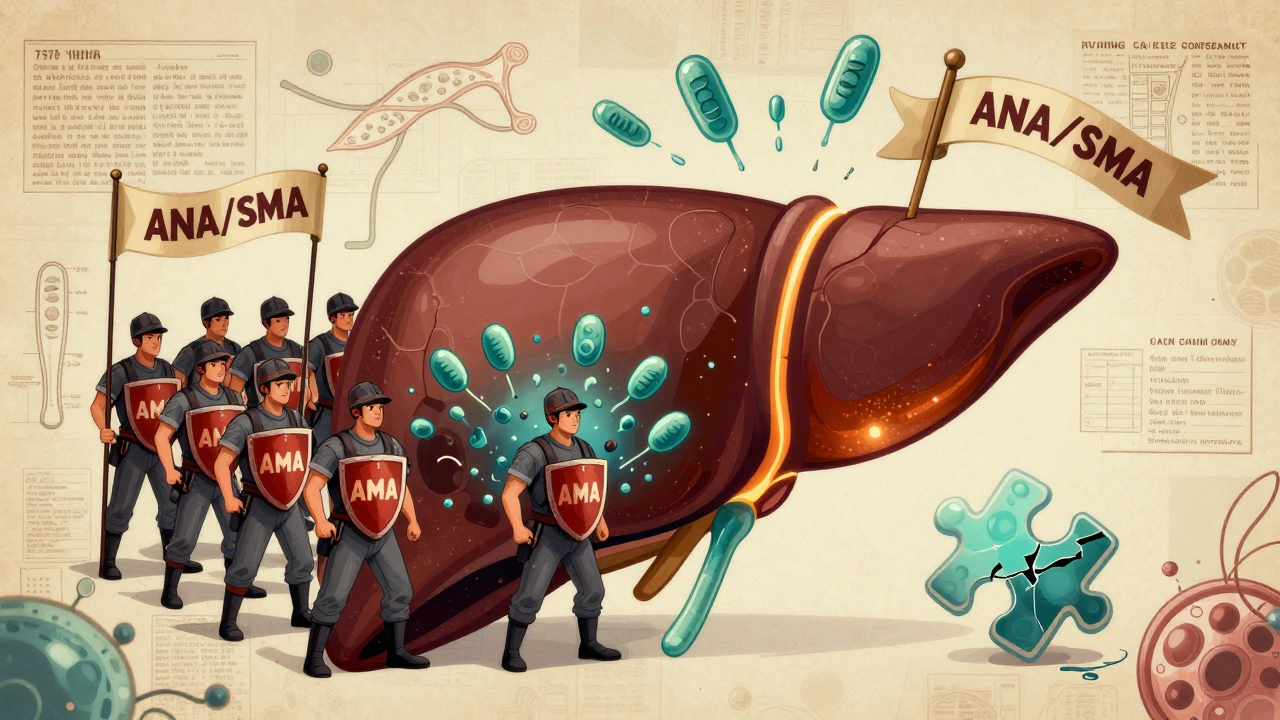
Autoimmune Overlap: Understanding PBC, PSC, and AIH Combined Features
Autoimmune overlap syndromes combine features of PBC, PSC, and AIH, requiring specialized diagnosis and dual treatment approaches. Learn how to spot the signs and why standard therapies often fall short.
Read MoreLatest Post
-

Hormone Therapy Combinations: Generic Choices and Considerations 17 January 2026
-

Naloxone Readiness Plan: How to Keep Patients Safe on Opioids 8 December 2025
-

-

How Atrophic Gastroenteritis Links to Chronic Fatigue Syndrome 22 September 2025
-