Dopaminergic Medications: What They Are, How They Work, and What You Need to Know
When your brain doesn’t make enough dopaminergic medications, drugs that increase dopamine activity in the brain to treat movement and mood disorders. Also known as dopamine agonists, they’re used when natural dopamine levels drop—like in Parkinson’s disease or certain types of depression. These aren’t just pills that make you feel better. They’re precise tools that target specific receptors in your brain, and getting the balance wrong can lead to serious side effects.
Dopamine isn’t just about pleasure—it’s critical for movement, focus, and emotional control. That’s why Parkinson’s disease, a neurological condition where dopamine-producing cells die off, leading to tremors and stiffness is one of the main reasons these drugs are prescribed. Medications like levodopa, pramipexole, and ropinirole either replace dopamine or trick your brain into thinking it has more. But here’s the catch: they don’t work the same for everyone. Some people get sudden drowsiness, others develop compulsive behaviors like gambling or overeating. That’s why tracking symptoms matters—something many of the posts here cover, from keeping a symptom diary to spotting drug interactions.
It’s not just Parkinson’s. Dopaminergic drugs are also used for restless legs syndrome, some forms of depression, and even in rare cases to help with severe fatigue. But they’re not harmless. They can interact with other meds—like antipsychotics or blood pressure drugs—and throw off your electrolytes or heart rhythm. That’s why you’ll find articles here about QT prolongation, a dangerous heart rhythm change that some medications can trigger, and how drug interactions, when two or more medicines clash and cause unexpected side effects can turn a helpful treatment into a risk. Even switching to a generic version of a dopaminergic drug can require a dose tweak, especially if you’re on a narrow therapeutic index medication.
What you’ll find in these posts isn’t theory—it’s real-world advice. From how to read your medication guide to knowing when to call your doctor after a dose change, the collection gives you tools to stay safe. You’ll learn why some people need to avoid certain combinations, how to spot early signs of side effects, and what questions to ask your pharmacist before you leave the counter. These aren’t just drug facts—they’re survival tips for anyone managing a chronic condition with dopaminergic medications.
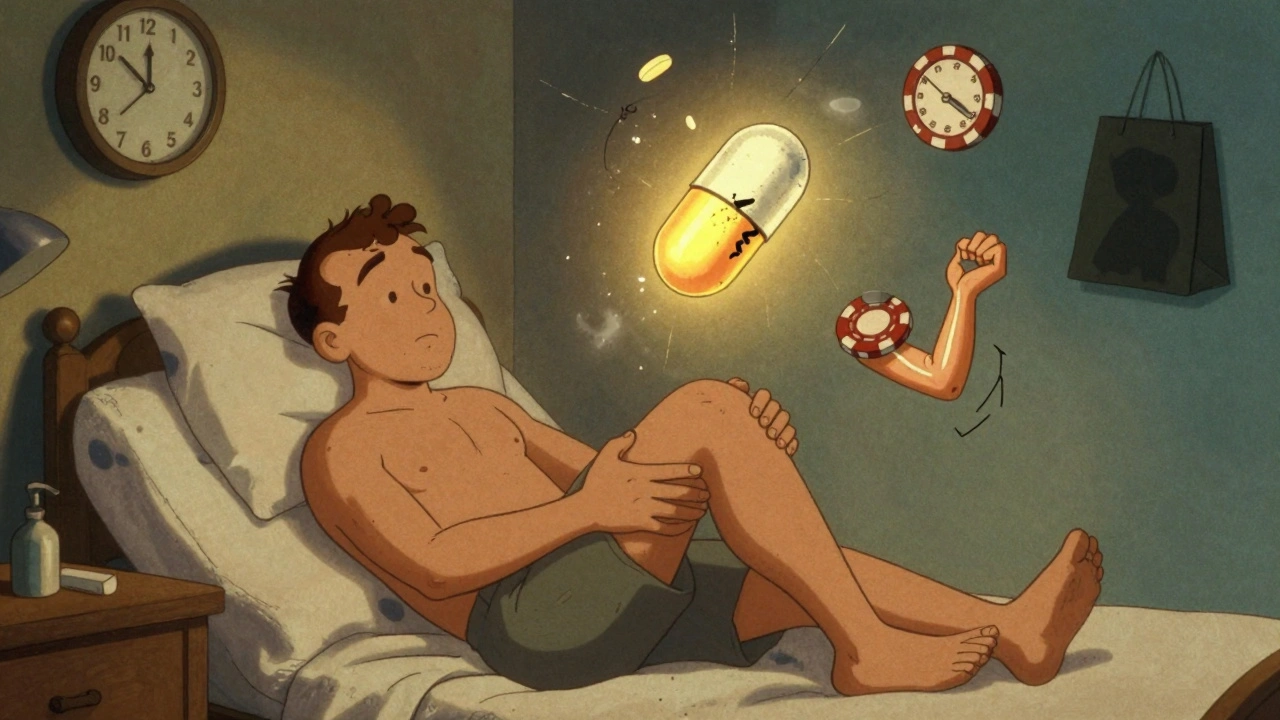
Restless Leg Syndrome: Why Dopaminergic Medications Are No Longer First-Line and What Works Better
Dopaminergic medications for restless leg syndrome are no longer first-line due to high risks of worsening symptoms and impulse control disorders. Learn why alpha-2-delta ligands like gabapentin enacarbil are now the recommended treatment and what lifestyle changes can help.
Read MoreLatest Post
-

Buy Online Cheap Generic Celexa - Safe Tips & Price Guide 28 September 2025
-

Indian Generic Manufacturers: The World's Pharmacy and Exports 1 December 2025
-

How Atrophic Gastroenteritis Links to Chronic Fatigue Syndrome 22 September 2025
-

-