Drug Instructions: What You Need to Know About Safe Use, Interactions, and Warnings
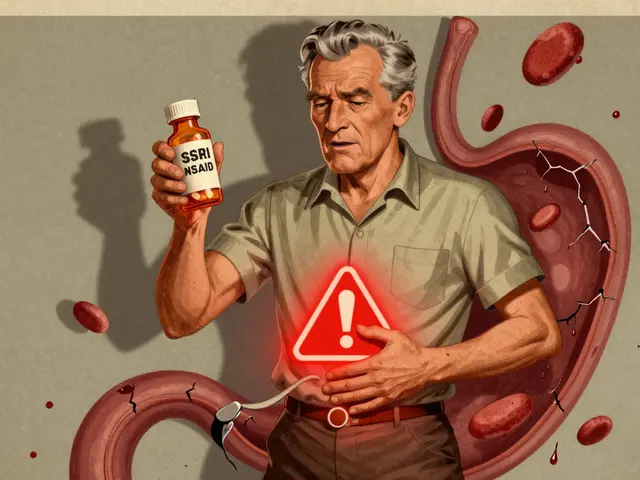
When you pick up a prescription, the drug instructions, the clear, written directions that come with your medication. Also known as prescribing information, they’re not just paperwork—they’re your safety net. But most people skim them like a receipt. That’s dangerous. A single misread dose, an ignored interaction, or a missed warning can turn a healing pill into a hospital visit. The drug instructions tell you when to take it, what to avoid, and when to call your doctor. Skip them, and you’re gambling with your health.
It’s not just about swallowing a pill. drug interactions, when one medication changes how another works in your body are silent killers. Licorice might make your blood pressure meds useless. Even a common herbal supplement can mess with your diabetes drug. Then there’s adverse drug reaction, an unexpected and harmful response to a medicine—like sudden joint pain from a diabetes pill, or liver damage from a biologic you didn’t know could react with an old hepatitis B infection. These aren’t rare. They happen every day because people don’t connect the dots between what they’re taking and what they’re eating, supplementing, or even drinking.
And dose errors? They’re not just for nurses. You’re the last line of defense. A tiny typo on a label, a misunderstood ‘once daily’ vs. ‘every 12 hours,’ or switching pharmacies without double-checking the strength—it all adds up. That’s why dose verification, the practice of confirming the right drug, right dose, right patient, right time isn’t just hospital policy. It’s your responsibility. If your pill looks different this month, ask why. If your new pharmacist says the dose changed, demand to see the original script. Don’t assume. Don’t guess. The system fails. You have to step in.
What you’ll find below isn’t theory. These are real stories from people who got hurt because they didn’t know what their drug instructions were hiding. One person avoided a deadly liver crash because they got screened before starting a new drug. Another stopped joint pain by recognizing it wasn’t just aging—it was the diabetes pill. Someone else saved thousands by learning how to buy generic meds safely online. And one patient finally got the right HIV treatment—not because of a doctor’s order, but because they fought for it. This isn’t about reading labels. It’s about understanding what those labels mean for your life.
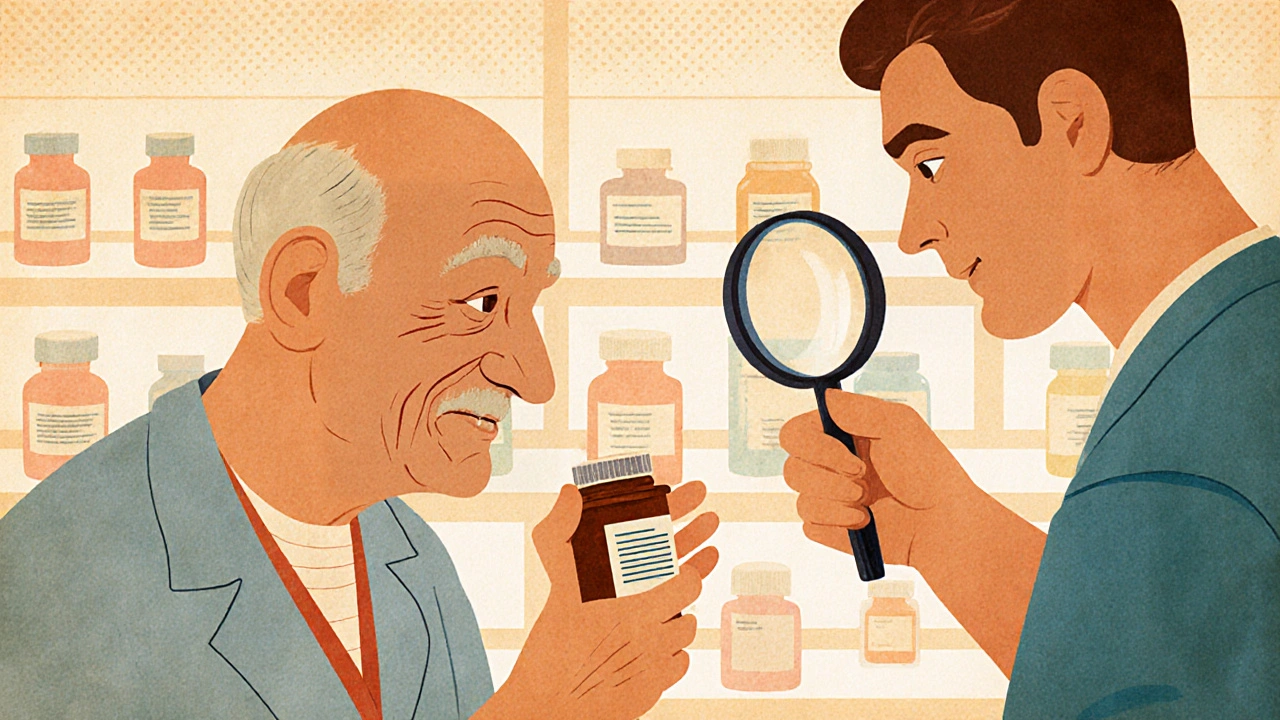
Questions to Ask About Your Prescription Label at the Pharmacy
Learn the key questions to ask about your prescription label at the pharmacy to avoid dangerous mistakes. From storage to side effects, knowing what to ask can save your life.
Read MoreLatest Post
-
-
-
-
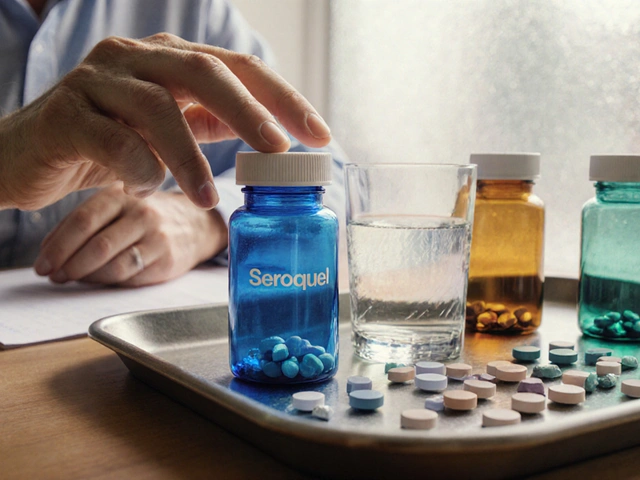
Seroquel vs Alternatives: Which Antipsychotic Fits You Best 10 October 2025
-