Drug Interactions: What You Need to Know Before Mixing Medications
When you take more than one medicine, your body doesn’t always know how to handle it. A drug interaction, a reaction between two or more medications that changes how they work in your body. Also known as medication interaction, it can make a drug stronger, weaker, or cause unexpected side effects—sometimes deadly ones. This isn’t just about pills you get from a doctor. It includes over-the-counter painkillers, herbal supplements, even grapefruit juice. You might think you’re being careful by following your prescription, but if you’re also taking turmeric for inflammation or St. John’s wort for mood, you could be setting off a hidden reaction.
Drug interactions happen because your liver and kidneys are trying to process everything at once. Some drugs slow down how fast your body breaks down others, letting them build up to dangerous levels. Others speed things up, making your meds useless. Take DPP-4 inhibitors, a class of diabetes drugs like Januvia that help control blood sugar. They’re generally safe, but if you’re also on a statin or a blood thinner, your risk of joint pain or bleeding goes up. Or look at zidovudine, an older HIV drug that can cause severe anemia. Combine it with certain antibiotics or antifungals, and your bone marrow struggles even more. Even something as simple as Tylenol, the brand name for acetaminophen, becomes risky if you’re drinking alcohol regularly or taking other meds that affect your liver.
It’s not just about what’s in your medicine cabinet. Supplements like fish oil, magnesium, or ginkgo biloba can interfere with blood thinners, blood pressure meds, and even antidepressants. And don’t assume your pharmacist caught it—many don’t have the full picture unless you tell them everything you’re taking. The FDA has warned about interactions with drugs like Gabapentin, used for nerve pain and seizures, and opioids, leading to dangerous breathing problems. These aren’t rare cases. They happen every day, often because people don’t know to ask.
You don’t need to be a scientist to avoid these risks. Start by keeping a simple list: every pill, patch, capsule, and herbal drop you take, plus the dose and why you take it. Bring that list to every doctor visit—even if you think it’s obvious. Ask: "Could this mix with anything else I’m on?" If you’re switching pharmacies, make sure your new one has your full history. And if you start feeling weird after adding something new—dizziness, nausea, unusual fatigue, or a rash—stop and call your provider. These aren’t side effects you should ignore. They’re warning signs.
Below, you’ll find real-world guides on how specific drugs behave when mixed, what to watch for, and how to protect yourself. Whether you’re on diabetes meds, HIV treatment, pain relievers, or supplements, there’s something here that applies to you. No fluff. Just what you need to know before the next pill goes in your mouth.
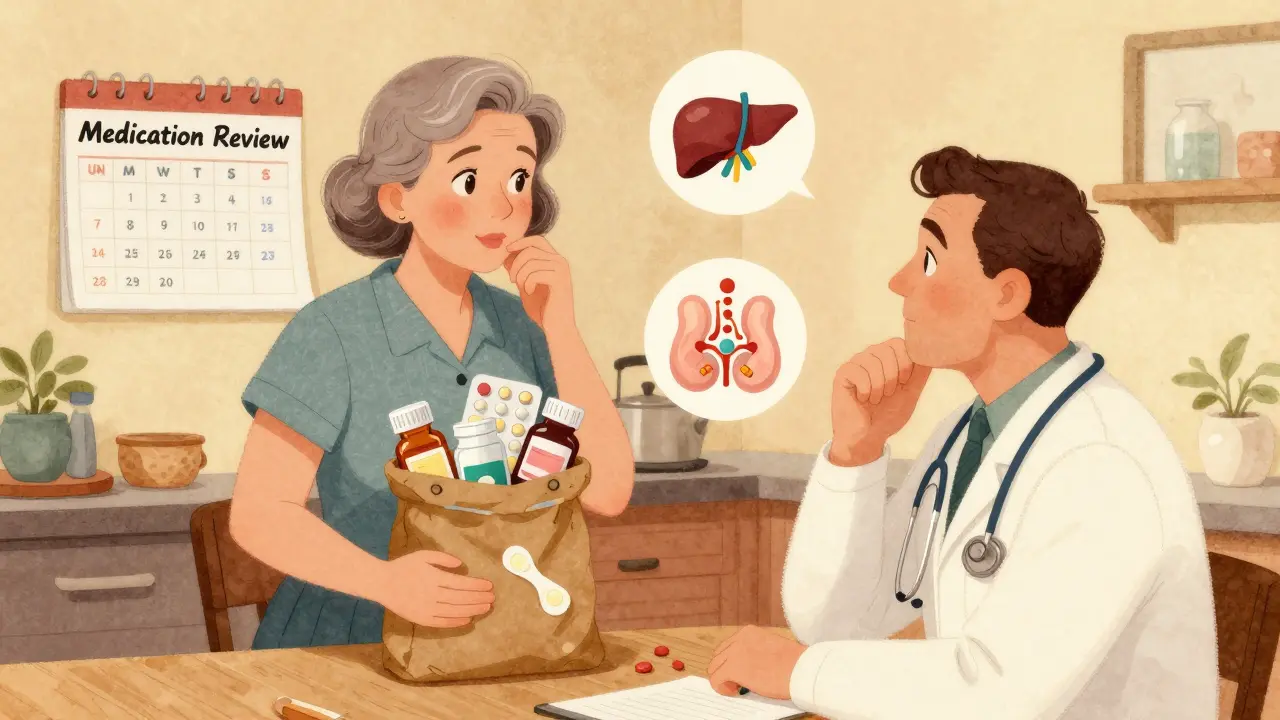
Post-Menopausal Women and Medication Changes: Safety Considerations
Post-menopausal women face unique medication risks due to hormonal shifts, slower metabolism, and polypharmacy. Learn how hormone therapy, common drugs, and deprescribing impact safety-and what steps to take now.
Read More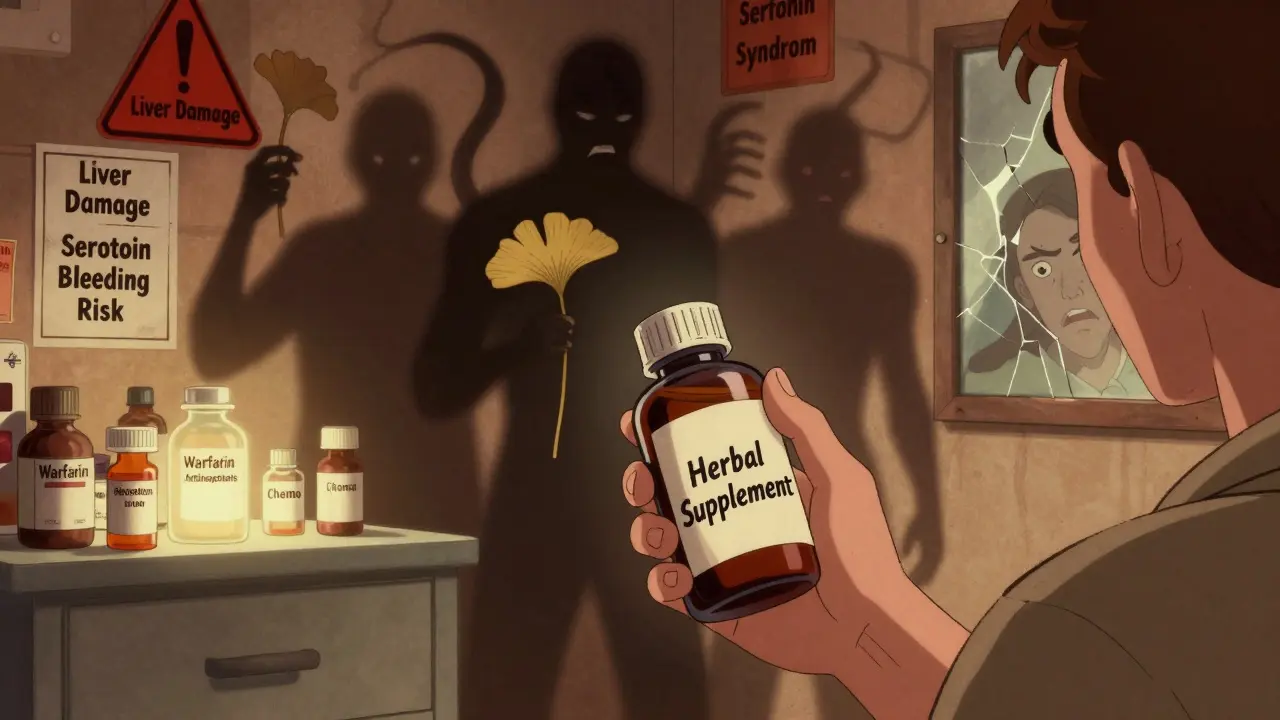
Risks Associated with Any Medication or Dietary Supplement
Dietary supplements and medications both carry serious risks, including dangerous interactions, overdose, and life-threatening side effects. Learn how to protect yourself from hidden dangers and why 'natural' doesn't mean safe.
Read More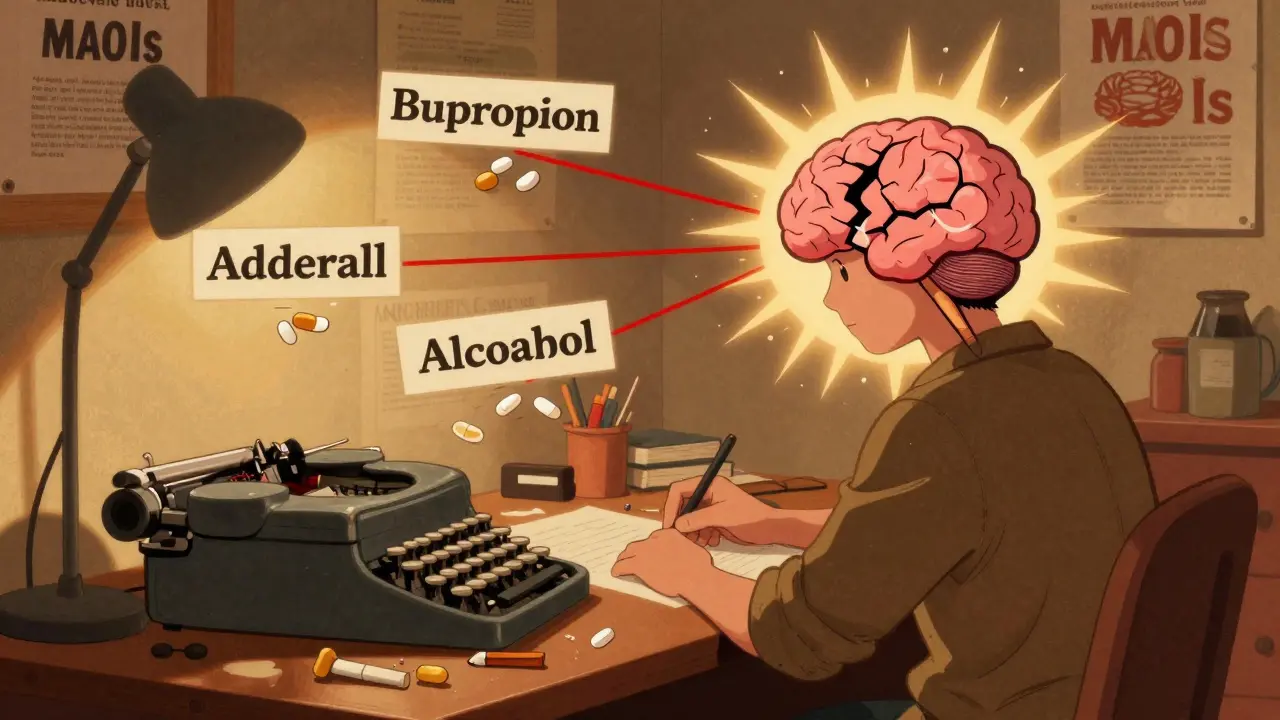
Smoking Cessation Medications: Bupropion and Drug Interactions You Must Know
Bupropion (Zyban) is a proven smoking cessation aid that works by targeting brain chemicals linked to nicotine cravings. Learn how it works, its key drug interactions, side effects, and how it compares to other quit aids.
Read More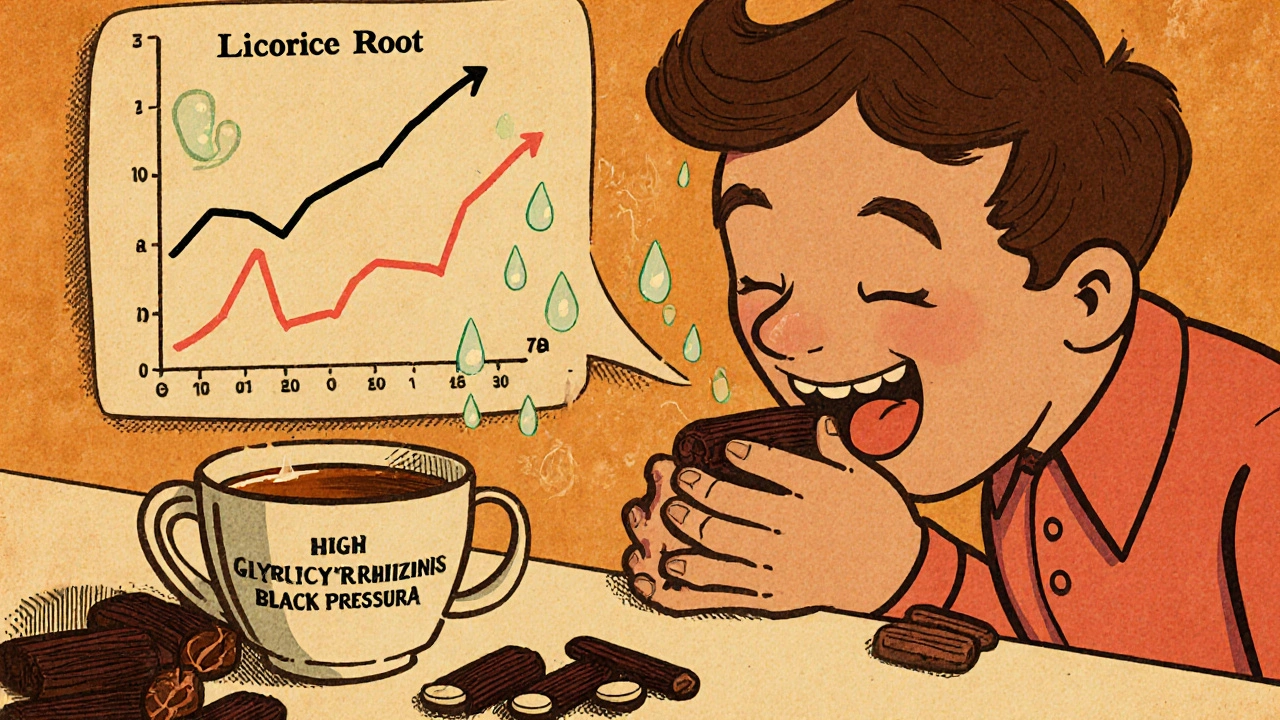
Licorice and Blood Pressure Medication Interactions: What You Need to Know
Licorice contains glycyrrhizin, which can raise blood pressure and interfere with medications like diuretics and ACE inhibitors. Even small daily amounts can cause dangerous drops in potassium and make treatments less effective.
Read MoreLatest Post
-

-
The importance of self-care during sickness 2 August 2023
-

-
Valacyclovir Overdose: Symptoms and What to Do 2 June 2023
-