
Drug Side Effects: What They Are, Why They Happen, and How to Stay Safe
When you take a medication, your body doesn’t just react to what it needs—it reacts to everything else in the pill too. Drug side effects, unintended physical or mental reactions to a medication that aren’t the intended therapeutic outcome. Also known as adverse drug reactions, these can be as simple as a dry mouth or as serious as liver damage. They’re not rare mistakes—they’re built into how drugs work. Even common pills like ibuprofen or metformin can trigger reactions you didn’t sign up for. The problem isn’t always the drug itself—it’s how it interacts with your body, your other meds, your diet, or even your genetics.
Drug interactions, when one medication changes how another behaves in your body. Also known as medication interactions, they’re behind many hospital visits. Take licorice with blood pressure pills—suddenly your potassium drops and the meds stop working. Or mix certain diabetes drugs with alcohol and risk low blood sugar you can’t feel coming. And it’s not just pills. Supplements, herbs, even grapefruit juice can turn a safe dose into a dangerous one. Medication safety, the practice of reducing preventable harm from drugs through awareness, communication, and verification isn’t optional—it’s your daily responsibility.
Some side effects show up fast—rash, dizziness, nausea. Others creep in over months: joint pain from diabetes drugs, liver stress from cholesterol meds, or mood changes from antidepressants. The FDA has flagged dozens of drugs for rare but severe reactions, yet most patients never hear about them until it’s too late. That’s because side effects aren’t listed in big bold letters on the bottle—they’re buried in tiny print, or worse, ignored by doctors who assume you’ll read the guide. But you shouldn’t have to. You deserve to know what’s in your body and what it might do.
What you’ll find here isn’t theory. It’s real cases: transplant patients on immunosuppressants who didn’t know their kidney function was dropping, diabetics with joint pain blamed on aging when it was their DPP-4 inhibitor, people who took expired epinephrine and almost died because they didn’t know it loses potency. These aren’t outliers—they’re preventable. The posts below show you how to spot red flags, ask the right questions at the pharmacy, and avoid the traps most people walk into blindly. Whether you’re managing a chronic condition, just started a new prescription, or helping a loved one navigate meds, this isn’t about fear—it’s about control. You don’t need to guess. You just need to know what to look for.
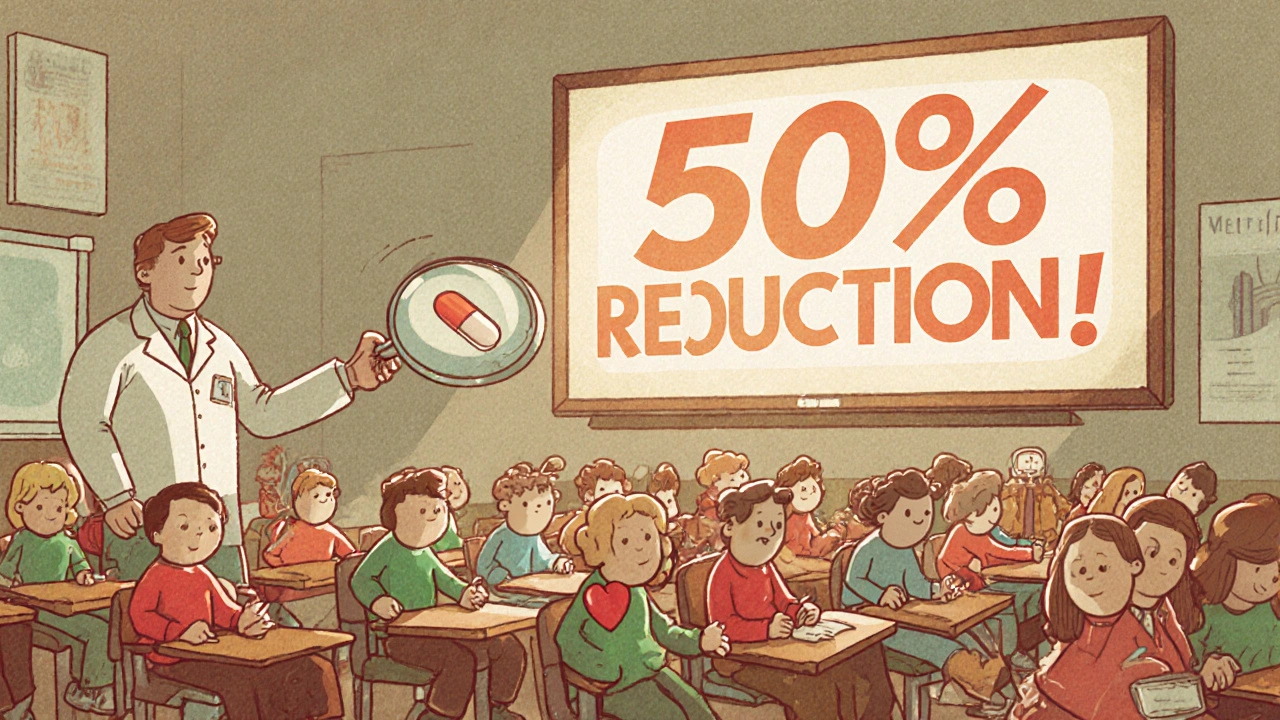
Absolute Risk vs Relative Risk in Drug Side Effects: How to Interpret the Numbers
Learn how to read drug risk numbers correctly by understanding the difference between absolute and relative risk. Stop being misled by pharmaceutical ads and make smarter decisions about your health.
Read MoreLatest Post
-

-
-
-
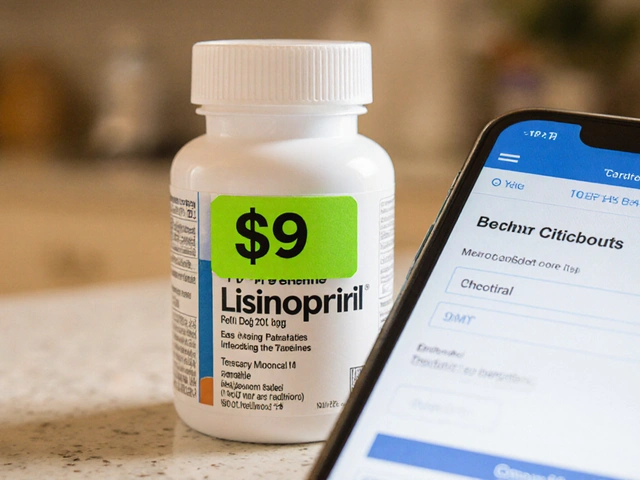
Buy Cheap Generic Lisinopril Online - 2025 Guide 14 October 2025
-
Buy Online Cheap Generic Celexa - Safe Tips & Price Guide 28 September 2025