Generic Medicine Manufacturers: Who Makes Your Cheap Pills and Why It Matters
When you pick up a generic medicine, a non-brand version of a drug that contains the same active ingredient as the name-brand version. Also known as generic drugs, it is often cheaper, just as effective, and regulated by the same agencies as brand-name pills. But who actually makes them? Behind every bottle of generic lisinopril or metformin is a generic medicine manufacturer, a company that produces branded or unbranded versions of medications under strict regulatory oversight. These aren’t just small labs—they’re global factories in India, China, the U.S., and Eastern Europe. Some are trusted by major pharmacies. Others have been shut down for falsifying records or letting contamination slip through.
The quality of your medication doesn’t just depend on the active ingredient—it depends on the drug manufacturing, the process of producing pharmaceuticals under controlled conditions to meet safety and potency standards. A pill made in a clean, FDA-inspected facility behaves the same as the brand name. But if the factory skips stability tests, uses cheap fillers, or doesn’t control humidity during production, you could get a drug that doesn’t dissolve right, loses potency, or even causes side effects. That’s why switching from one generic to another can sometimes cause problems, especially with NTI drugs, narrow therapeutic index drugs where small changes in blood levels can lead to serious harm. Think warfarin, levothyroxine, or phenytoin. These aren’t like ibuprofen. A 5% difference in absorption might mean a stroke or a seizure.
It’s not about avoiding generics. It’s about knowing where they come from and when to ask questions. Some manufacturers supply the same pills to CVS, Walmart, and Medicare Part D plans. Others make private-label drugs no one talks about. The FDA inspects them—but inspections aren’t random, and not every plant gets checked every year. If you’ve ever had a sudden change in how a generic drug works after a refill, you’re not imagining it. Dose adjustments, unexpected side effects, or inconsistent relief can point back to the manufacturer, not your body.
Below, you’ll find real stories and guides from people who’ve navigated this system. You’ll learn how to spot unsafe generics, when to push back on insurance denials, why some combination pills are harder to find, and how to check if your drug came from a plant with a history of violations. You’ll also see how patient advocacy and regulatory gaps shape what ends up in your medicine cabinet. This isn’t theory. It’s what happens when cost cuts meet your health.
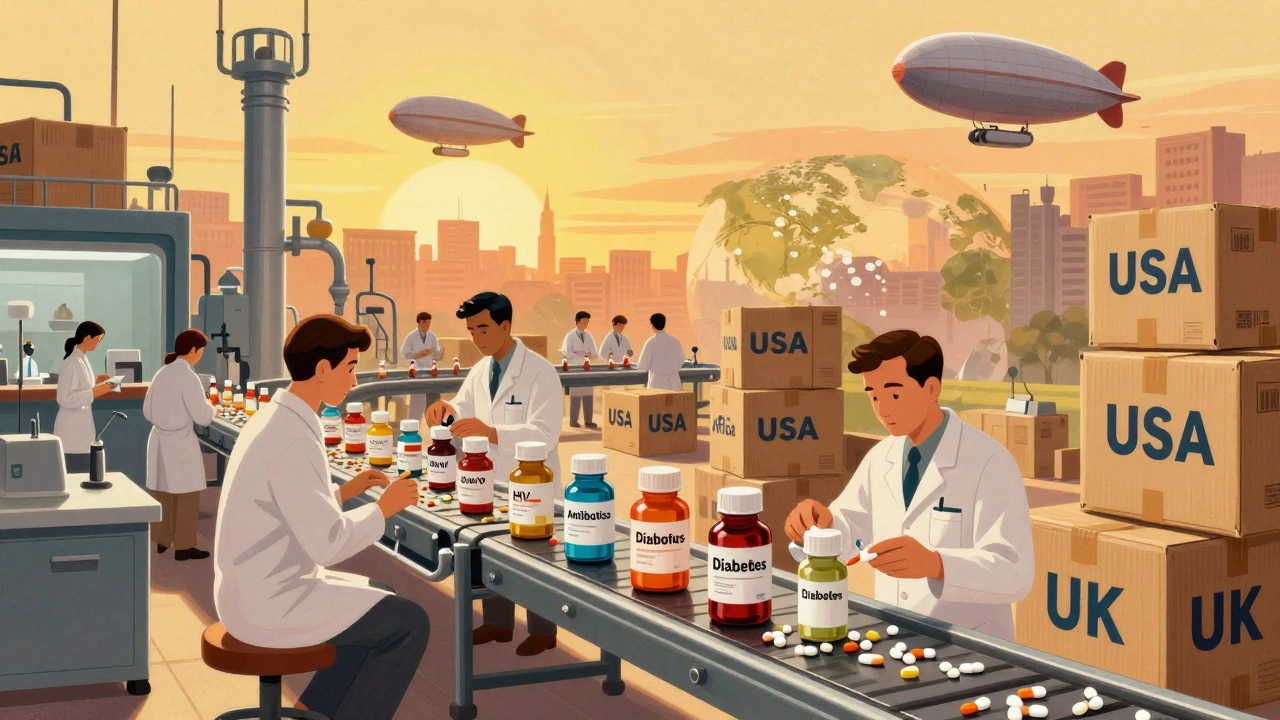
Indian Generic Manufacturers: The World's Pharmacy and Exports
India produces 20% of the world's generic medicines and over 60% of its vaccines. Learn how low-cost, high-quality manufacturing made it the global pharmacy - and what's next for its billion-dollar industry.
Read MoreLatest Post
-
-
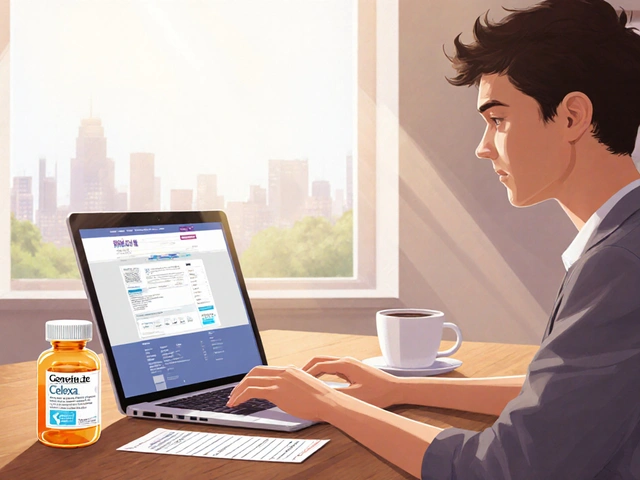
Buy Online Cheap Generic Celexa - Safe Tips & Price Guide 28 September 2025
-

-
-