
Liver Donor: What You Need to Know About Donation, Risks, and Recovery
When someone needs a liver donor, a person who gives part of their healthy liver to someone with end-stage liver disease. This is often a living donor, not just someone who has passed away. The liver is unique—it can regrow. That’s why a healthy person can safely give up to 60% of their liver, and both the donor’s and recipient’s livers will regenerate over weeks. It’s not a simple decision, but for many families, it’s the only chance at life.
Not everyone can be a liver donor, a healthy adult who volunteers to donate part of their liver. Hospitals run strict checks: blood type match, body weight, no history of liver disease, alcohol abuse, or uncontrolled diabetes. Mental health matters too—you can’t be pressured into it. The process takes months. You’ll meet with surgeons, social workers, and psychiatrists. You’ll get blood tests, CT scans, and sometimes a liver biopsy. It’s not just about being physically fit—it’s about understanding what you’re signing up for.
Being a liver donor, someone who undergoes major surgery to help another person survive means facing real risks. About 1 in 5 donors have complications—bleeding, bile leaks, infections, or pain that lasts months. Rarely, donors die. Recovery takes 6 to 8 weeks to return to light work, and 3 to 6 months to feel fully back to normal. You won’t be able to lift heavy things or do intense exercise for months. Insurance covers the surgery, but not lost wages, childcare, or travel. Most donors say it was worth it, but many also say they weren’t fully prepared for how hard recovery would be.
There’s also the emotional side. You might feel guilty if the recipient doesn’t recover. Or overwhelmed if they get better faster than you do. Some donors report feeling like they’ve lost part of themselves—even if their liver grows back. Support groups exist, but they’re not always easy to find. And if you change your mind? You can back out at any point before surgery. No one will judge you. That’s part of the process too.
The posts below cover real stories and medical facts you won’t hear in a hospital brochure. You’ll find details on how liver donor evaluations work, what medications donors must avoid before surgery, how transplant recipients manage immunosuppressants like tacrolimus, and why some people face unexpected drug interactions after donation. There’s also info on how insurance handles donor-related care, what to expect during recovery, and how to spot warning signs after surgery. These aren’t abstract medical summaries—they’re practical, real-world guides from people who’ve been through it.
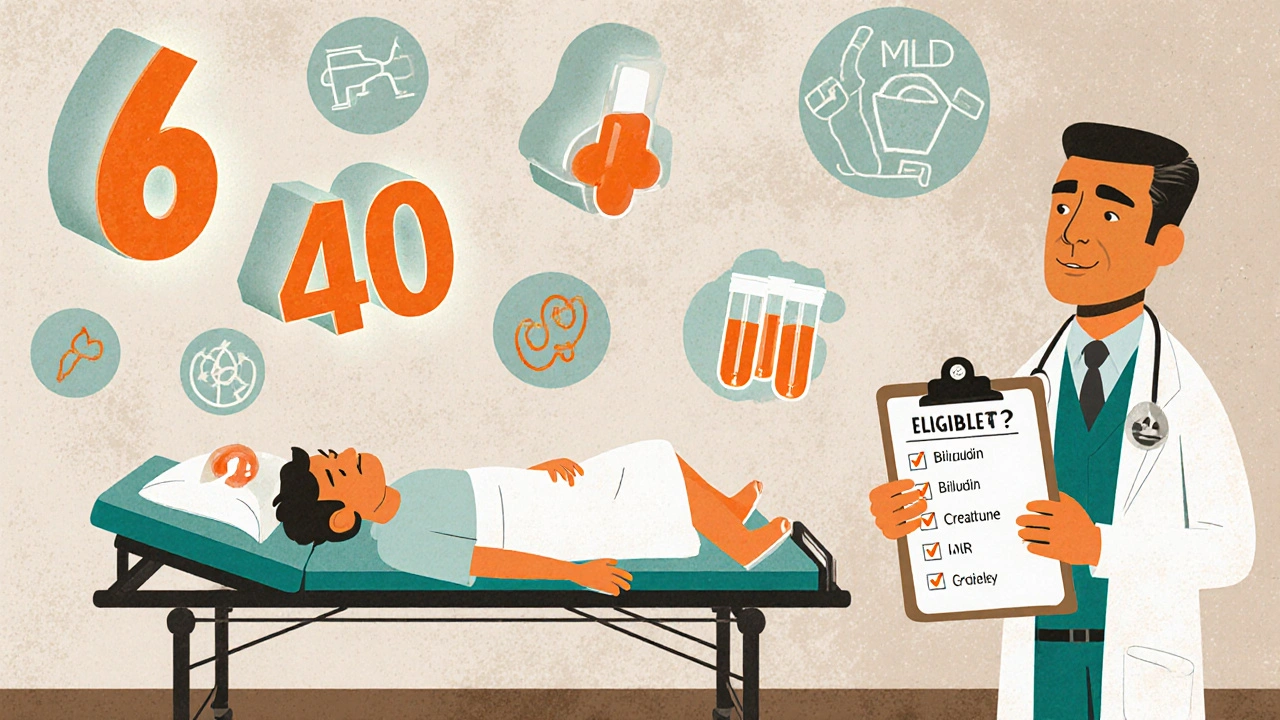
Liver Transplantation: Eligibility, Surgery, and Immunosuppression Explained
A comprehensive guide to liver transplantation, covering eligibility criteria, surgical procedures, and lifelong immunosuppression needs. Learn how MELD scores, donor types, and medication regimens impact survival and quality of life.
Read MoreLatest Post
-

Iverheal: Uses, Safety, Dosage, and Real-World Facts 28 June 2025
-
Top Natural Alternatives to Aspirin for Effective Pain Relief 19 October 2025
-
-
-
Medications You Should Never Use After the Expiration Date 19 November 2025