
Liver Transplantation: What You Need to Know About Recovery, Medications, and Risks
When your liver fails, a liver transplantation, a surgical procedure to replace a failing liver with a healthy one from a donor. Also known as orthotopic liver transplant, it’s often the only option for people with cirrhosis, hepatitis, or rare metabolic diseases. But getting a new liver is just the start. The real challenge begins after surgery — staying alive means taking powerful drugs every single day to stop your body from rejecting the new organ.
These drugs, called immunosuppressant drugs, medications that weaken the immune system to prevent organ rejection, are non-negotiable. Common ones like tacrolimus, a potent immunosuppressant used to prevent liver transplant rejection, mycophenolate, and steroids keep your immune system from attacking the transplant. But they come with heavy trade-offs: higher risk of infections, kidney damage, high blood pressure, and even certain cancers. And because these drugs interact with almost everything — from grapefruit juice to antibiotics — even a small change in your routine can throw your levels off.
That’s why so many transplant patients end up in the hospital not from rejection, but from a bad drug interaction. A common cold medicine, an herbal supplement, or switching to a different generic version of your medication can cause your tacrolimus levels to spike or crash. Too high, and you risk kidney failure or nerve damage. Too low, and your body starts rejecting the new liver. That’s why monitoring blood levels regularly isn’t optional — it’s survival.
There’s no magic fix. You can’t stop the drugs. You can’t skip doses. But you can learn how to manage them. Knowing which over-the-counter meds are safe, how to spot early signs of rejection (like fatigue, jaundice, or unexplained fever), and when to call your transplant team can make all the difference. It’s not about being perfect — it’s about being informed. And that’s what this collection is for.
Below, you’ll find real, practical guides on how to handle the daily realities of life after a liver transplant: how to avoid dangerous drug interactions, what side effects to never ignore, how to deal with insurance denials for your meds, and why even small changes in your routine can have big consequences. These aren’t theory pieces. They’re written by people who’ve lived this — and they’ll help you stay safe, one pill at a time.
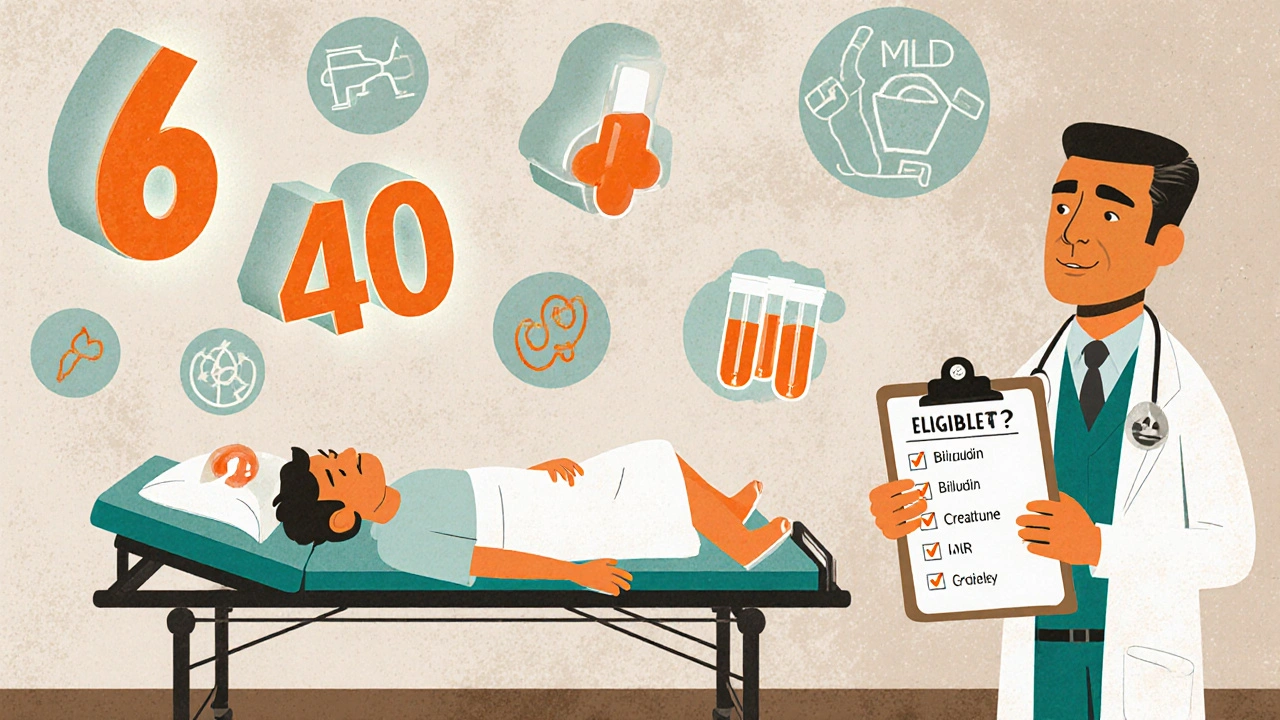
Liver Transplantation: Eligibility, Surgery, and Immunosuppression Explained
A comprehensive guide to liver transplantation, covering eligibility criteria, surgical procedures, and lifelong immunosuppression needs. Learn how MELD scores, donor types, and medication regimens impact survival and quality of life.
Read MoreLatest Post
-

-

-

-

-
Setting Up Medication Reminders and Alarms That Work 27 February 2026