
Nebulizer Care: How to Clean, Maintain, and Use Your Nebulizer Safely
When you rely on a nebulizer, a medical device that turns liquid medication into a mist you breathe in. Also known as an inhalation device, it's often used for asthma, COPD, and other lung conditions, keeping it clean isn't optional—it's critical. A dirty nebulizer can harbor bacteria, reduce medication delivery, and even make your breathing worse. Unlike pills or inhalers, nebulizers have multiple parts that collect moisture, gunk, and germs after every use. If you skip cleaning, you're not just being lazy—you're risking your health.
Proper nebulizer cleaning, the daily and weekly process of disinfecting the device to prevent contamination starts right after each treatment. Rinse the cup and mouthpiece with warm water, shake off excess, and let them air-dry on a clean towel. Don’t wipe them—tiny fibers from paper towels or cloth can clog the system. Once a week, soak the parts in a vinegar-and-water mix or use a medical-grade disinfectant recommended by your provider. Never boil plastic parts or put them in the dishwasher unless the manual says it’s safe. And never share your nebulizer—even with family members. Germs don’t care if it’s your spouse or your kid; they’ll hop right on in.
nebulizer maintenance, the ongoing tasks that keep the device working efficiently over time goes beyond cleaning. Check the tubing for cracks or stiffness—old or damaged tubing can trap moisture and block airflow. Replace the air filter every 1–2 months, or sooner if it looks dirty. If your nebulizer starts making weird noises, takes longer than usual to finish a dose, or spits out uneven mist, it’s time to inspect or replace parts. Most manufacturers recommend replacing the nebulizer cup every 6 months, even if it looks fine. Those little plastic pieces wear down slowly, and that tiny change can cut your medication dose by half without you noticing.
People often think the medication is the only thing that matters—but the device matters just as much. A perfectly clean nebulizer delivers the full dose. A dirty one? You might be getting only 30% of what your doctor prescribed. That’s the difference between relief and a trip to the ER. And if you’re using it for a child, an elderly parent, or someone with a weakened immune system, the stakes are even higher. Hospitals and clinics follow strict cleaning protocols for a reason: germs in nebulizers can cause pneumonia, bronchitis, or worse.
What you’ll find in the articles below aren’t just tips—they’re real-world solutions from people who’ve been there. You’ll learn how to spot when your nebulizer is failing, what cleaning products actually work (and which ones make things worse), and how to avoid the most common mistakes that lead to infections. There’s no fluff. Just clear, practical steps to keep your nebulizer working like it should—so your breathing stays steady, your meds work right, and you stay out of the hospital.
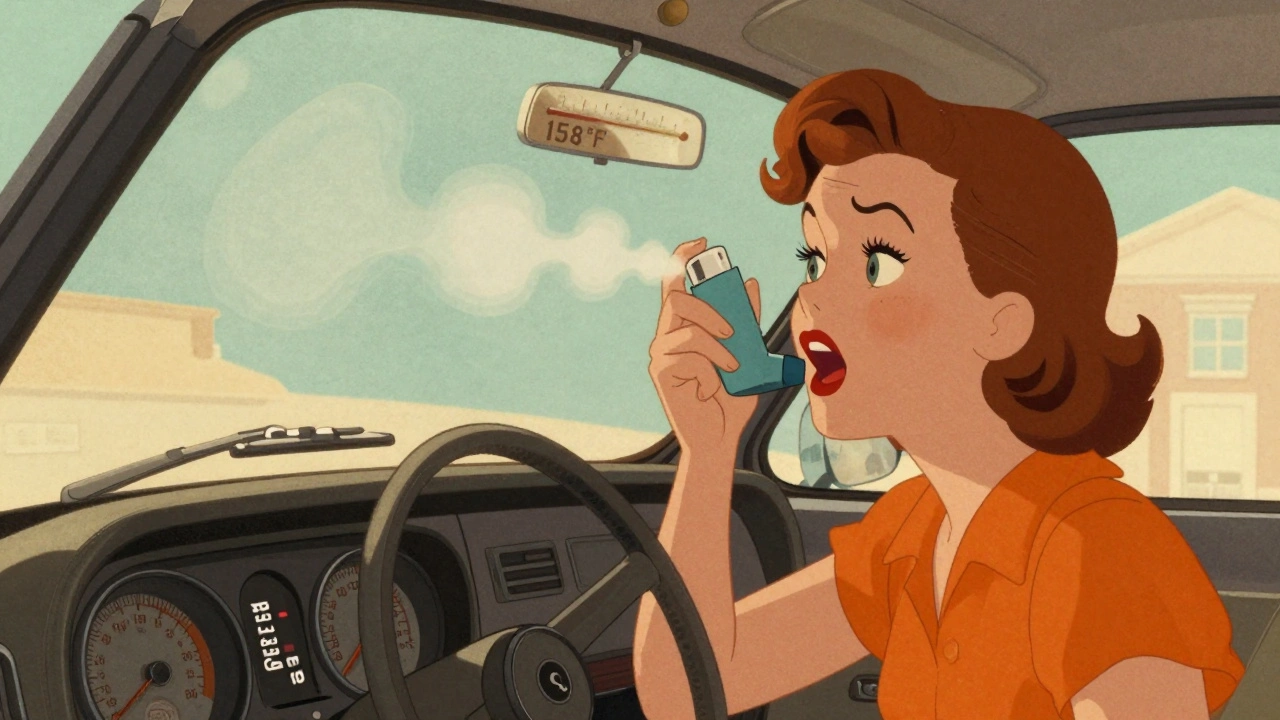
How to Store Inhalers and Nebulizer Medications Safely: Temperature, Humidity, and Common Mistakes
Learn how to store inhalers and nebulizer medications safely to ensure they work when you need them most. Avoid common mistakes, understand temperature and humidity limits, and protect your respiratory health.
Read MoreLatest Post
-

-
Tricor (Fenofibrate) Guide: Uses, Dosage, Side Effects & FAQs 21 September 2025
-
Antiviral Medications: Treatment Options for Viral Infections 18 December 2025
-
-

Dramamine vs Alternatives: Which Motion Sickness Remedy Is Best? 20 October 2025