
Nebulizer Medication Storage: How to Keep Your Inhalation Drugs Safe and Effective
When you use a nebulizer, a device that turns liquid medication into a mist you breathe in. It's not just about using it right—you need to store the meds correctly too. Many people think if the bottle looks fine, the drug is fine. But nebulizer medication storage can make the difference between relief and a flare-up. Some drugs, like albuterol or budesonide, lose potency if left in heat or light. Others, like hypertonic saline or certain antibiotics, need refrigeration to stay stable. Skip the proper storage, and you’re not just wasting money—you’re risking your health.
It’s not just about the medicine itself. The nebulizer, a device that turns liquid medication into a mist you breathe in parts—tubing, mask, chamber—also need care. Moisture left inside breeds bacteria. A dirty nebulizer doesn’t just mess up your treatment; it can give you a new infection. That’s why cleaning after every use isn’t optional. And storing the device in a clean, dry place? Just as important as how you store the bottle. You wouldn’t leave insulin in a hot car. Don’t treat your nebulizer meds any differently.
Then there’s the expiration date, the last day the manufacturer guarantees the drug will work as labeled. Some people keep old nebulizer meds ‘just in case.’ But expired albuterol won’t open your airways like it should. Liquid forms, especially, break down faster than pills. If it’s been sitting in a drawer for a year, it’s probably not doing what it’s supposed to. And don’t forget: some meds, like corticosteroids, need to be discarded after a certain number of days once opened—even if the bottle says it’s good for years. The clock starts ticking the moment you open it.
Temperature matters more than you think. A bathroom cabinet? Too humid. A sunny windowsill? Too hot. A car glovebox in summer? Absolutely not. The best spot is usually the fridge for sensitive drugs, or a cool, dark drawer for others. Always check the label. If it says ‘store at room temperature,’ that means 68–77°F, not ‘whichever corner feels fine.’ And never freeze a nebulizer solution unless the instructions say so—freezing can ruin the chemistry.
What you’ll find below are real, practical guides from people who’ve been there. How to tell if your nebulizer meds have gone bad. Why some pharmacies give you different instructions than the bottle. What to do when your insurance won’t cover a new supply. How to travel with refrigerated meds without a cooler. And why some doctors don’t tell you half of this—because they assume you already know. This isn’t theory. It’s what keeps your breathing steady when you need it most.
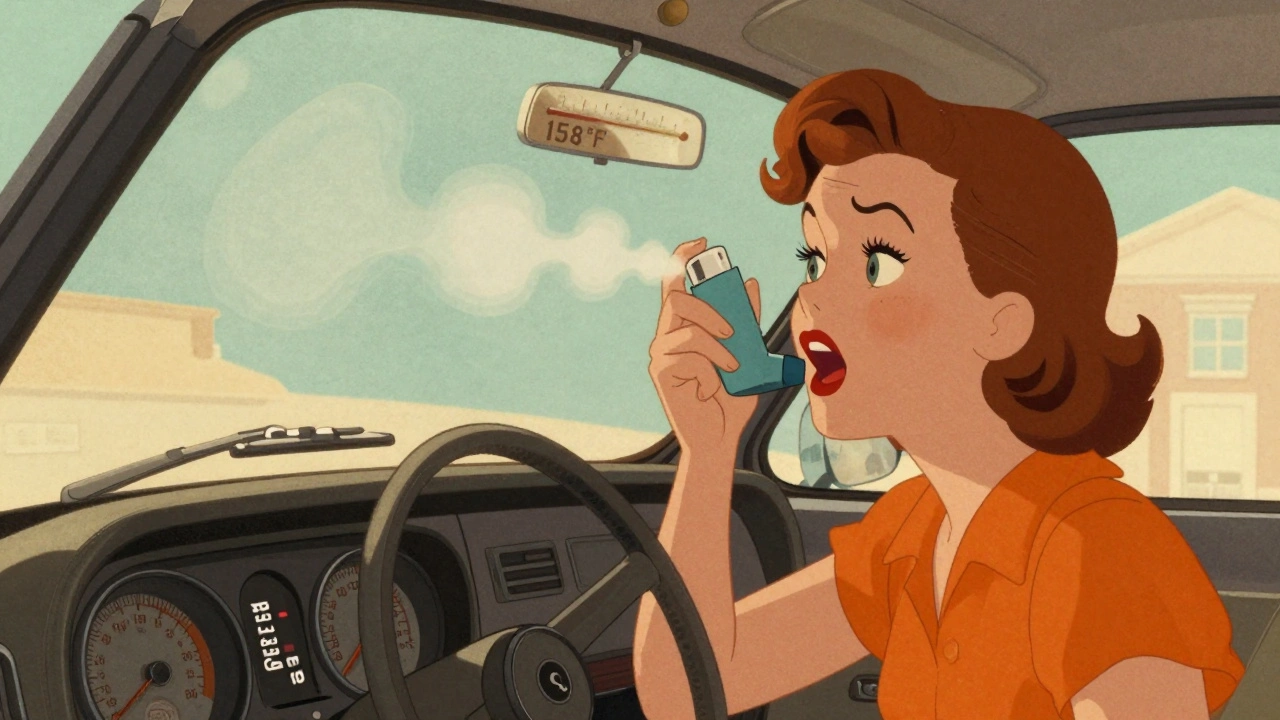
How to Store Inhalers and Nebulizer Medications Safely: Temperature, Humidity, and Common Mistakes
Learn how to store inhalers and nebulizer medications safely to ensure they work when you need them most. Avoid common mistakes, understand temperature and humidity limits, and protect your respiratory health.
Read MoreLatest Post
-

-

-

-
Hormone Therapy Combinations: Generic Choices and Considerations 17 January 2026
-

Affordable Bactrim Online: A Comprehensive Guide 28 December 2024