Non-Formulary Generics: Why Some Insurance Plans Won't Cover Them
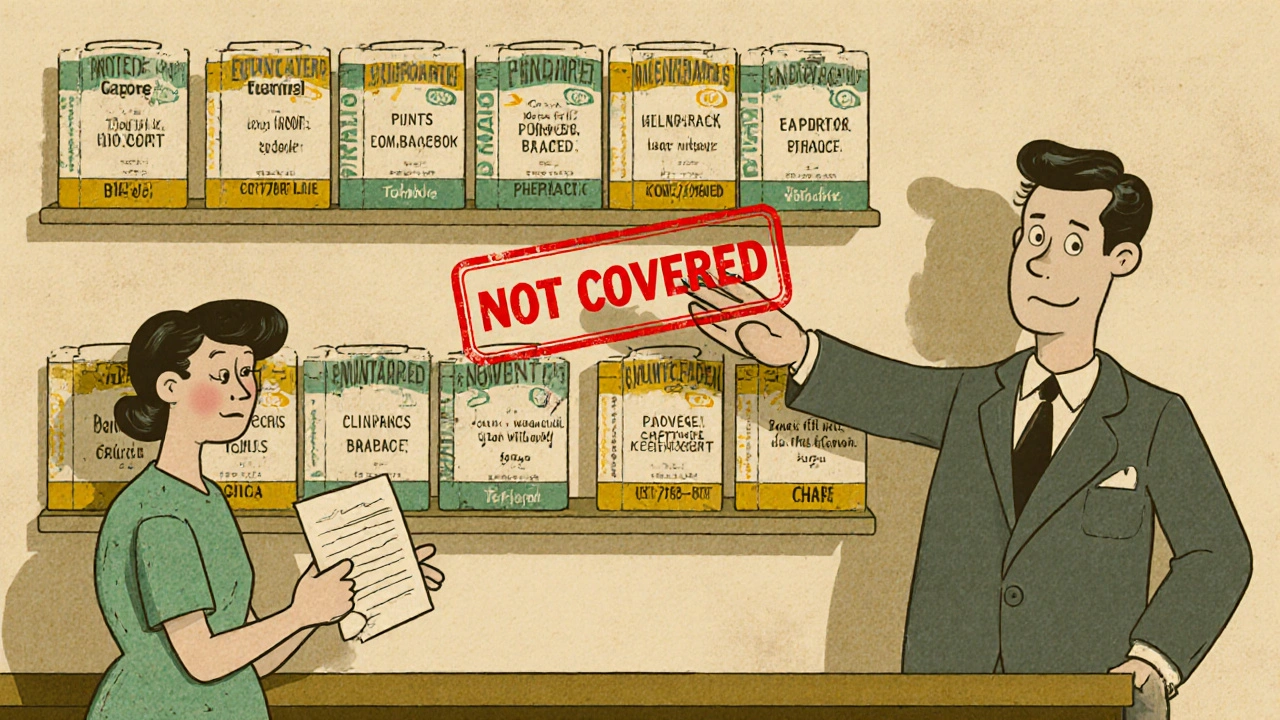
When you hear non-formulary generics, generic drugs that your insurance plan doesn’t list as preferred or covered options. Also known as non-preferred generics, they’re the ones your pharmacy might say are "not covered"—even though they’re the same active ingredient as the brand-name drug. It’s not a mistake. It’s a business decision. Insurance companies build formularies, lists of approved medications they agree to pay for at lower costs to control spending. But not all generics make the cut. Some are left out because the insurer struck a deal with a brand-name maker, or because they’ve had issues with a specific generic manufacturer’s quality or consistency.
Here’s the real problem: you might be switched to a non-formulary generic, a cheaper version of your medication that your plan doesn’t prioritize without warning. Then you show up at the pharmacy and get hit with a $150 bill instead of your usual $10 copay. That’s not rare. It happens because formularies change often, and insurers don’t always notify patients. Some non-formulary generics, generic drugs excluded from preferred lists due to cost or policy decisions are perfectly safe and effective—but they’re not in the plan’s best interest financially. Meanwhile, the same drug from a different maker might be on-formulary and cost pennies. It’s not about quality. It’s about contracts.
You’ll find this issue popping up in posts about generic medication dose adjustment, especially with drugs like levothyroxine or warfarin where even tiny formulation differences matter. If your plan switches you to a non-formulary version, your doctor might need to tweak your dose—and you’ll pay more for the privilege. It also shows up in discussions about antihypertensive combination generics, fixed-dose pills that combine two blood pressure drugs into one tablet. Some combo generics are covered, others aren’t. And if you’re on a transplant regimen with drugs like tacrolimus, getting the wrong generic—or no coverage at all—can be risky.
What can you do? Ask your pharmacist: "Is this on-formulary?" If it’s not, ask your doctor for a prior authorization or a therapeutic alternative. Check your plan’s formulary list online—most insurers update it monthly. And if you’re being charged more for the same drug just because it’s from a different maker, you’re not alone. Many people don’t realize they’re being penalized for a corporate contract, not a medical reason. Below, you’ll find real stories and practical guides on how to fight back, understand your coverage, and avoid surprise bills when it comes to your prescriptions.
Non-formulary generics: what to do when coverage is denied
When your insurance denies coverage for a generic drug, you’re not out of options. Learn how to appeal non-formulary generic denials using federal exceptions processes, clinical documentation, and state-specific rights to get the medication you need.
Read MoreLatest Post
-

Motilium Alternatives: Top 6 Options for You 5 March 2025
-

-

Itchy Skin & Allergies: How to Spot Triggers and Soothe Symptoms 23 October 2025
-
How to Fight Insurance Denials When a Generic Medication Fails 4 February 2026
-