NTI Drugs: What They Are, Why They Matter, and How to Stay Safe
When a medication has a narrow therapeutic index, a small difference between a safe dose and a toxic one. Also known as NTI drugs, these medications demand precision—because even a slight mistake in dosage can lead to serious harm or death. Unlike most drugs where you have some wiggle room, NTI drugs operate on a razor’s edge. One pill too much, and you risk toxicity. One pill too little, and the treatment fails. This isn’t theoretical—it’s why hospitals use special protocols, pharmacists double-check prescriptions, and patients need to know exactly what they’re taking.
Common NTI drugs include warfarin, a blood thinner where tiny changes in dose can cause dangerous bleeding or clots, digoxin, used for heart rhythm problems but easily overdosed, and lithium, a mood stabilizer with a very tight safety margin. Even phenytoin, an older seizure medication, falls into this high-risk group. These aren’t obscure drugs—they’re widely prescribed. That’s why understanding NTI drugs matters. If you’re on one, you’re not just taking a pill—you’re managing a high-stakes balance. Your body’s response can change based on diet, other meds, liver function, or even a new brand of generic. That’s why switching generics isn’t always safe with NTI drugs, even if the label says they’re the same.
Many people don’t realize that the difference between a therapeutic dose and a toxic one for these drugs can be as small as 20%. That’s why regular blood tests are often required. It’s why pharmacists ask if you’ve changed brands. It’s why your doctor might stick with one specific generic instead of letting you switch. The posts below cover exactly these real-world situations: how to spot when an NTI drug is involved, what to ask your pharmacist, why insurance might block a switch, how to interpret lab results, and what to do if you feel off after a dosage change. You’ll find practical advice on managing these drugs safely, avoiding dangerous interactions, and knowing when to push back if something feels wrong. This isn’t just about following instructions—it’s about understanding why those instructions exist.
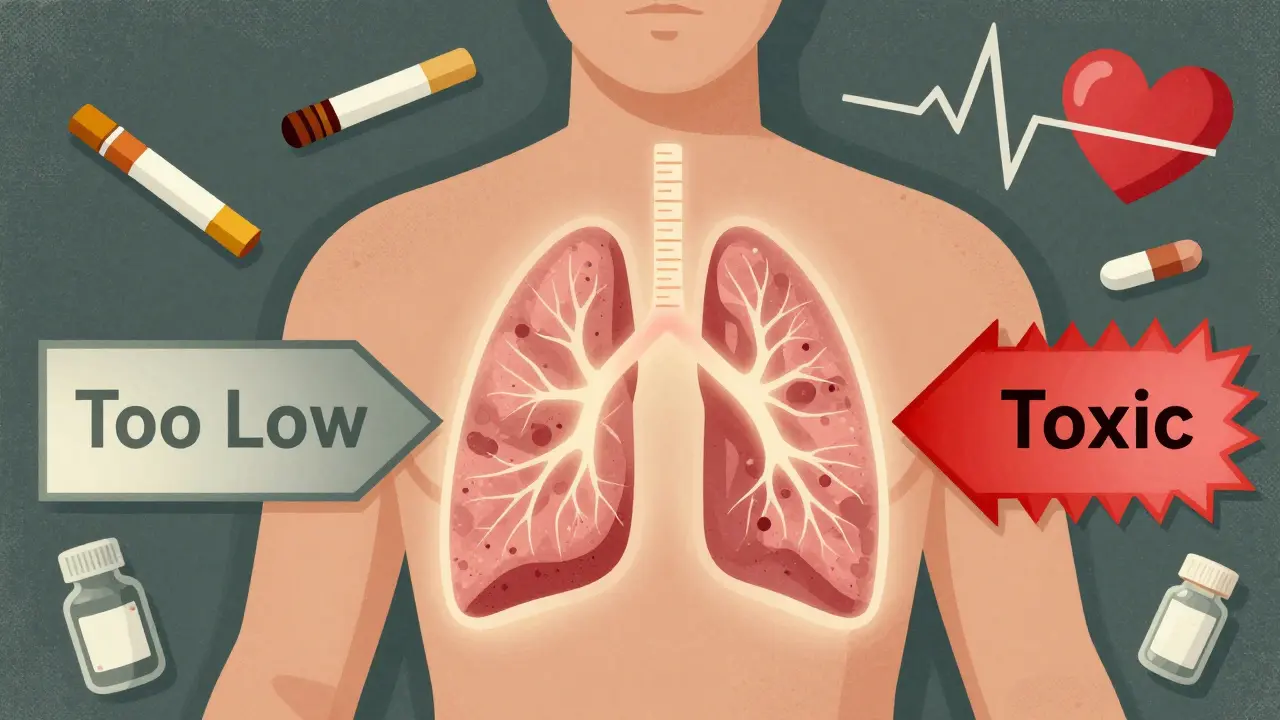
Theophylline Levels: Why NTI Monitoring Is Critical for Safe and Effective Treatment
Theophylline is a life-saving drug for severe asthma and COPD, but its narrow therapeutic window demands strict blood level monitoring. Without it, toxicity can be fatal. Here's why NTI monitoring isn't optional-it's essential.
Read More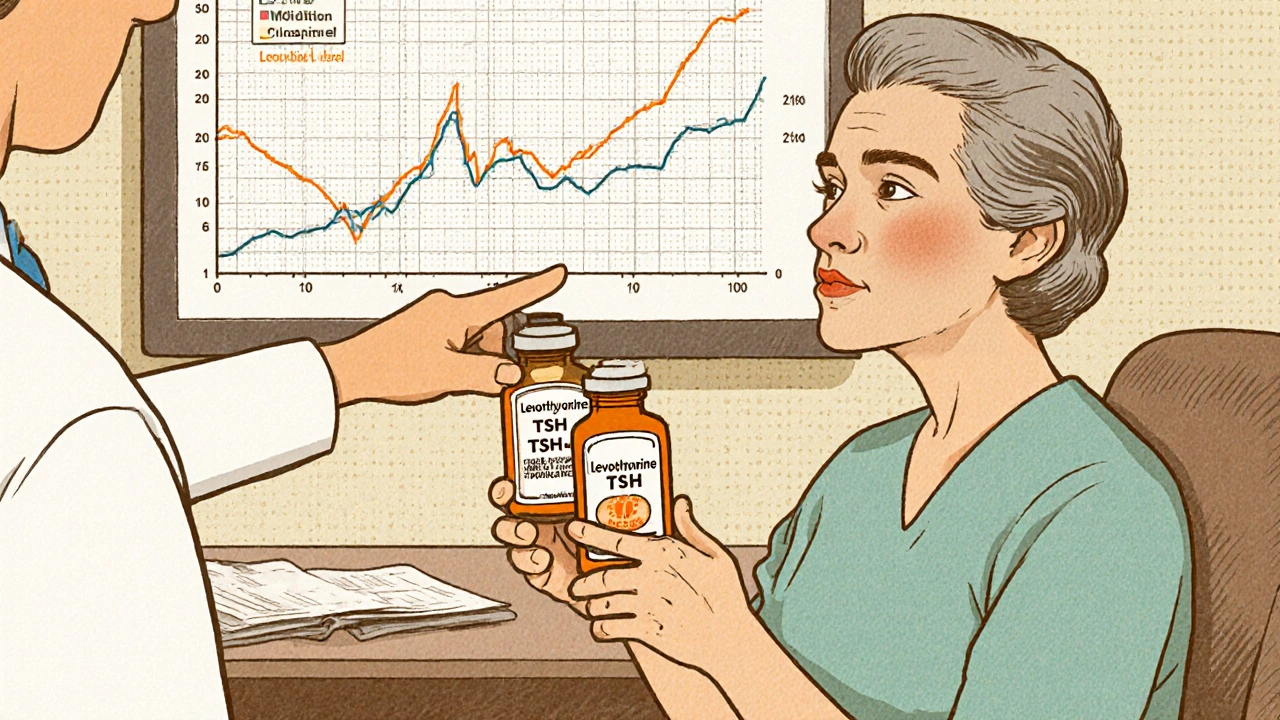
When Doctors Adjust Doses After Switching to Generic Medications
Switching to generic medications can be safe-but not for all drugs. For narrow therapeutic index drugs like levothyroxine and warfarin, even small changes in formulation can require dose adjustments. Here’s what you need to know.
Read More
When Doctors Adjust Doses After Switching to Generic Medications
Switching to generic medications can be safe-but for certain drugs like warfarin, levothyroxine, and phenytoin, even small changes can cause serious side effects. Learn when dose adjustments are needed and how to protect yourself.
Read More