
Postpartum Anxiety: What It Is, How It Shows Up, and What You Can Do
When your baby arrives, everyone talks about postpartum anxiety, a mental health condition that strikes after childbirth, often with overwhelming worry, racing thoughts, and physical tension. Also known as perinatal anxiety, it’s not the same as the baby blues, and it doesn’t mean you’re failing as a mom. You might feel fine holding your baby—but then panic hits when you’re alone in the bathroom, or you can’t sleep because you’re replaying every little sound your baby made. It’s not just stress. It’s a real, treatable condition affecting up to 1 in 5 new mothers.
postpartum depression, a related but distinct condition marked by deep sadness, loss of interest, and fatigue often gets all the attention, but anxiety after birth, characterized by constant fear, obsessive thoughts, and physical symptoms like heart palpitations or dizziness is just as common—and just as urgent to address. Many women don’t realize their racing mind and sleepless nights aren’t normal. They think they should be grateful, so they stay silent. But silence doesn’t make it go away. It makes it worse.
What triggers it? Hormones drop fast after birth. Sleep vanishes. The pressure to be perfect kicks in. And if you’ve had anxiety before, or a traumatic birth, or a baby in the NICU, your risk goes up. It’s not your fault. It’s biology, environment, and life all crashing together. The good news? maternal mental health, the umbrella term covering anxiety, depression, and other emotional challenges after childbirth is finally getting the focus it deserves. Treatment works. Therapy, support groups, and sometimes medication can bring you back to yourself—without judgment.
You’ll find real stories and practical advice in the posts below. Some talk about how a simple breathing technique stopped panic attacks at 3 a.m. Others explain why certain meds are safe while breastfeeding. One woman shares how she learned to tell the difference between normal worry and dangerous obsession. These aren’t theoretical. These are women who were where you are—and found their way out.
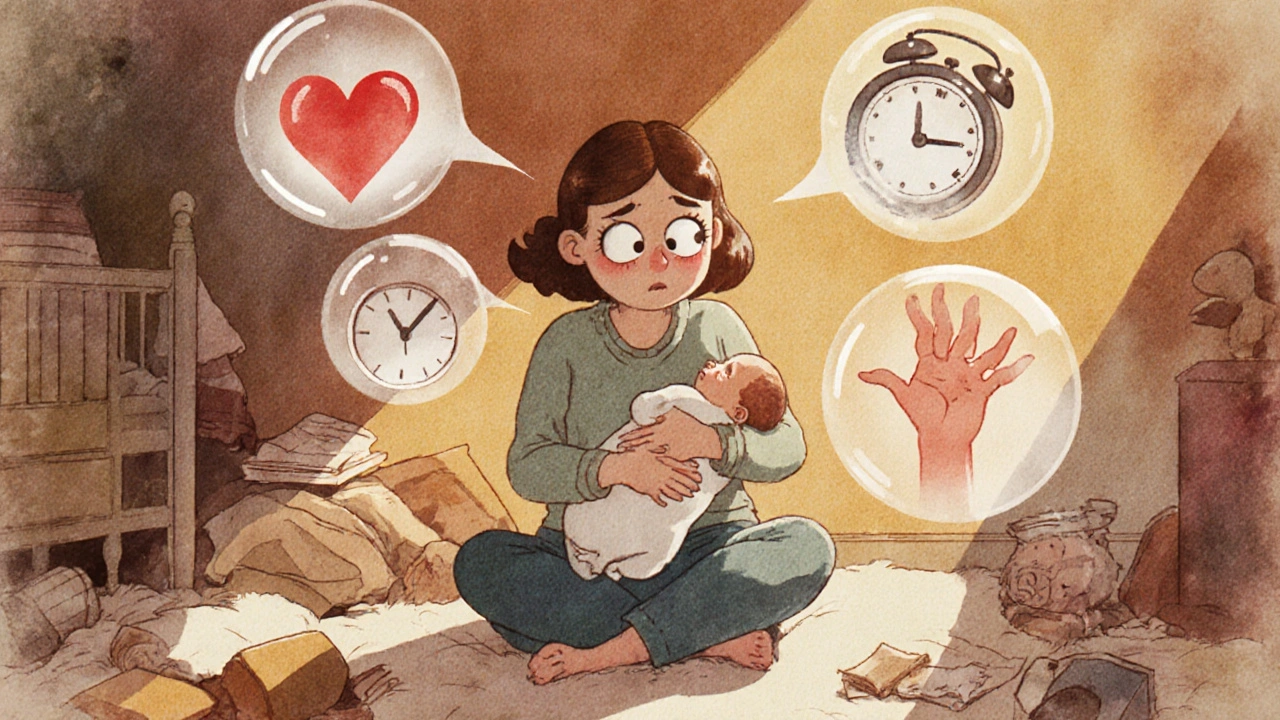
Postpartum Anxiety: Recognizing Symptoms, Screening Tools, and Effective Care Paths
Postpartum anxiety affects 1 in 5 new mothers and is often missed. Learn the real symptoms, how screening works, and evidence-based treatment paths - from therapy to medication - that actually help.
Read MoreLatest Post
-
-

Buy Cheap Generic Paxil Online - Safe, Fast, and Affordable Options 30 September 2025
-

Unlock the Power of Bloodroot: Your Ultimate Health Booster 8 September 2024
-
-
Naloxone Readiness Plan: How to Keep Patients Safe on Opioids 8 December 2025