PSC: Primary Sclerosing Cholangitis Symptoms, Treatments, and Medication Risks
When your bile ducts slowly scar and narrow, your liver can’t do its job—and that’s Primary Sclerosing Cholangitis, a rare, progressive liver disease that causes inflammation and scarring of the bile ducts inside and outside the liver. Also known as PSC, it often shows up in people with inflammatory bowel disease, especially ulcerative colitis, and can lead to liver failure if not tracked closely. Unlike other liver conditions, PSC doesn’t respond to typical anti-inflammatories or lifestyle fixes. It’s silent until it’s advanced, which is why spotting early signs—like fatigue, itching, or yellowing skin—is critical.
PSC doesn’t have a cure, but it does have immunosuppressants, medications used to calm the immune system’s attack on bile ducts as part of long-term management. Drugs like azathioprine or ursodeoxycholic acid (UDCA) are commonly tried, but studies show mixed results. What’s clear is that some meds can make things worse. For example, certain antibiotics or painkillers might stress an already fragile liver. And because PSC raises the risk of bile duct cancer (cholangiocarcinoma), regular imaging and blood tests aren’t optional—they’re life-saving.
People with PSC often need to manage other conditions at the same time: vitamin deficiencies from poor bile flow, bone loss from chronic inflammation, or even complications from liver transplants. That’s why the posts here focus on real-world medication risks, how to monitor for hidden dangers, and what to ask your doctor when a new prescription comes in. You’ll find guides on spotting drug interactions that could harm your liver, how to track symptoms that might signal worsening disease, and why some generic switches need extra caution—even if the label says they’re the same.
There’s no magic pill for PSC, but knowledge is your best tool. Whether you’re newly diagnosed, managing long-term, or caring for someone who is, the information below gives you the facts you need to ask better questions, avoid dangerous mistakes, and stay one step ahead of complications.
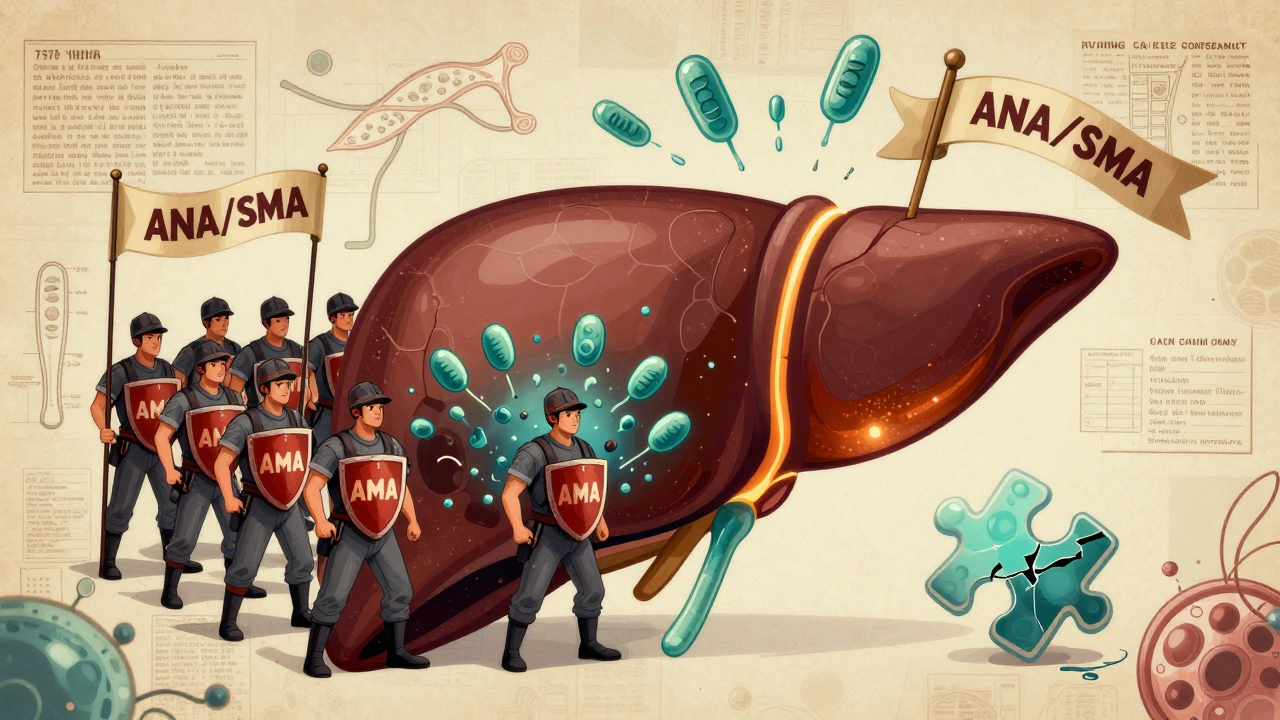
Autoimmune Overlap: Understanding PBC, PSC, and AIH Combined Features
Autoimmune overlap syndromes combine features of PBC, PSC, and AIH, requiring specialized diagnosis and dual treatment approaches. Learn how to spot the signs and why standard therapies often fall short.
Read MoreLatest Post
-
GERD Management: Diet, Lifestyle, and Acid Reflux Medications 26 January 2026
-

-
-

Rhabdomyosarcoma and Art Therapy: Creative Coping Strategies 27 September 2025
-