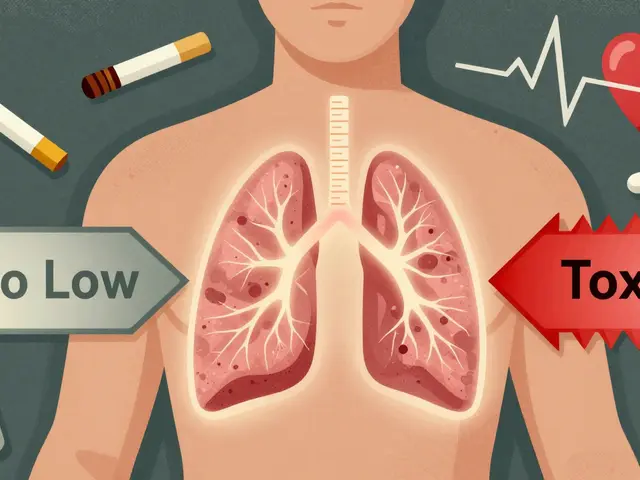
QT Prolongation: Risks, Medications, and What You Need to Know
When your heart’s electrical cycle takes too long to reset — a condition called QT prolongation, a delay in the heart’s repolarization phase that can trigger life-threatening arrhythmias. It’s not a disease itself, but a warning sign that something in your medication, health, or body chemistry is throwing off your heart’s rhythm. This isn’t just a lab number — it’s a red flag that can lead to torsades de pointes, a specific type of irregular heartbeat that can cause fainting, seizures, or sudden cardiac death. Many common drugs — from antibiotics to antidepressants — can cause this, often without you realizing it.
People on multiple medications are at higher risk, especially if they have low potassium or magnesium, kidney problems, or a history of heart issues. Cardiac monitoring, a simple ECG test that measures the time between heartbeats is the only way to catch it early. Doctors don’t always check for it unless you’re on a high-risk drug — which is why knowing the signs matters. If you’ve ever felt dizzy, had a racing heart, or passed out suddenly after starting a new medicine, that could be your body telling you something’s wrong.
Some of the most common culprits include certain antibiotics like azithromycin, antifungals like fluconazole, anti-nausea drugs like ondansetron, and even some psychiatric medications. It’s not just about one drug — it’s about combinations. A drug that’s safe alone might become dangerous when mixed with another that also affects the QT interval. That’s why tracking your meds, like in a symptom diary, a personal log of when you take drugs and how you feel, can be lifesaving. You don’t need to be a medical expert — just a careful observer.
What you’ll find in these posts isn’t just theory. Real cases. Real risks. Real fixes. You’ll learn how doctors adjust doses when switching generics, why some antibiotics spike your INR and indirectly affect your heart, and how to spot hidden dangers in everyday prescriptions. You’ll see how patient advocacy and smart monitoring have changed outcomes — not just for transplant patients on immunosuppressants, but for anyone taking meds that touch the heart. This isn’t about fear. It’s about control. Knowing what to ask, what to track, and when to speak up can turn a silent risk into a manageable one.
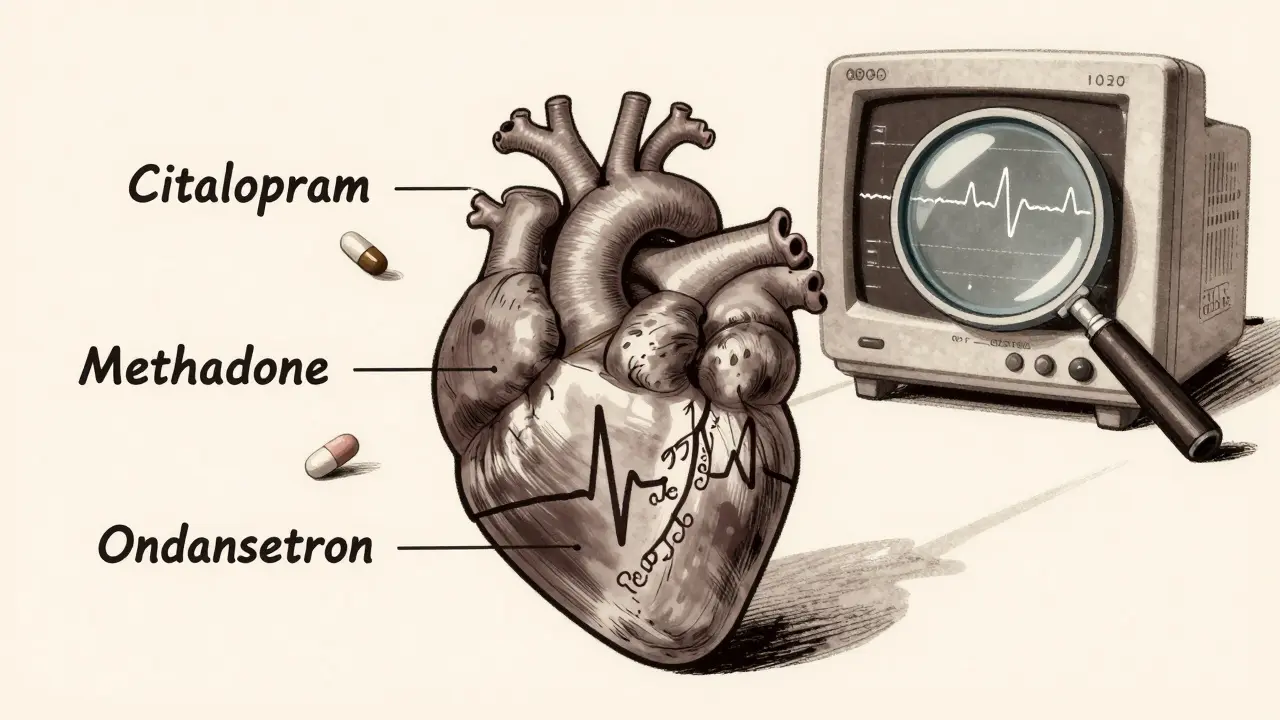
Torsades de Pointes from QT-Prolonging Medications: How to Recognize and Prevent This Life-Threatening Reaction
Torsades de Pointes is a rare but deadly heart rhythm caused by certain medications that prolong the QT interval. Learn how to recognize the warning signs, which drugs are most dangerous, and how to prevent this life-threatening reaction with simple, proven steps.
Read More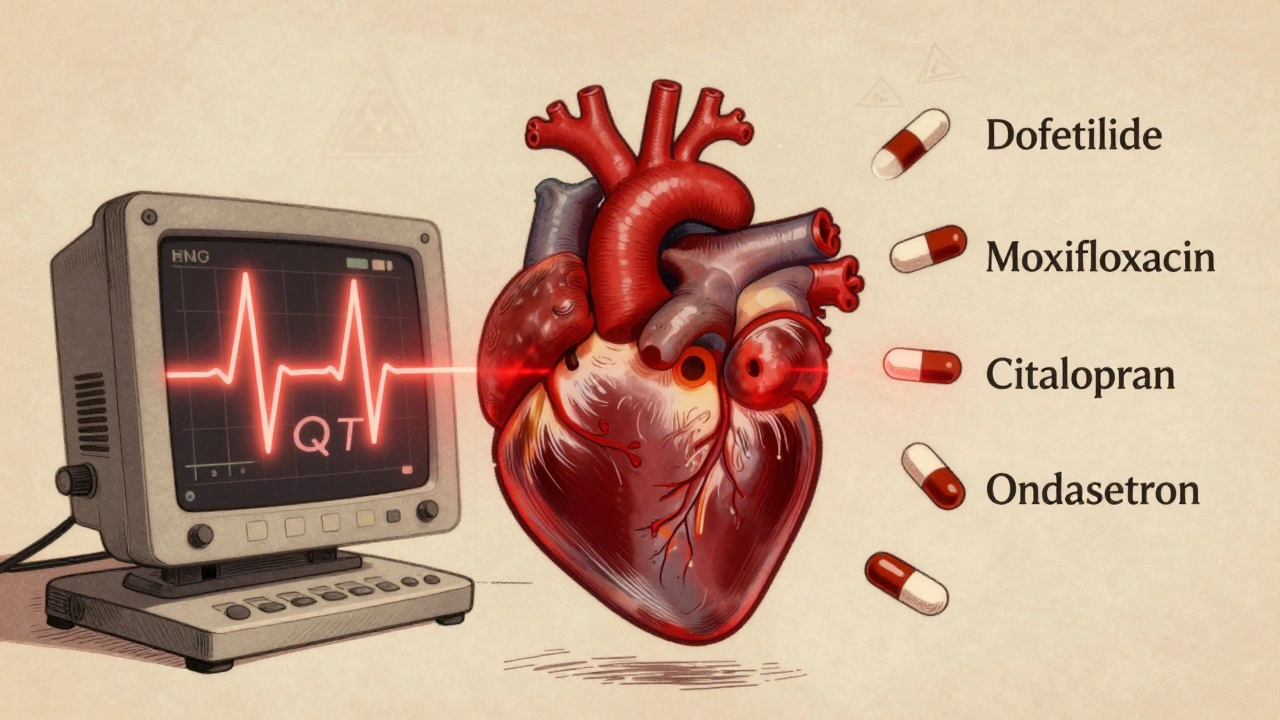
QT Prolongation and Sudden Cardiac Death from Medications: Key Risk Factors You Need to Know
QT prolongation from medications can lead to sudden cardiac death. Learn the key risk factors-including drug combos, electrolyte imbalances, and heart disease-that make this silent threat deadly-and how to prevent it.
Read MoreLatest Post
-
-

-
-

Seroquel vs Alternatives: Which Antipsychotic Fits You Best 10 October 2025
-