QTc Interval: What It Is, Why It Matters, and Which Drugs Can Affect It
When your heart beats, it goes through a cycle of electrical activity—and the QTc interval, the corrected time it takes for the heart’s ventricles to depolarize and repolarize—is a key part of that rhythm. It’s measured on an ECG and adjusted for heart rate, which is why the "c" stands for corrected. A normal QTc is under 450 milliseconds for men and under 460 for women. But when it stretches beyond that, your heart’s electrical system gets unstable. That’s when you’re at risk for torsades de pointes, a dangerous type of irregular heartbeat that can turn deadly. It doesn’t always cause symptoms, but when it does, you might feel dizzy, faint, or have your heart racing for no reason.
Many common medications can lengthen the QTc interval, even if they’re not meant for the heart. Antibiotics like clarithromycin, a macrolide often prescribed for respiratory infections, antifungals like fluconazole, certain antidepressants like citalopram, and even some anti-nausea drugs like ondansetron can do it. So can electrolyte imbalances—low potassium, low magnesium, or low calcium—especially in people who are dehydrated or on diuretics. It’s not just about one drug alone; mixing two or more that affect the QTc interval multiplies the risk. That’s why doctors check your meds and blood levels before starting certain treatments, especially if you’re already on heart medication or have a history of arrhythmias.
People with inherited long QT syndrome, older adults, and women are more vulnerable. But even healthy people can be affected if they take the wrong combo or get dehydrated. That’s why tracking your QTc matters—not just in hospitals, but in everyday care. If you’re on a new medication and start feeling off-balance or notice your heart skipping beats, it’s worth asking your doctor to check your ECG. It’s a simple test, and catching a prolonged QTc early can prevent a cardiac emergency. Below, you’ll find real-world cases and drug guides that show exactly which medications to watch, how to spot the warning signs, and what steps to take if your QTc starts to creep up.
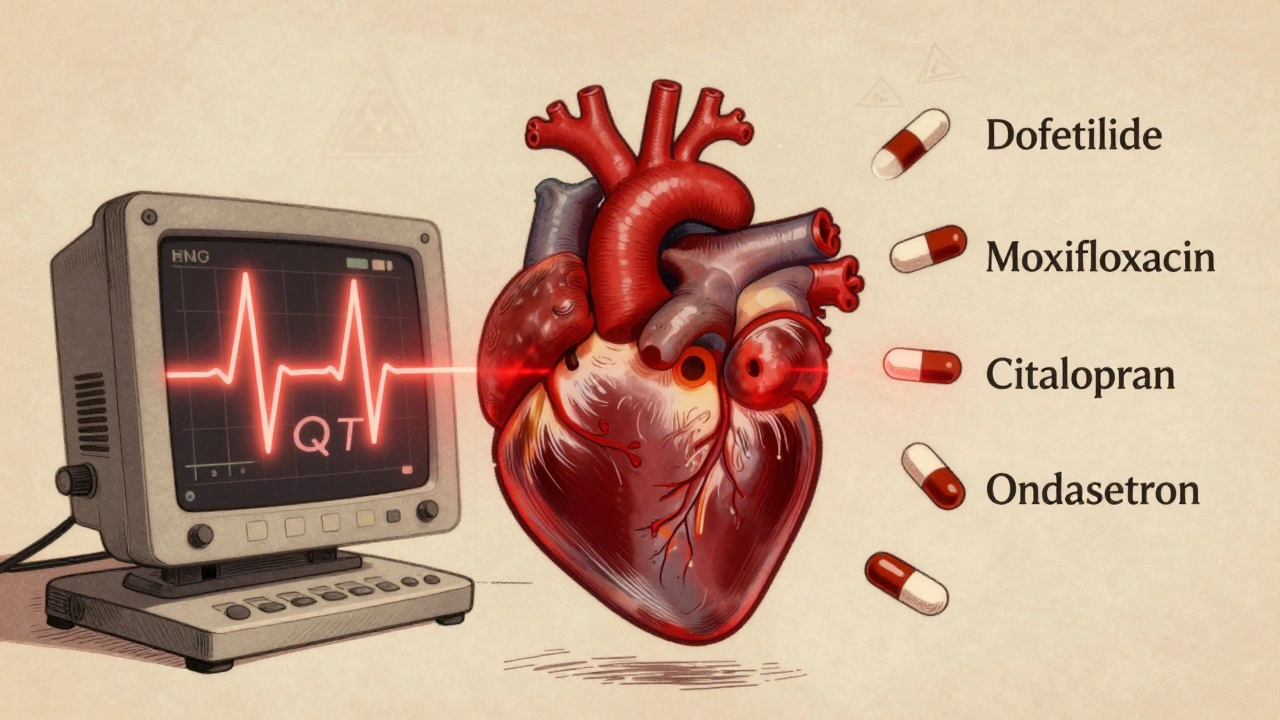
QT Prolongation and Sudden Cardiac Death from Medications: Key Risk Factors You Need to Know
QT prolongation from medications can lead to sudden cardiac death. Learn the key risk factors-including drug combos, electrolyte imbalances, and heart disease-that make this silent threat deadly-and how to prevent it.
Read MoreLatest Post
-
-
When to Avoid a Medication Family After a Severe Drug Reaction 17 November 2025
-

-
-