Tacrolimus Side Effects: What You Need to Know Before Taking It
When you’re taking tacrolimus, a powerful immunosuppressant used mostly after organ transplants to prevent rejection. Also known as Prograf, it keeps your immune system from attacking your new kidney, liver, or heart—but it doesn’t do so without consequences. This isn’t a mild pill you can take and forget. It’s a high-alert drug that requires constant attention, because even small changes in your body or other meds can trigger serious side effects.
Tacrolimus side effects aren’t just annoying—they can be life-threatening. The most common ones include tremors, headaches, high blood pressure, and trouble sleeping. But the big ones? Kidney damage, nerve problems like tingling or numbness, and a spike in blood sugar that can turn into diabetes. If you’re on this drug, you’re also at higher risk for infections and certain cancers, especially skin cancer. That’s why regular blood tests aren’t optional—they’re your early warning system. Your doctor checks your tacrolimus levels constantly because too little means your body might reject the transplant, and too much means you’re poisoning yourself. It’s a tightrope walk, and the balance changes with every meal, every new medicine, even every season.
What most people don’t realize is that tacrolimus doesn’t act alone. It plays off other drugs in dangerous ways. If you’re taking antifungals, antibiotics like erythromycin, or even grapefruit juice, your tacrolimus levels can jump overnight. On the flip side, some seizure meds or St. John’s wort can drop your levels, putting your transplant at risk. And if you’re on other kidney stressers—like NSAIDs or certain antibiotics—you’re stacking the deck against your body. That’s why knowing your full med list and telling every new provider you’re on tacrolimus isn’t just good practice—it’s survival.
You’ll also need to watch your skin. Sun exposure isn’t just a risk for sunburn—it’s a risk for skin cancer. A simple walk outside without sunscreen can be dangerous. And if you notice new moles, sores that won’t heal, or unusual swelling, don’t wait. Call your transplant team right away. The same goes for sudden changes in urination, confusion, or severe diarrhea. These aren’t normal side effects—they’re red flags.
What you’ll find in the posts below isn’t just a list of side effects. It’s a practical toolkit. You’ll learn how to read your own lab results so you don’t have to guess what your numbers mean. You’ll see how to spot dangerous drug interactions before they happen. You’ll find out what to ask your pharmacist when they hand you a new bottle. And you’ll get real advice from people who’ve been there—how to manage the shakes, how to sleep when your body won’t shut down, and how to tell if your symptoms are just part of the ride or something that needs urgent action.
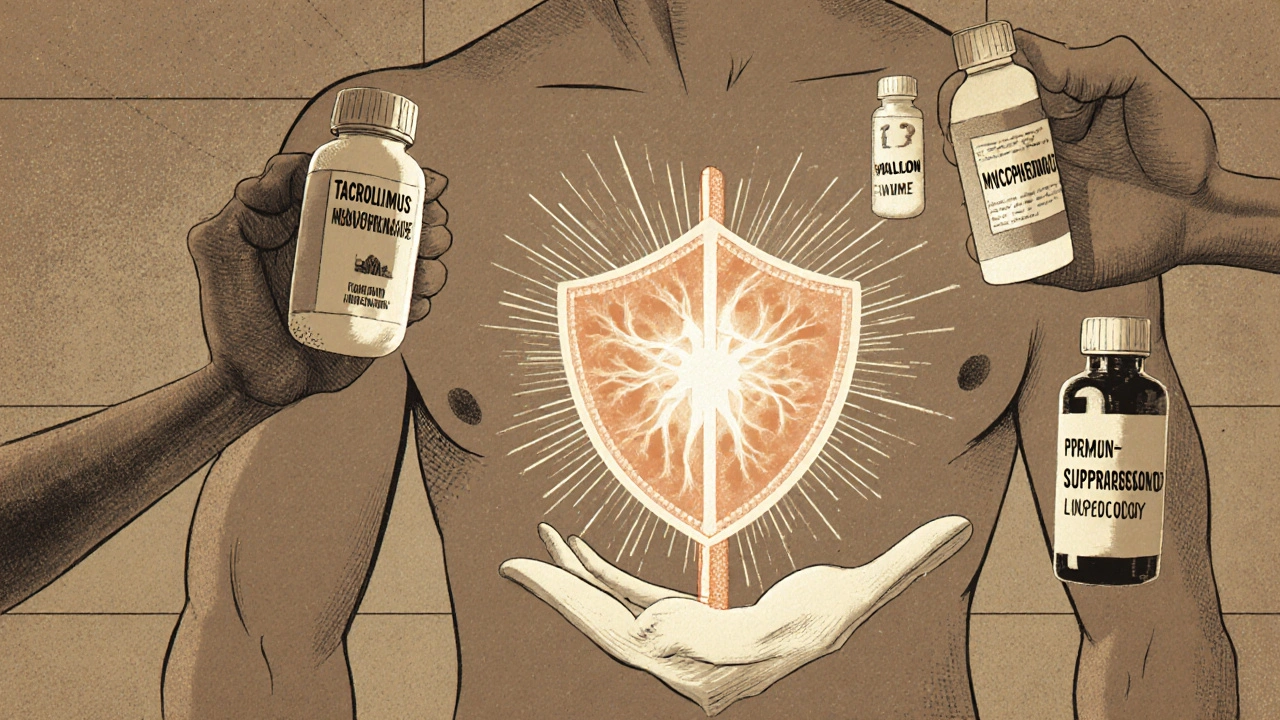
Organ Transplant Recipients: Immunosuppressant Drug Interactions and Side Effects
Organ transplant recipients must take lifelong immunosuppressant drugs to prevent rejection, but these medications carry serious side effects and dangerous drug interactions. Learn how tacrolimus, mycophenolate, and steroids impact health, what to watch for, and how modern protocols are improving outcomes.
Read MoreLatest Post
-

Zidovudine and How Patient Advocacy Changed HIV Treatment 31 October 2025
-
GERD Management: Diet, Lifestyle, and Acid Reflux Medications 26 January 2026
-

Cold-Induced Urticaria: Hives After Cold Exposure 11 February 2026
-

-