Transplant Side Effects: What You Need to Know Before and After Surgery
When someone gets a new organ, it’s not just a miracle—it’s a lifelong balancing act. Transplant side effects, the unintended consequences of receiving a donor organ and taking drugs to keep it alive. Also known as post-transplant complications, these effects range from mild fatigue to life-threatening infections and organ rejection. The body doesn’t see the new heart, kidney, or liver as its own. It sees it as an invader. That’s why you need immunosuppressants, medications that quiet the immune system so it doesn’t attack the new organ. But these drugs don’t just stop rejection—they stop your body from fighting off colds, flu, and worse.
Every transplant patient faces a different mix of risks. Some get high blood pressure from immunosuppressants. Others develop diabetes because their new liver processes sugar differently. Kidney transplant recipients often deal with tremors or hair loss. Liver transplant patients might see their cholesterol spike. And rejection? It doesn’t always scream. Sometimes it whispers—through a slight fever, unexplained weight gain, or pain where the organ sits. That’s why monitoring isn’t optional. It’s survival.
You’ll hear doctors talk about acute versus chronic rejection. Acute happens in the first few months, often treatable if caught fast. Chronic creeps in over years, slowly damaging the organ. Neither is easy to predict. That’s why knowing your meds inside out matters. A simple herb like St. John’s Wort can knock out your immunosuppressants. Even grapefruit juice can change how your body handles them. And don’t forget infections—fungus, viruses, even common bacteria can turn deadly when your defenses are turned down.
What you’ll find here isn’t just a list of scary possibilities. It’s a practical guide to what really happens after transplant surgery. You’ll see how people spot early signs of rejection, why some side effects show up months later, and how to tell if that headache is just stress—or something worse. We cover real stories, real data, and real strategies from patients who’ve been there. No fluff. No fearmongering. Just what you need to stay safe, stay informed, and stay alive.
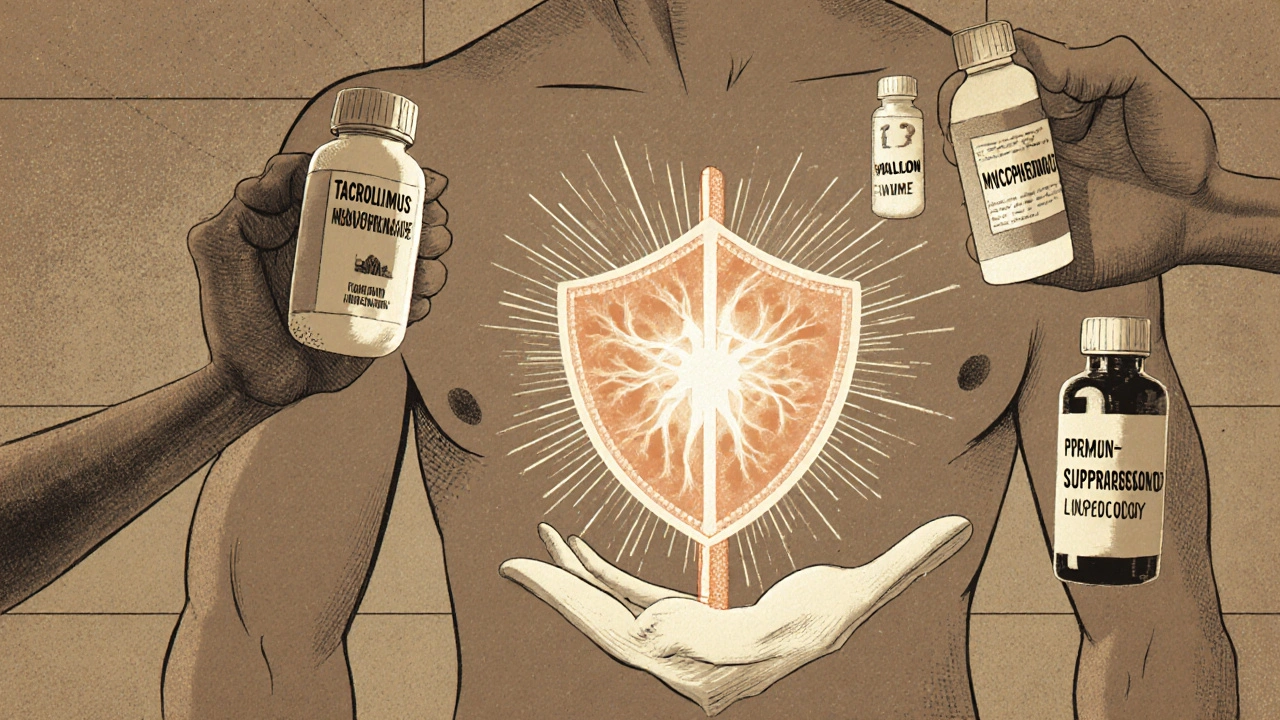
Organ Transplant Recipients: Immunosuppressant Drug Interactions and Side Effects
Organ transplant recipients must take lifelong immunosuppressant drugs to prevent rejection, but these medications carry serious side effects and dangerous drug interactions. Learn how tacrolimus, mycophenolate, and steroids impact health, what to watch for, and how modern protocols are improving outcomes.
Read MoreLatest Post
-

How Chiropractic Care Can Ease Seasonal Allergy Symptoms 16 October 2025
-

How Local Anesthesia Boosts Dental Treatment Success 29 September 2025
-
-

-