Warfarin Drug Interactions: What You Need to Know
When you take warfarin, a blood thinner used to prevent dangerous clots. Also known as Coumadin, it's one of the most common but also one of the most dangerous medications if not managed carefully. Warfarin doesn't just work on its own—it's constantly being affected by what you eat, what else you take, and even how your body changes over time. A single change—like starting a new antibiotic or eating more spinach—can throw your INR off track and lead to bleeding or clotting, both of which can be deadly.
That’s why INR monitoring, a blood test that measures how long it takes your blood to clot is so critical. Doctors use it to adjust your warfarin dose, but you can’t rely on it alone. Many common things interfere with warfarin: vitamin K, a nutrient in leafy greens that counteracts warfarin’s effect, can make it less effective if you suddenly eat more of it. On the flip side, antibiotics like amoxicillin or ciprofloxacin can boost warfarin’s effect, increasing your risk of bleeding. Even over-the-counter painkillers like ibuprofen or herbal supplements like garlic, ginkgo, or St. John’s wort can interact dangerously. It’s not just about what you take—it’s about what you stop taking, too. Stopping a medication you’ve been on for months can be just as risky as starting a new one.
These interactions aren’t theoretical. People on warfarin end up in the ER every day because they didn’t realize a new supplement or a change in diet could be dangerous. That’s why the posts below focus on real-world cases: how switching to a generic version of warfarin can require a dose tweak, how liver transplants change how your body handles blood thinners, and why even something as simple as licorice can mess with your meds. You’ll find clear advice on what to ask your pharmacist, how to spot early warning signs, and how to avoid common traps. This isn’t just about remembering to avoid cranberry juice—it’s about understanding the full picture so you can live safely with warfarin without living in fear.
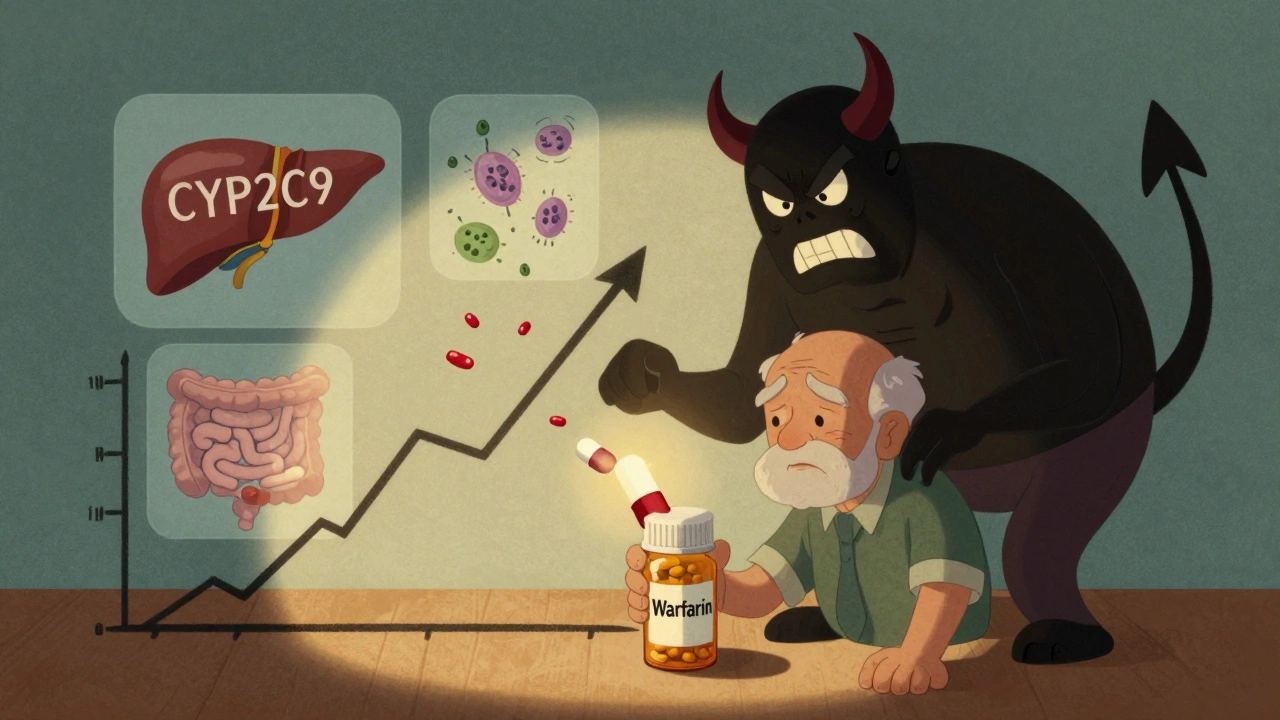
Trimethoprim-Sulfamethoxazole and Warfarin: How This Antibiotic Can Raise Your INR and Increase Bleeding Risk
Trimethoprim-sulfamethoxazole (Bactrim) can dangerously raise INR levels in people taking warfarin, increasing bleeding risk. Learn how this interaction works, who’s most at risk, and what to do if your INR spikes.
Read MoreLatest Post
-

How to Verify Dose Changes and Avoid Miscommunication in Healthcare 16 November 2025
-

-

-
Antiviral Medications: Treatment Options for Viral Infections 18 December 2025
-