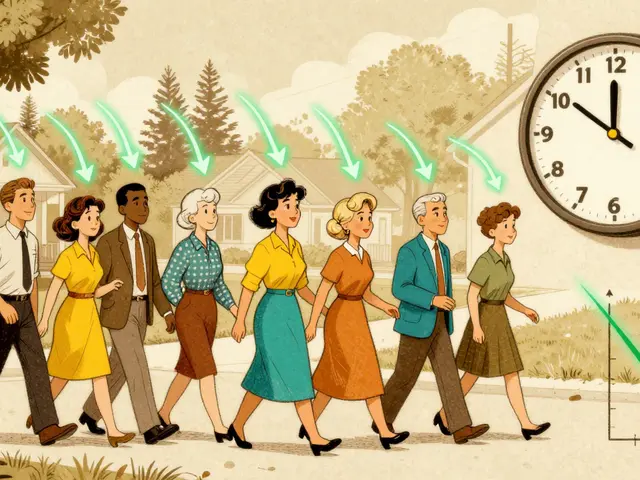
Zone Classification in Medication Safety: Understanding Risk Areas for Drugs and Treatments
When it comes to medications, not all drugs are created equal. Zone classification, a system used in pharmacies and hospitals to group medications by risk level. Also known as risk stratification, it helps staff quickly spot which drugs need extra caution—like insulin, anticoagulants, or chemotherapy agents—before they cause harm. This isn’t just paperwork. It’s a real-world tool that stops mistakes before they happen.
Think of it like traffic lights: green for low risk, yellow for caution, red for high alert. High-alert medications, drugs that can cause serious harm if used incorrectly. Also known as dangerous drugs, they include things like epinephrine, heparin, and IV potassium. These aren’t just strong—they’re unforgiving. A tiny wrong dose can kill. That’s why hospitals use zone classification to lock them in separate areas, require double checks, and ban them from automated dispensing machines unless absolutely necessary. And it’s not just about hospitals. Even community pharmacies use this system to flag risky prescriptions before they leave the counter.
Zone classification also connects to how you handle medication safety, the practices that prevent errors in prescribing, dispensing, and taking drugs. Also known as pharmaceutical safety, it includes everything from barcode scanning to asking your pharmacist the right questions. If you’ve ever seen a warning sticker on a prescription bottle that says "Verify dose with provider," that’s zone classification in action. It’s why some meds come with black box warnings, why insulin is stored separately from other injections, and why you’re asked twice if you’re taking blood thinners. The goal isn’t to scare you—it’s to make sure the system catches errors before you do.
You’ll find this concept running through posts about expired medications, drug interactions, and dose verification. Why? Because a drug’s risk level doesn’t change just because it’s old, mixed with another pill, or misread on a label. Zone classification helps tie these issues together. Whether it’s avoiding licorice with blood pressure meds, spotting joint pain from DPP-4 inhibitors, or knowing when to question a prescription label, the underlying rule is the same: some drugs demand more attention. And that’s what zone classification is for.
Below, you’ll find real stories from people who’ve been affected by these systems—whether it’s a patient who avoided liver failure by getting HBV screening before chemotherapy, or someone who caught a dangerous interaction because their pharmacist flagged a high-risk combo. These aren’t abstract rules. They’re lifesaving habits built into everyday care. And now you know why they exist.
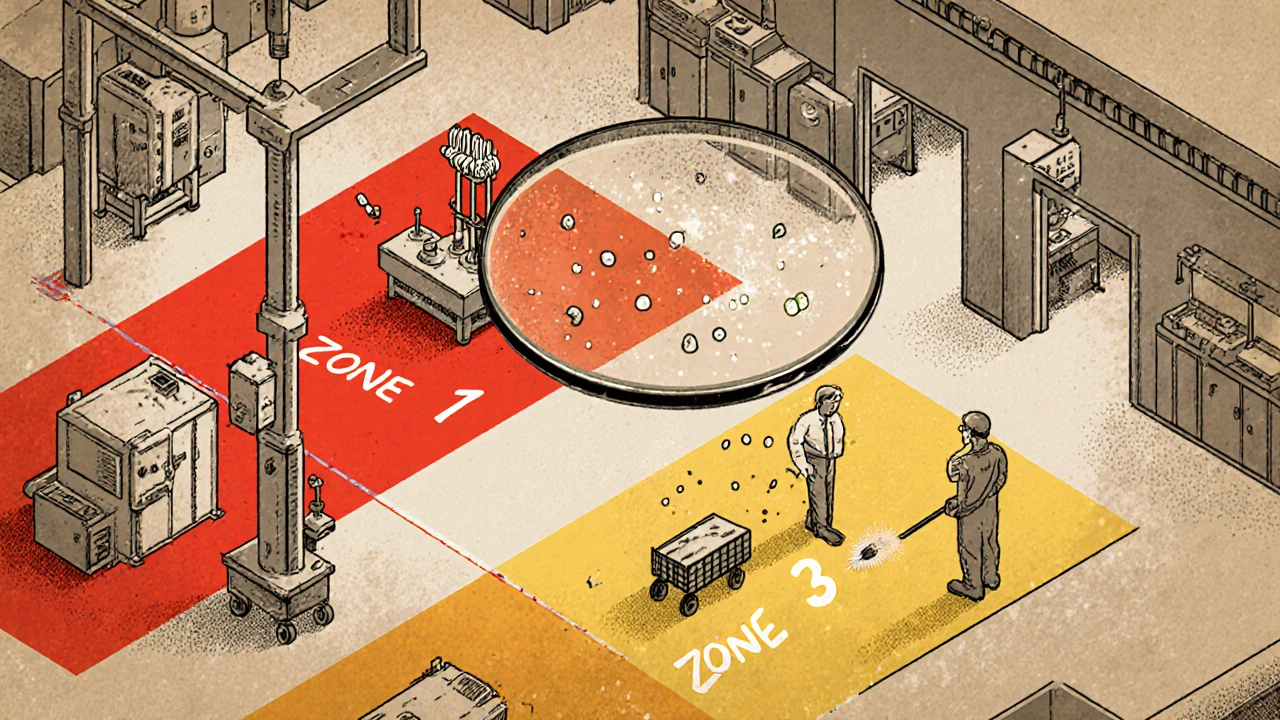
Environmental Monitoring: Testing Facilities for Contamination in Manufacturing
Environmental monitoring in manufacturing detects contamination in air, surfaces, and water before it affects products. Learn how zone-based testing, ATP swabs, and regulatory standards prevent recalls and ensure safety in pharma, food, and cosmetics.
Read MoreLatest Post
-
-
-
-
Valacyclovir Overdose: Symptoms and What to Do 2 June 2023
-