Antibiotic Potency: What It Means and Why It Matters for Your Health
When we talk about antibiotic potency, the strength of an antibiotic to kill or stop bacteria. It’s not just about how much you take—it’s whether that dose still has the power to do its job. An antibiotic that’s lost potency won’t cure your infection. Worse, it might let bacteria survive and grow stronger, leading to longer illness or even drug-resistant superbugs.
Expired antibiotics, medications past their labeled use-by date are a major risk. Not all drugs go bad the same way. Insulin, epinephrine, and liquid antibiotics like amoxicillin suspension can drop in potency fast—sometimes within weeks after opening. Even if they look fine, they may not work. Solid pills like doxycycline or ciprofloxacin might hold up longer, but that doesn’t mean they’re safe. The FDA warns against using any antibiotic past its expiration if it’s been stored poorly or looks discolored.
Drug potency, how strong a medicine is at its intended biological effect depends on storage, time, and formulation. Heat, moisture, and light all chip away at the active ingredients. That’s why your pharmacist tells you to keep antibiotics in a cool, dry place—not the bathroom medicine cabinet. Even if you didn’t finish a course, storing leftover pills for later is risky. Bacteria don’t care about your good intentions. They only care if the dose is weak enough to survive.
Antibiotic potency also ties into how your body reacts. If your doctor switches you from one brand to a generic, or from a liquid to a tablet, the absorption rate can change. That’s why some people need dose adjustments, especially with narrow therapeutic index drugs. A drop in potency isn’t always obvious. You might feel a little better, but the infection isn’t gone. That’s when resistance starts.
Manufacturers test potency during production, but once it leaves the pharmacy, you’re on your own. That’s why knowing how to spot degraded medication matters. Cloudy liquid? Strange smell? Pills that crumble? Don’t risk it. The same goes for sharing antibiotics. What worked for your friend might not work for you—and might even be dangerous.
Below, you’ll find real-world guides on what happens when antibiotics lose strength, how to handle expired meds safely, and why some drugs need extra care. These aren’t theoretical warnings. They’re based on cases where people got sicker because they didn’t know the difference between an expired pill and a working one. You’ll learn which antibiotics to throw out immediately, how to store them right, and what to do if your insurance denies coverage for a stronger version. This isn’t just about following labels. It’s about staying alive when your medicine is supposed to save you.
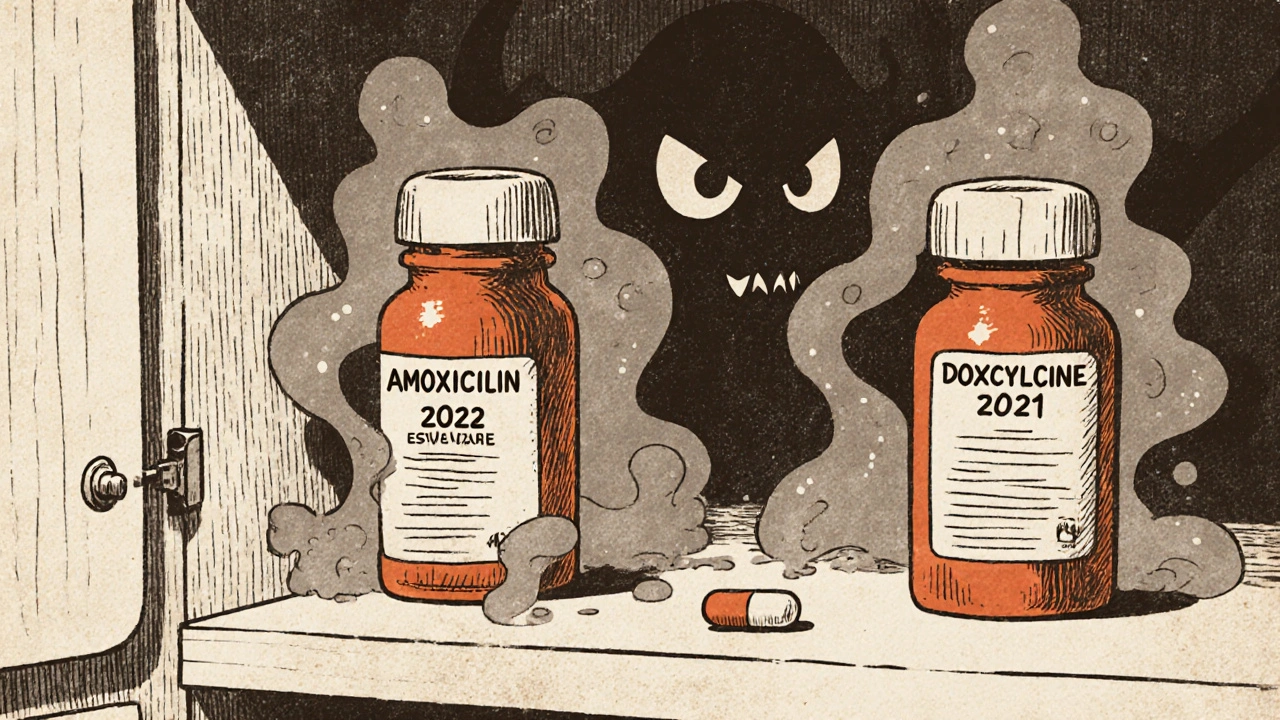
Antibiotic Effectiveness After Expiration Dates: What You Really Need to Know
Expired antibiotics may still look fine, but they often lose potency and can fuel dangerous antibiotic resistance. Learn what really happens when you take them, which types are safer, and when it's never okay.
Read MoreLatest Post
-
-
-
-

How Local Anesthesia Boosts Dental Treatment Success 29 September 2025
-