Antidotes: What They Are, How They Work, and Which Medications They Counter
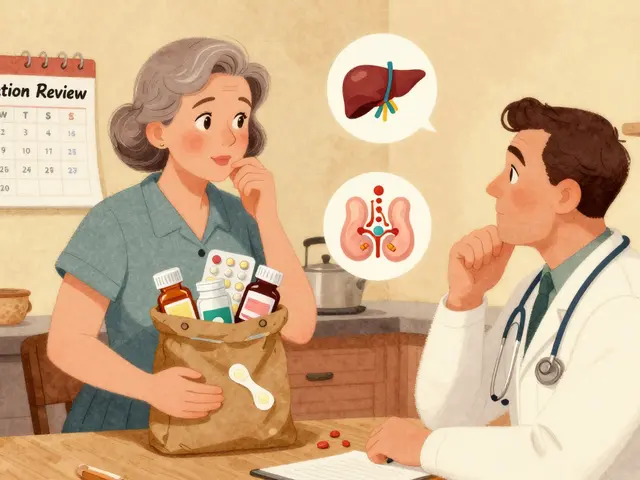
When a drug goes wrong—whether by accident, mistake, or overdose—antidotes, substances that directly reverse the harmful effects of toxins or medications. Also known as antipoisons, they are the medical equivalent of hitting the emergency brake on a runaway car. These aren’t just for Hollywood scenes. Real people rely on them every day: someone who took too much acetaminophen, a child who swallowed grandma’s blood thinner, or a patient whose heart starts racing after a bad drug interaction.
Drug overdose, the accidental or intentional intake of a toxic amount of a medication is one of the top causes of preventable death. But not all overdoses are the same. Each requires a specific antidote. For example, naloxone, a fast-acting drug that blocks opioid receptors and reverses respiratory depression can bring someone back from an opioid overdose in minutes. N-acetylcysteine, the antidote for acetaminophen poisoning works by restoring liver enzymes before permanent damage sets in. And vitamin K, used to reverse the effects of warfarin when INR levels spike dangerously high, is critical for preventing uncontrolled bleeding.
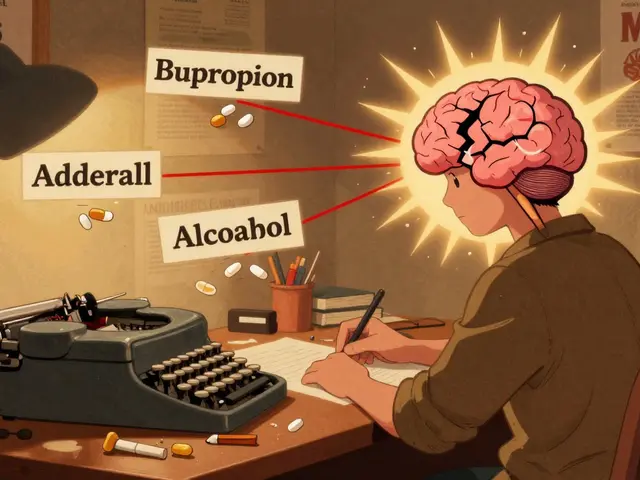
Antidotes aren’t just for accidental overdoses. They also play a role in managing medication interactions, when two or more drugs combine to create unexpected, dangerous effects. For instance, if someone on warfarin takes Bactrim, their blood can become too thin. If they’re on statins and eat grapefruit, muscle damage can follow. These aren’t theoretical risks—they show up in ERs, clinics, and home kitchens. That’s why knowing what antidotes exist—and when to use them—isn’t just for doctors. It’s for anyone who takes medication regularly.
Some antidotes are simple, like activated charcoal to trap toxins in the gut. Others require IV drips, hospital stays, or complex monitoring. But they all share one thing: timing matters. The longer you wait, the less effective they become. That’s why recognizing early signs of toxicity—like confusion, vomiting, irregular heartbeat, or sudden drowsiness—is just as important as knowing the antidote itself.
What you’ll find below isn’t a textbook. It’s a real-world collection of stories, warnings, and practical guides about how medications go wrong, how they’re fixed, and how you can protect yourself. From how to spot a dangerous drug interaction to what to do when your prescription label doesn’t tell you enough, these posts give you the tools to act before it’s too late.
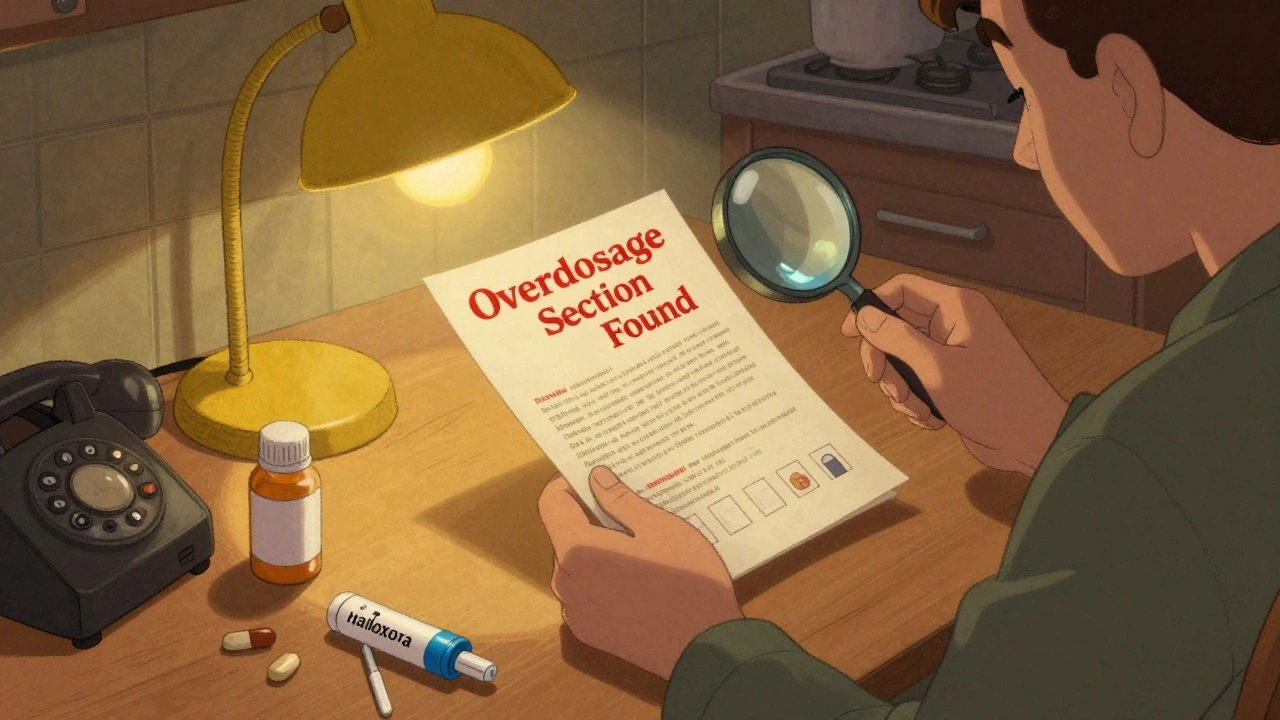
How to Read Medication Guides for Overdose Warnings and Antidotes
Learn how to read medication guides to spot overdose warnings and locate antidotes like naloxone. This guide shows you exactly where to look, what to do, and why it could save a life.
Read More