
Indian Generic Drugs
When you buy a generic drug made in India, you're often getting the same active ingredient as the brand-name version—but at a fraction of the cost. Indian generic drugs, pharmaceutical products manufactured in India under strict regulatory oversight and sold globally under generic names. Also known as off-patent medications, they make up over 60% of the world’s generic supply and are used in everything from HIV treatment to blood pressure control. These drugs aren’t cheap because they’re low quality—they’re affordable because India’s patent laws allow local companies to produce versions of expired brand-name drugs without paying licensing fees. This system, combined with efficient manufacturing and lower labor costs, lets Indian producers offer medications at prices 80-90% lower than in the U.S. or Europe.
But not all generics are the same. For drugs with a narrow therapeutic index (NTI), medications where small changes in dose can cause serious side effects or treatment failure—like warfarin, levothyroxine, or phenytoin—even tiny differences in how the generic is formulated can matter. That’s why some doctors adjust doses when switching to an Indian-made generic, even if it’s FDA-approved. The FDA requires bioequivalence testing, but real-world use sometimes reveals subtle variations in absorption or stability. That’s also why you’ll find posts here about drug interactions, how one medication affects another in the body—like how an Indian-made antibiotic can spike INR levels when taken with warfarin—or why storing inhalers or insulin properly matters just as much whether the drug came from India or the U.S.
Indian generic drugs aren’t just about price. They’re about access. They’re the reason millions in low-income countries get life-saving HIV meds, antibiotics, and insulin. They’re why Medicare patients can stay on their prescriptions under the $2,000 out-of-pocket cap. And they’re why insurance companies push for generic substitution—unless a drug is non-formulary and gets denied. But knowing when to trust them and when to double-check is key. You’ll find real advice here on how to spot red flags, what questions to ask your pharmacist, and how to appeal coverage denials. This isn’t theory. It’s what people actually use to manage their health safely and affordably.
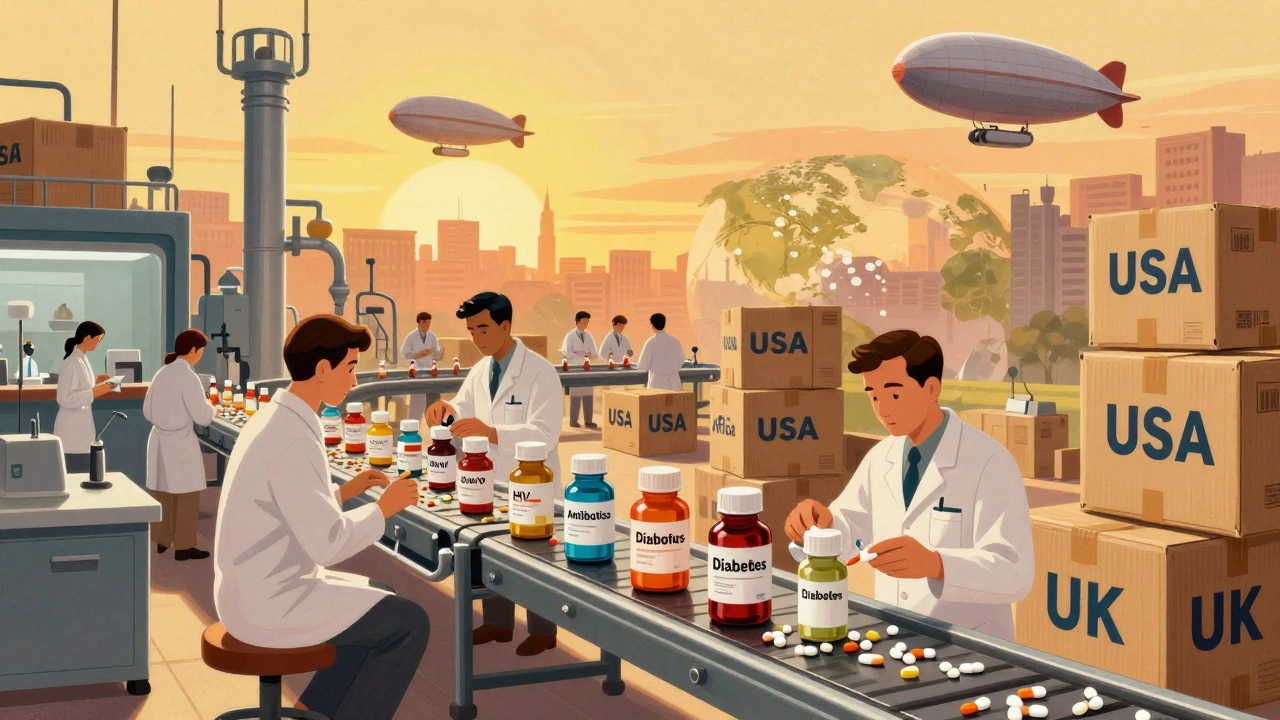
Indian Generic Manufacturers: The World's Pharmacy and Exports
India produces 20% of the world's generic medicines and over 60% of its vaccines. Learn how low-cost, high-quality manufacturing made it the global pharmacy - and what's next for its billion-dollar industry.
Read MoreLatest Post
-
-

Cold-Induced Urticaria: Hives After Cold Exposure 11 February 2026
-

-
-
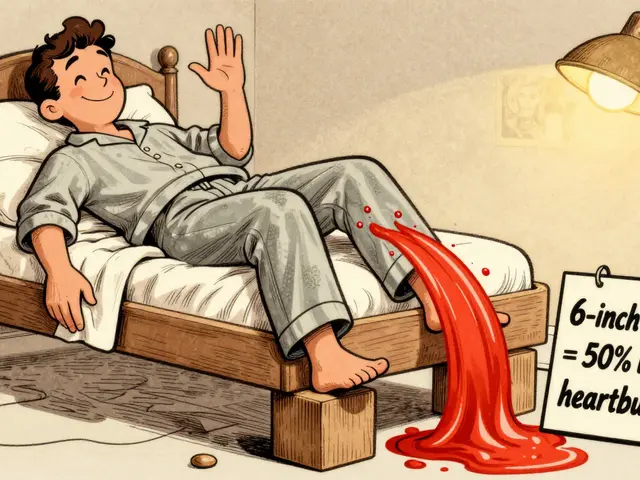
GERD Management: Diet, Lifestyle, and Acid Reflux Medications 26 January 2026