
Patient Education: Understand Your Medications, Avoid Risks, and Take Control
When it comes to your health, patient education, the process of giving people clear, practical knowledge about their medications and conditions so they can make informed decisions. Also known as health literacy, it’s not just about reading pamphlets—it’s about knowing what to ask, when to worry, and how to spot a hidden danger in your pill bottle. Too many people take their prescriptions without understanding why they’re taking them, how they interact with other drugs, or what side effects to watch for. That’s where patient education makes the difference between safe use and serious harm.
Take drug interactions, when two or more medications affect each other in ways that can reduce effectiveness or cause dangerous side effects. For example, taking Bactrim with warfarin can spike your INR and put you at risk for internal bleeding. Or consider how generic drugs, lower-cost versions of brand-name medications that must meet the same FDA standards for safety and effectiveness can sometimes need dose adjustments—especially for drugs like levothyroxine or phenytoin, where tiny changes in formulation can throw your whole system off. These aren’t theoretical risks. People get hospitalized because no one explained them.
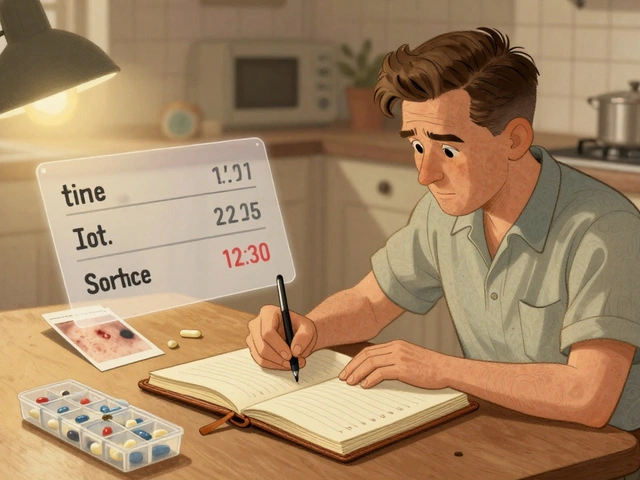
And it’s not just about pills. side effect management, the practice of recognizing, tracking, and responding to unwanted reactions from medications is a skill you can build. Keeping a symptom diary for drug reactions? That’s patient education in action. Knowing how to read a Medication Guide from the FDA? That’s patient education too. Understanding why your insurance denied a generic, or why your inhaler must be stored at room temperature? All part of the same picture. This isn’t about memorizing medical jargon. It’s about learning what matters to you: When should you call your doctor? What symptoms are normal? What’s an emergency?
Some of the most powerful moments in medicine happen when patients speak up. Like when people demanded affordable HIV drugs in the 90s—turning zidovudine from a luxury into a lifeline. Or when transplant recipients learned how to spot the early signs of tacrolimus toxicity before it damaged their kidneys. These aren’t stories from textbooks. They’re real people using patient education to change outcomes.
You don’t need a medical degree to protect yourself. You just need to know what to look for. That’s what this collection is for. Below, you’ll find clear, no-fluff guides on how to track side effects, avoid dangerous interactions, understand your insurance formulary, and spot when a generic isn’t working the same way. Whether you’re managing high blood pressure, diabetes, or just trying not to take expired antibiotics, these posts give you the tools to ask better questions, make smarter choices, and stay in control of your health—every single day.

Pharmacist Counseling Scripts: Training Materials for Generic Patient Talks
Pharmacist counseling scripts ensure patients understand their medications, improve adherence, and meet legal requirements. Learn the core structure, best practices, and how to adapt scripts for real-world pharmacy settings.
Read MoreLatest Post
-
-
How to Keep a Symptom Diary for Suspected Drug Reactions 4 December 2025
-

-
Seroquel vs Alternatives: Which Antipsychotic Fits You Best 10 October 2025
-
When to Avoid a Medication Family After a Severe Drug Reaction 17 November 2025