Pharmacist Counseling Scripts: What Works and How to Use Them
When you pick up a prescription, pharmacist counseling scripts, structured conversations pharmacists use to explain medications and reduce risks. Also known as medication therapy management, they’re not just busywork—they’re the moment a drug becomes safe and effective for you. Too many people leave the pharmacy confused, scared, or just plain overwhelmed. A good script turns that confusion into clarity. It’s not about reading from a manual. It’s about asking the right questions, listening to what the patient really needs, and cutting through the noise of side effect lists and insurance jargon.
These scripts aren’t one-size-fits-all. A script for someone on warfarin needs to cover diet, bleeding signs, and INR checks. A script for someone getting immunosuppressant drugs, medications that prevent organ rejection after transplant must explain infection risks and drug interactions. And for someone switching to a generic drug, a lower-cost version of a brand-name medicine like levothyroxine, the script has to address why even tiny formulation changes can throw off their dose. These aren’t theoretical concerns. They show up in real stories—patients who ended up in the ER because they didn’t know their antibiotic could spike their INR, or who stopped their blood pressure pill because they thought the new pill looked different and must be wrong.
What makes a script work? It’s simple: it’s honest, it’s short, and it’s focused on what the patient actually needs to do. No jargon. No reading the entire FDA label aloud. Instead: "This medicine can make you dizzy. Don’t drive until you know how it affects you." Or: "If you miss a dose, take it as soon as you remember—but if it’s almost time for the next one, skip it. Don’t double up." The best scripts tie into what’s already in the patient’s life. They mention the pill organizer they use, the grocery store where they buy their grapefruit, or the grandkid they’re trying to stay healthy for. That’s when advice sticks.
And it’s not just about the script itself—it’s about the timing. Counseling works best when it happens before the first dose, not after the side effects start. That’s why so many of the posts here focus on medication safety—tracking symptoms, reading labels, asking questions at the pharmacy. These aren’t just tips. They’re survival skills. You don’t need to be a doctor to protect yourself. You just need to know what to ask, when to speak up, and how to spot the red flags.
Below, you’ll find real guides that show how these conversations play out in practice—from how to keep a symptom diary when something feels off, to what to do when your insurance denies a generic, to how to read a medication guide without getting lost in fine print. These aren’t theory pieces. They’re tools you can use the next time you walk out of the pharmacy with a new prescription in hand.

Pharmacist Counseling Scripts: Training Materials for Generic Patient Talks
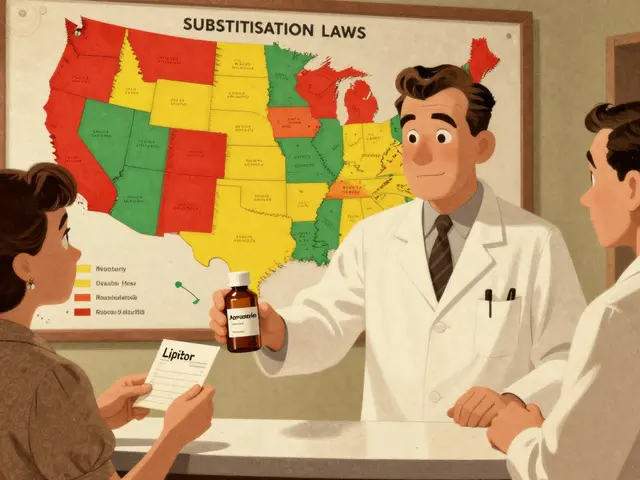
Pharmacist counseling scripts ensure patients understand their medications, improve adherence, and meet legal requirements. Learn the core structure, best practices, and how to adapt scripts for real-world pharmacy settings.
Read MoreLatest Post
-

Iverheal: Uses, Safety, Dosage, and Real-World Facts 28 June 2025
-
-

Cold-Induced Urticaria: Hives After Cold Exposure 11 February 2026
-

-