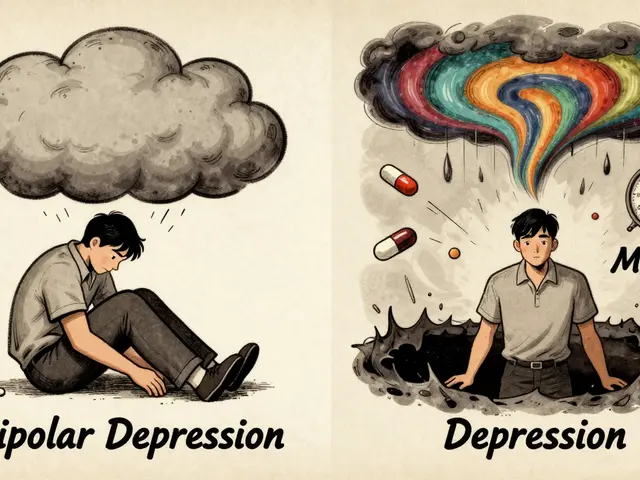
Risk Interpretation: Understanding Drug Dangers, Side Effects, and Real-World Warnings
When you hear risk interpretation, the process of understanding how likely a drug is to cause harm and how serious that harm might be. Also known as drug risk assessment, it’s not just for doctors—it’s something every patient needs to do for themselves. Too many people read a prescription label and assume the worst-case scenario won’t happen to them. But risk interpretation is about recognizing patterns: which side effects are common, which are rare but deadly, and which ones you can actually prevent by asking the right questions.
Take immunosuppressant drugs, medications that stop the body from rejecting transplanted organs but also weaken the immune system. They’re life-saving, but they don’t come with a warning label that says "you might get a deadly infection." You have to connect the dots: if you’re on tacrolimus and start running a low fever for days, that’s not just a cold—it’s a red flag. Same with DPP-4 inhibitors, a class of diabetes drugs that can cause severe joint pain. The FDA issued a warning, but most patients don’t know to link their aching knees to their morning pill. And licorice, a common herbal supplement that can dangerously raise blood pressure and lower potassium, isn’t even listed as a drug—yet it messes with your meds just like a prescription would.
Real risk isn’t just in the fine print. It’s in how your body reacts over time, what you’re eating or taking alongside your pills, and whether you’re being monitored properly. HBV reactivation after chemotherapy? That’s preventable—if you get tested first. Expired insulin? It doesn’t just stop working—it can kill you. And if you’ve been told you’re allergic to a whole drug family because of one bad reaction, you might be avoiding treatments you could safely use. Risk interpretation means asking: "Is this really dangerous, or am I being overcautious?" It’s not about fear. It’s about clarity.
Below, you’ll find real stories and practical guides from people who’ve been there—how to read FDA medication guides, what to ask your pharmacist, how to spot hidden interactions, and when to push back when something doesn’t feel right. These aren’t theoretical warnings. They’re lessons learned the hard way. And you don’t have to learn them the same way.
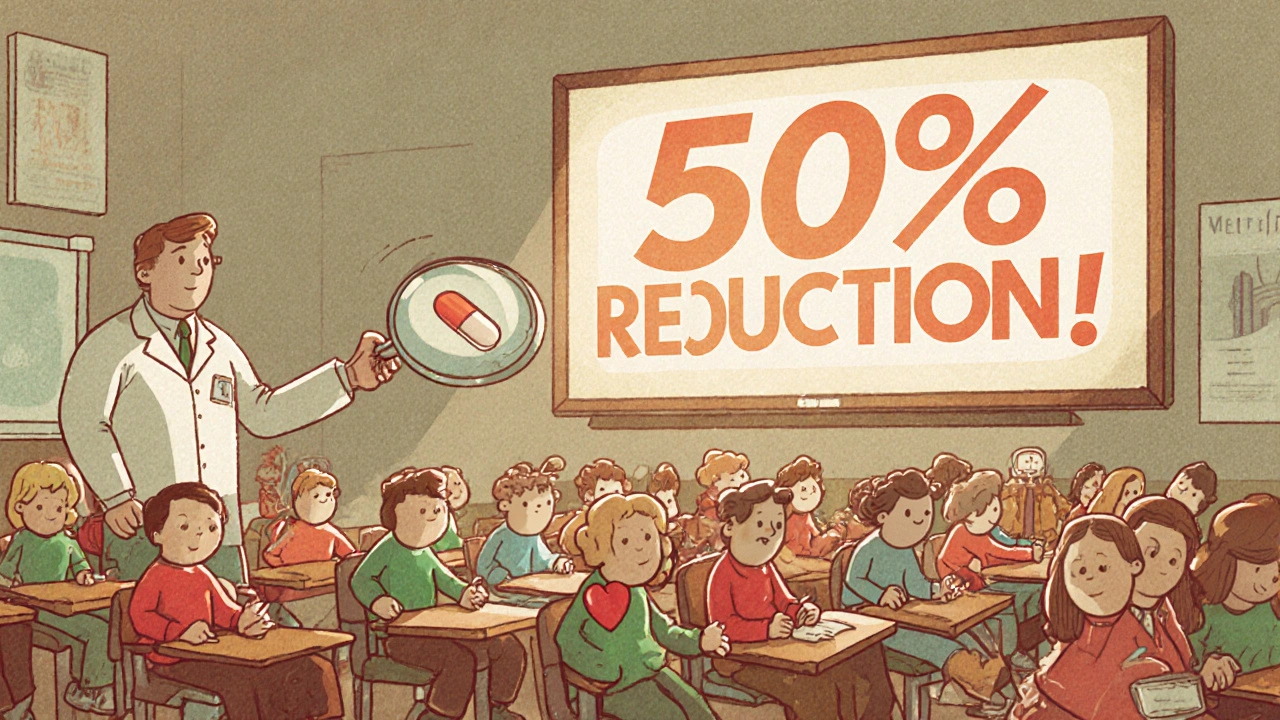
Absolute Risk vs Relative Risk in Drug Side Effects: How to Interpret the Numbers
Learn how to read drug risk numbers correctly by understanding the difference between absolute and relative risk. Stop being misled by pharmaceutical ads and make smarter decisions about your health.
Read MoreLatest Post
-

-

Feverfew and Anticoagulants: Understanding the Bleeding Risk 28 February 2026
-

-
Discount codes for on the internet pharmacy apostrophe.com 27 October 2023
-