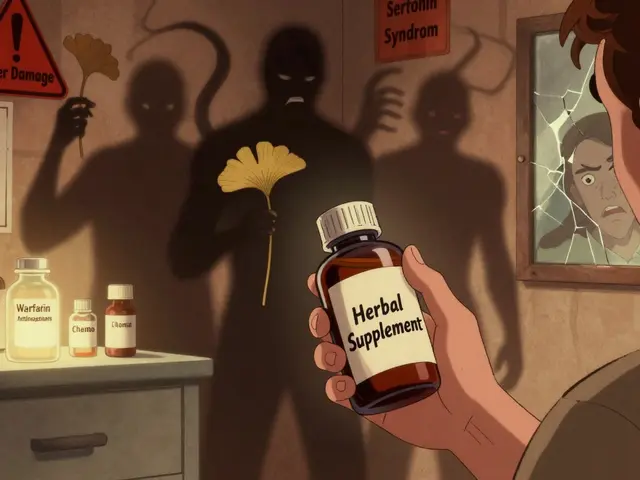
Medication Safety: Protect Yourself from Dangerous Interactions and Side Effects
When you take a medication, a substance used to treat, cure, or prevent disease. Also known as prescription drug, it can save your life—but only if you understand how to use it safely. Too many people think taking meds is simple: pop a pill, feel better. But the real risk isn’t the drug itself—it’s what happens when it mixes with other drugs, foods, or even supplements you didn’t think mattered.
Take drug interactions, when two or more substances change how each other works in your body. Also known as medication interactions, they’re behind many hospital visits. Licorice might seem harmless, but it can tank your potassium levels and make your blood pressure meds useless. DPP-4 inhibitors for diabetes? They’ve been linked to severe joint pain that doesn’t go away until you stop taking them. And if you’re on chemotherapy or biologics, you could be at risk for HBV reactivation—a liver crisis you never saw coming unless you got tested first. These aren’t rare edge cases. They’re everyday dangers hiding in plain sight.
side effects, unintended reactions to medication that range from annoying to deadly. Also known as adverse drug reactions, they’re often dismissed as "normal"—but they shouldn’t be. Itchy skin? Maybe it’s an allergy. Joint pain? Not just aging. Hearing loss? Could be from a drug, not just noise. And if you’re switching pharmacies or buying meds online, you’re adding another layer of risk. Fake pills, wrong dosages, missing warnings—they’re out there. Medication safety isn’t just about your doctor’s advice. It’s about asking questions, checking labels, knowing what’s in your cabinet, and speaking up when something feels off.
You’ll find real stories here—like how patient activism forced HIV drugs to become affordable, or how a simple switch from Tylenol to ibuprofen could mean the difference between healing and harm. We cover what to watch for when taking gabapentin, lisinopril, or even Dramamine. We show you how to spot dangerous combinations, what to tell your pharmacist when transferring prescriptions, and why "natural" doesn’t mean safe. This isn’t theory. It’s what people actually run into—and how they survived it.
How to Create a Food and Medication Interaction Checklist at Home
Learn how to create a vital home checklist for tracking food and medication interactions to prevent dangerous adverse events and manage health safely.
Read More
Large Print and Accessible Prescription Labels for Low Vision: A Complete Guide
A comprehensive guide to large print and accessible prescription labels for low vision. Learn about legal requirements, label types, technical specs, and how to request them at your pharmacy to improve medication safety.
Read More
Post-Menopausal Women and Medication Changes: Safety Considerations
Post-menopausal women face unique medication risks due to hormonal shifts, slower metabolism, and polypharmacy. Learn how hormone therapy, common drugs, and deprescribing impact safety-and what steps to take now.
Read More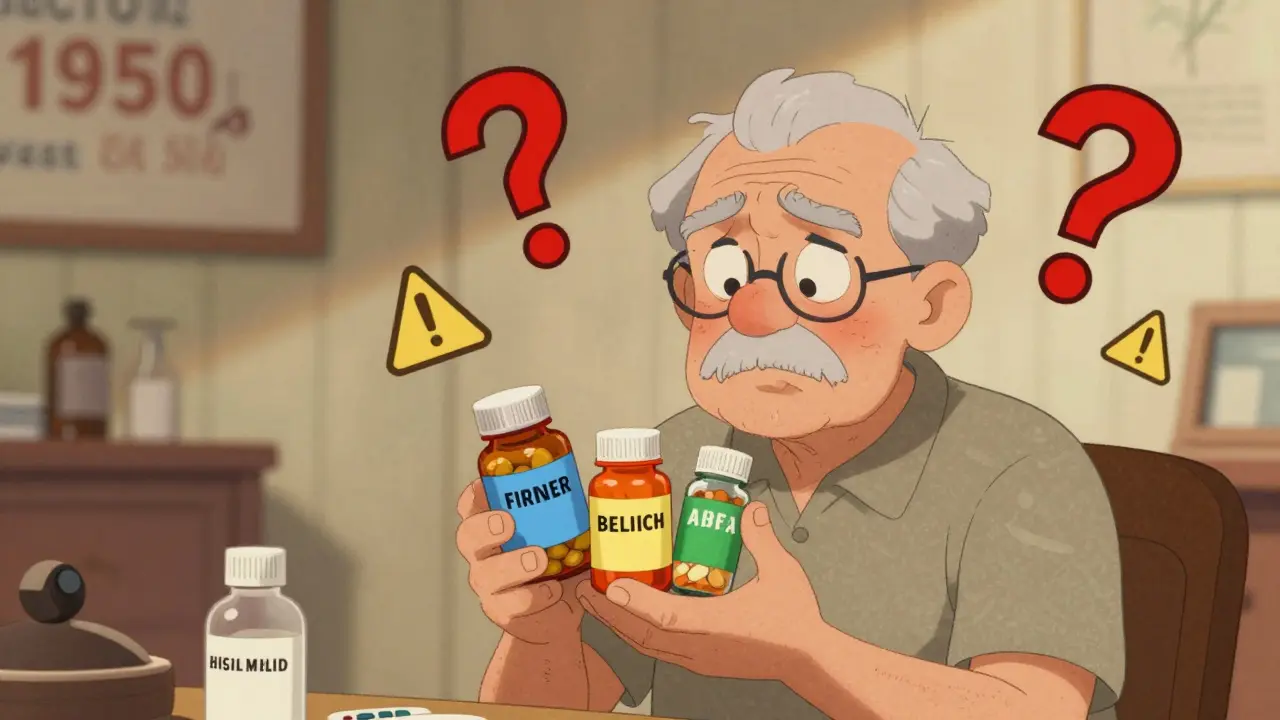
Medication Safety Statistics: What Patients Need to Know to Avoid Harm
Medication errors harm over 1.5 million Americans yearly. Learn the real statistics, who’s most at risk, and what you can do to protect yourself from dangerous drug mistakes.
Read More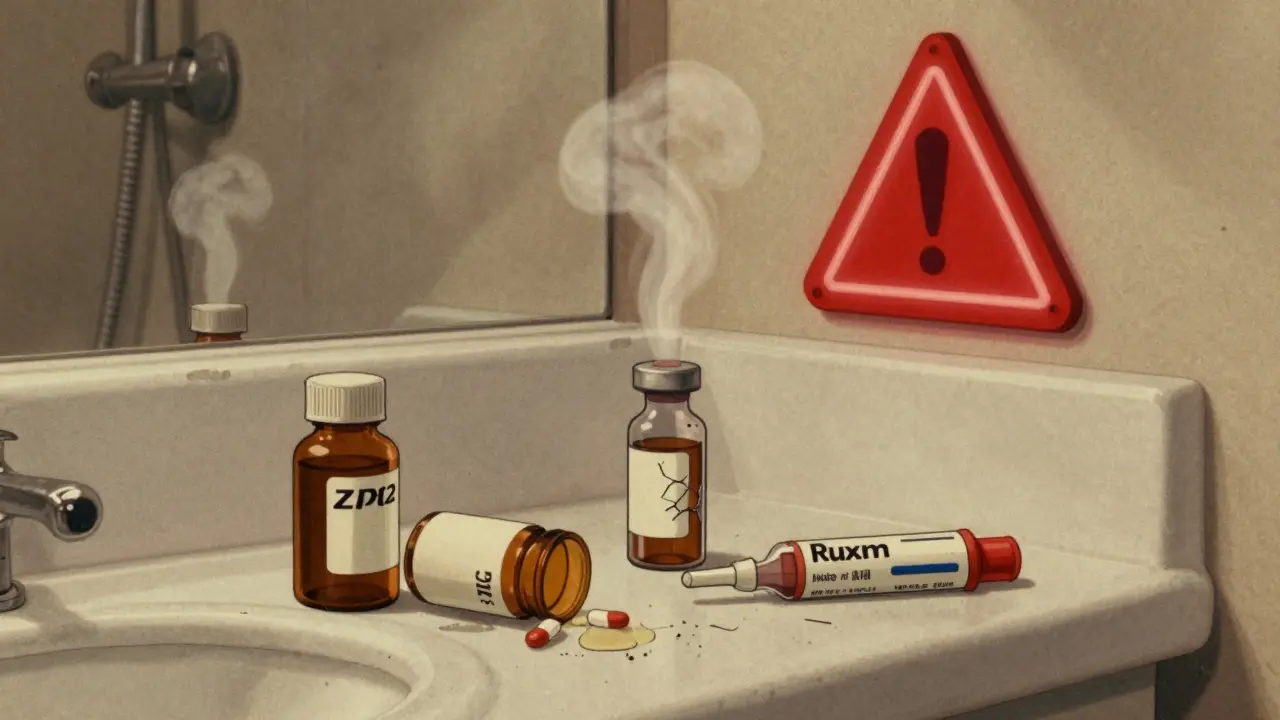
When Expired Medications Become Toxic and Dangerous: What You Need to Know
Most expired medications are safe but less effective-but a few, like insulin and nitroglycerin, can become dangerous. Learn which drugs to never use past their date and how storage affects their safety.
Read More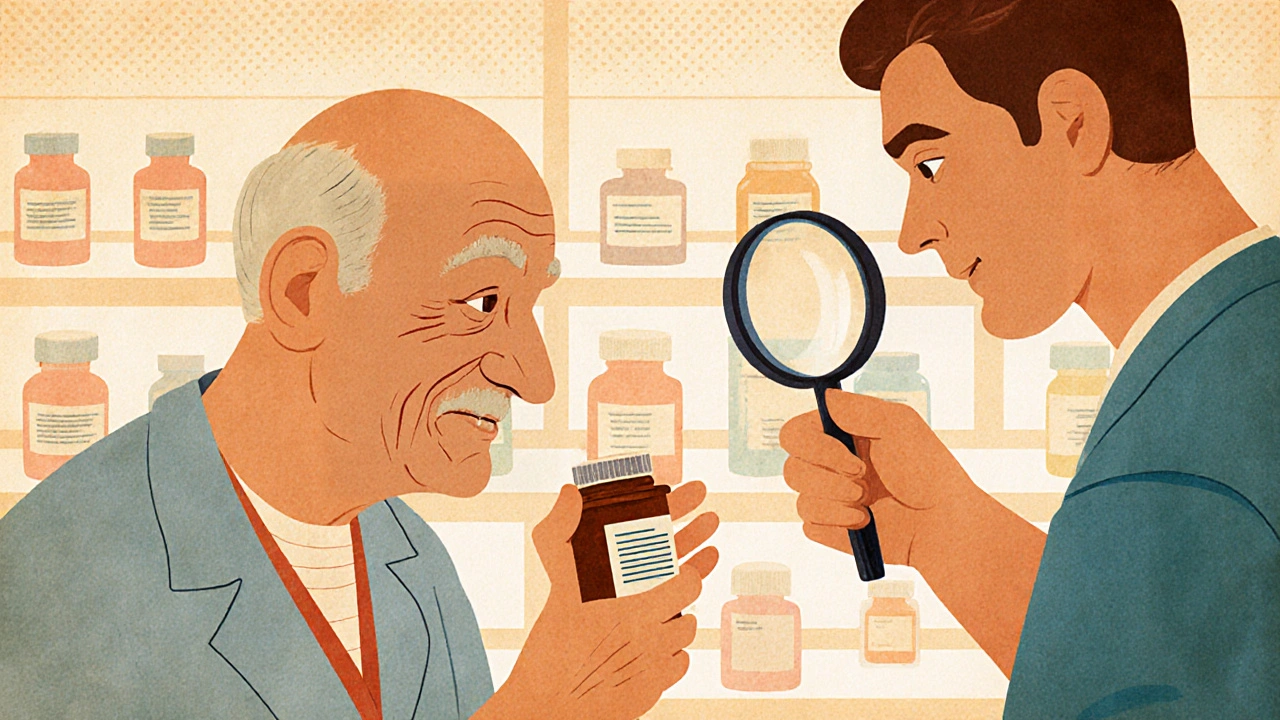
Questions to Ask About Your Prescription Label at the Pharmacy
Learn the key questions to ask about your prescription label at the pharmacy to avoid dangerous mistakes. From storage to side effects, knowing what to ask can save your life.
Read More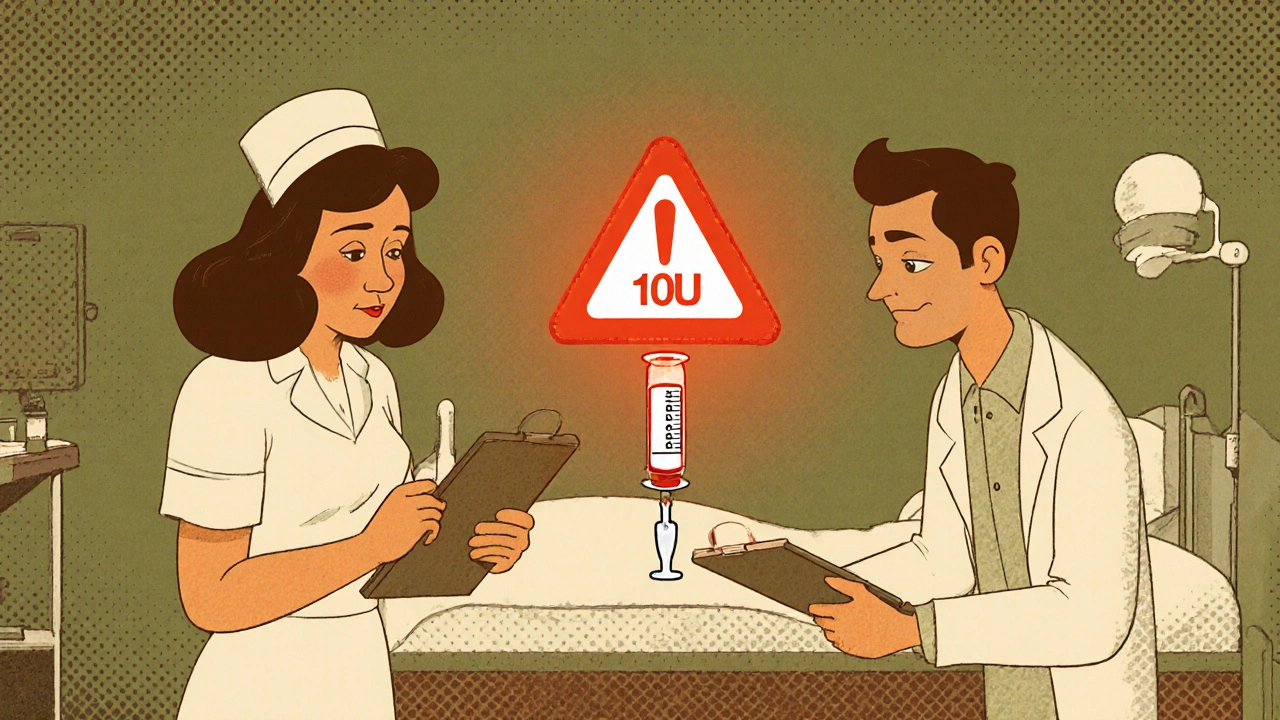
How to Verify Dose Changes and Avoid Miscommunication in Healthcare
Learn how to verify medication dose changes safely using proven protocols like independent double checks, SBAR communication, and targeted barcode scanning to prevent deadly errors in healthcare settings.
Read MoreLatest Post
-

-
-

When Doctors Adjust Doses After Switching to Generic Medications 28 November 2025
-
-