Medication Safety and Transplant Care in November 2025
When you’re taking immunosuppressant drugs, medications that prevent your body from rejecting a transplanted organ. Also known as anti-rejection drugs, they keep your immune system from attacking the new liver, kidney, or heart—but they also make you vulnerable to infections, drug interactions, and long-term side effects. This was one of the biggest themes in November 2025, with deep dives into how drugs like tacrolimus and mycophenolate interact with everyday supplements, antibiotics, and even herbal teas. People who’ve had transplants aren’t just managing one condition—they’re juggling a whole system of risks, and knowing what to watch for can mean the difference between staying healthy and ending up back in the hospital.
Another major cluster of posts focused on generic drug dose adjustment, when switching from brand-name to generic versions of certain medications requires careful monitoring. This isn’t about cost—it’s about precision. Drugs like warfarin, levothyroxine, and phenytoin have a narrow therapeutic index, meaning even tiny changes in how your body absorbs the drug can cause dangerous drops or spikes in blood levels. Insurance companies push generics to save money, but if you’re on one of these high-risk meds, your dose might need tweaking. And if your pharmacy switches your pill without telling you? That’s not just inconvenient—it’s risky. Meanwhile, expired medications, drugs past their printed expiration date. Also known as out-of-date pills, are often assumed to be harmless—but some, like insulin, epinephrine, and liquid antibiotics, can lose potency fast or even break down into toxic compounds. We looked at what’s safe to keep and what you should throw out immediately. And then there’s liver transplantation, a life-saving surgery for people with end-stage liver disease. It’s not just about finding a donor—it’s about understanding MELD scores, who qualifies, and what lifelong immunosuppression really means for your daily life. These aren’t isolated topics. They’re all connected: a transplant patient might be on immunosuppressants, which interact with expired antibiotics, while their insurance denies coverage for a needed generic combo pill for high blood pressure.
What you’ll find below isn’t just a list of articles—it’s a practical toolkit. Whether you’re a transplant recipient, someone managing diabetes or high blood pressure with generics, or just trying to understand why your prescription label says "take with food" or "avoid licorice," these posts give you the real facts. No fluff. No marketing spin. Just what you need to know to ask the right questions, spot red flags, and protect your health.
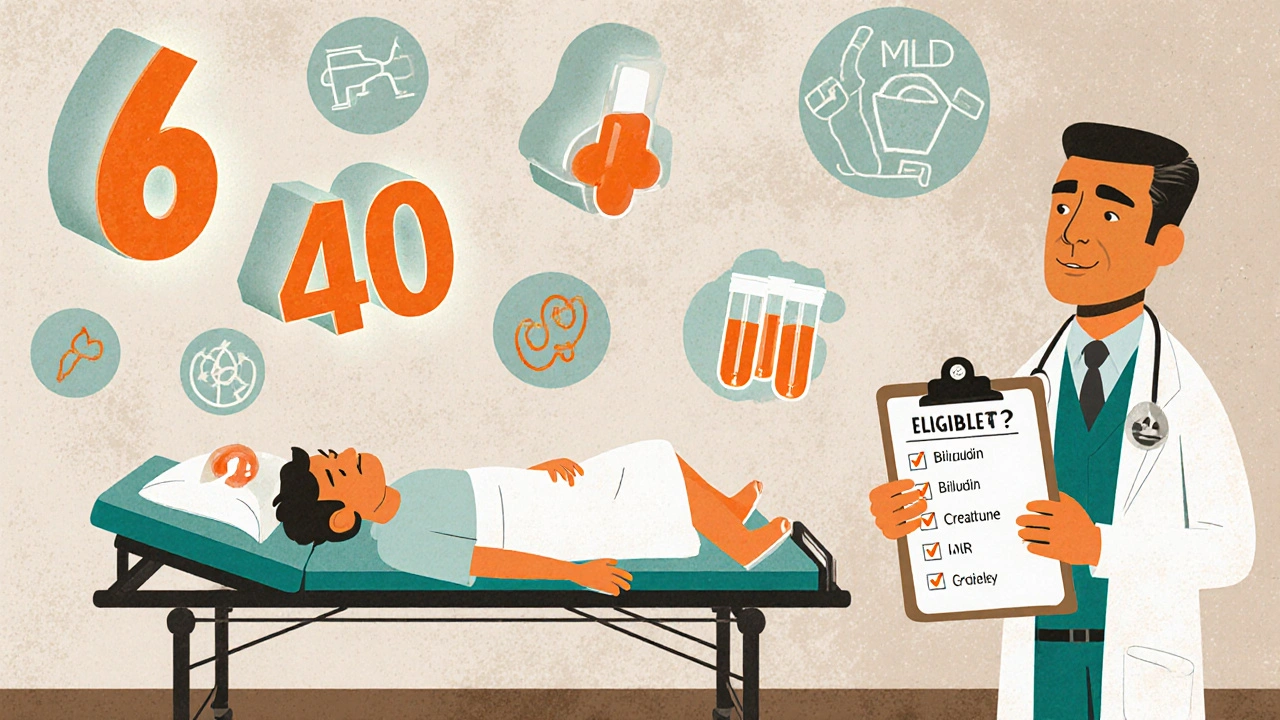
Liver Transplantation: Eligibility, Surgery, and Immunosuppression Explained
A comprehensive guide to liver transplantation, covering eligibility criteria, surgical procedures, and lifelong immunosuppression needs. Learn how MELD scores, donor types, and medication regimens impact survival and quality of life.
Read More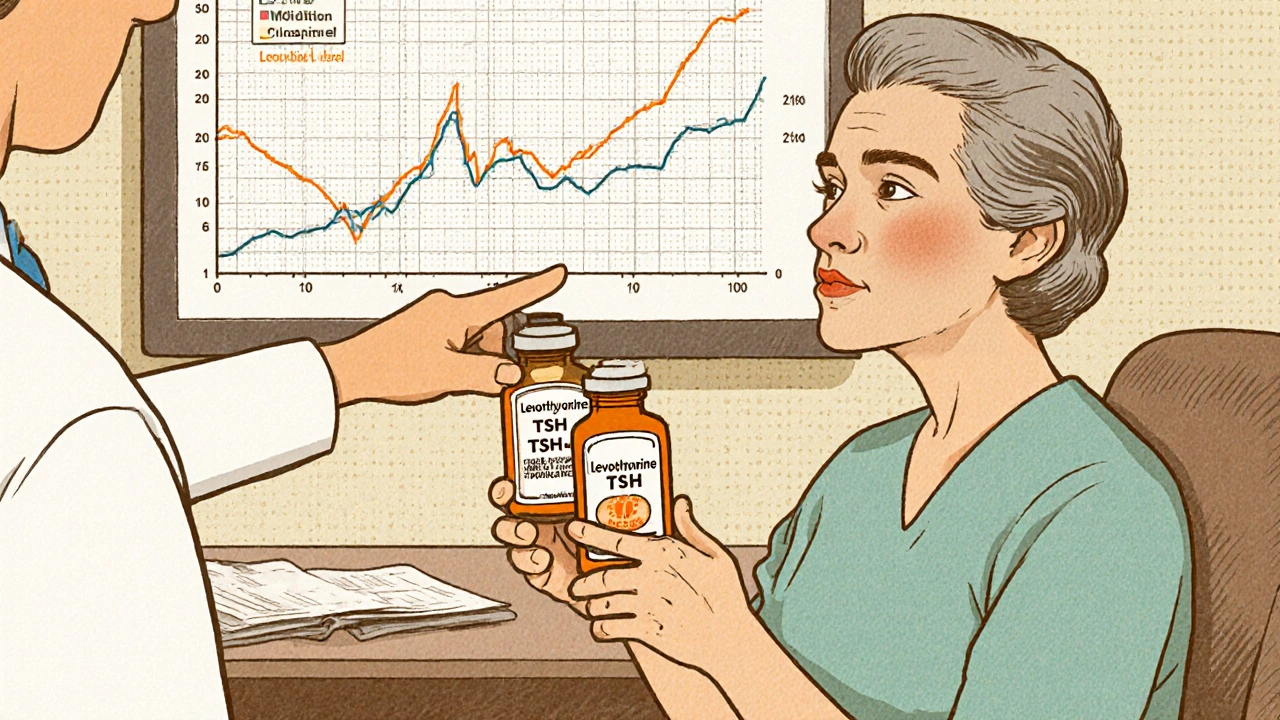
When Doctors Adjust Doses After Switching to Generic Medications
Switching to generic medications can be safe-but not for all drugs. For narrow therapeutic index drugs like levothyroxine and warfarin, even small changes in formulation can require dose adjustments. Here’s what you need to know.
Read More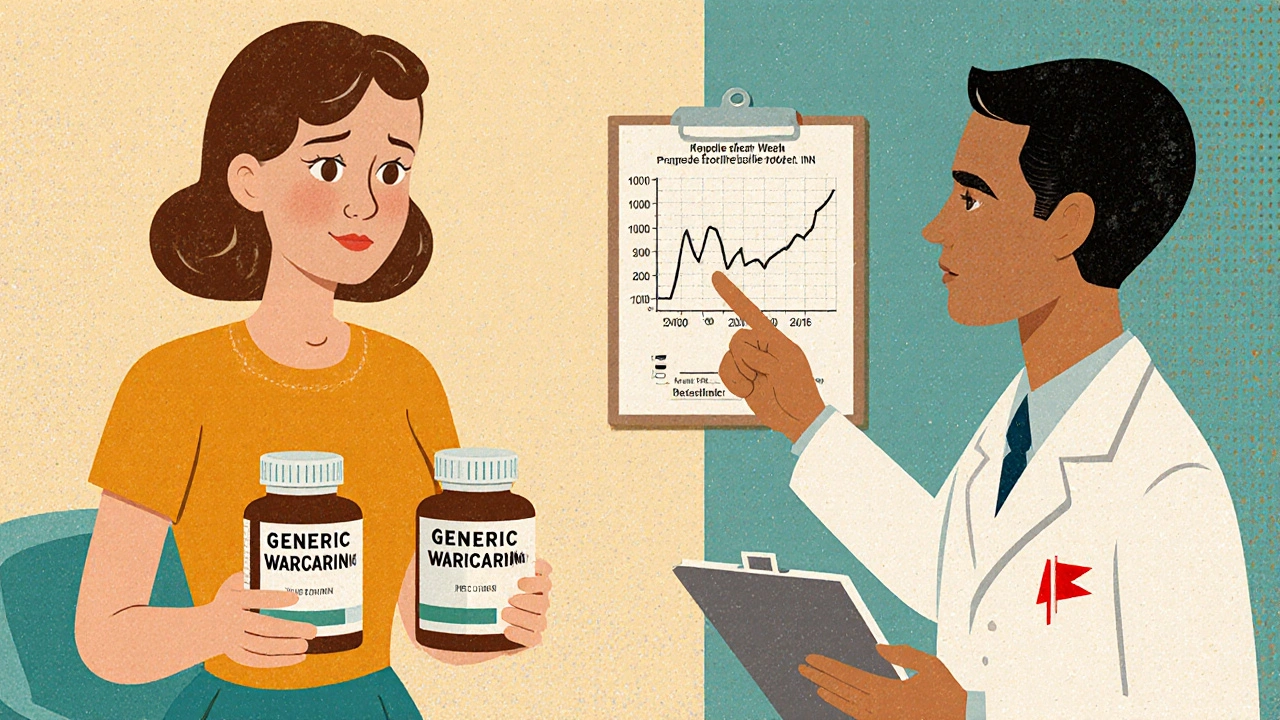
When Doctors Adjust Doses After Switching to Generic Medications
Switching to generic medications can be safe-but for certain drugs like warfarin, levothyroxine, and phenytoin, even small changes can cause serious side effects. Learn when dose adjustments are needed and how to protect yourself.
Read More
Antibiotic Effectiveness After Expiration Dates: What You Really Need to Know
Expired antibiotics may still look fine, but they often lose potency and can fuel dangerous antibiotic resistance. Learn what really happens when you take them, which types are safer, and when it's never okay.
Read More
Non-formulary generics: what to do when coverage is denied
When your insurance denies coverage for a generic drug, you’re not out of options. Learn how to appeal non-formulary generic denials using federal exceptions processes, clinical documentation, and state-specific rights to get the medication you need.
Read More
Antihypertensive Combination Generics: What’s Available and How to Get It
Learn which antihypertensive combination generics are available, how much they cost, why insurance might not cover them, and how to get the right one for your needs. Practical guide for patients managing high blood pressure.
Read More
Absolute Risk vs Relative Risk in Drug Side Effects: How to Interpret the Numbers
Learn how to read drug risk numbers correctly by understanding the difference between absolute and relative risk. Stop being misled by pharmaceutical ads and make smarter decisions about your health.
Read More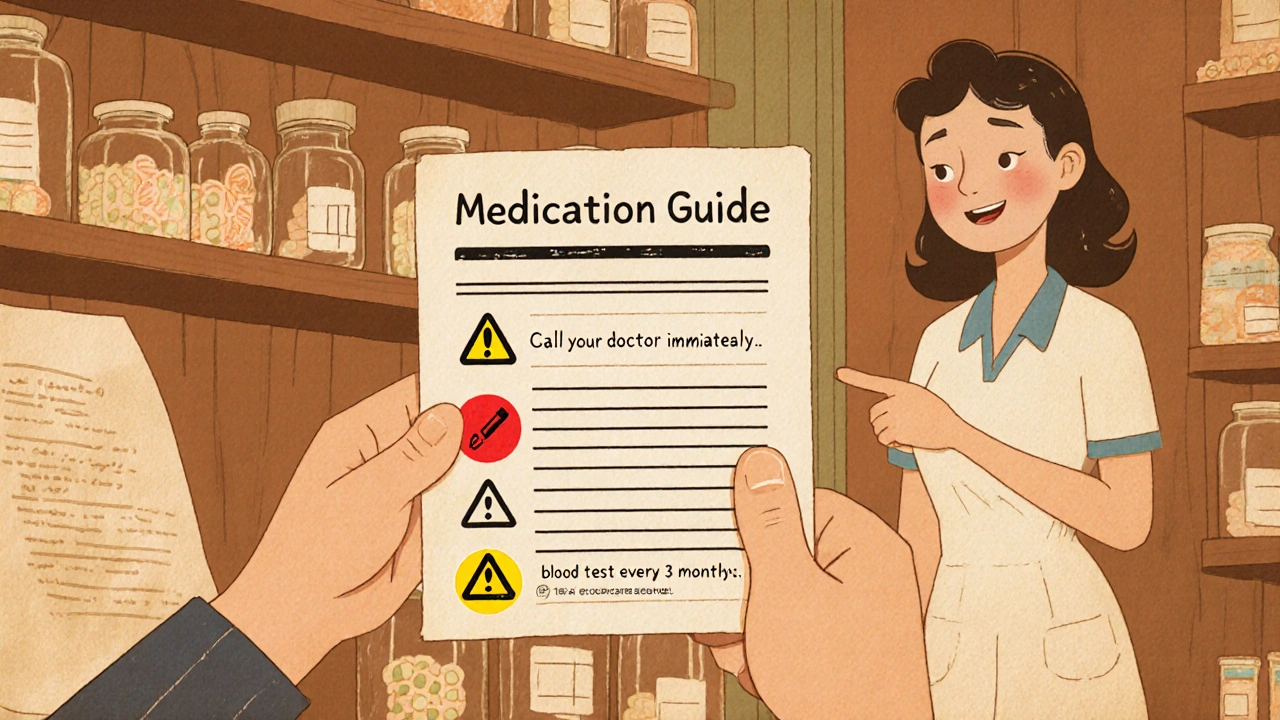
How to Read Medication Guides for Risk and Monitoring Advice
Learn how to read FDA-required Medication Guides to spot serious drug risks and follow critical monitoring steps. Know what to look for, when to call your doctor, and how to avoid preventable side effects.
Read More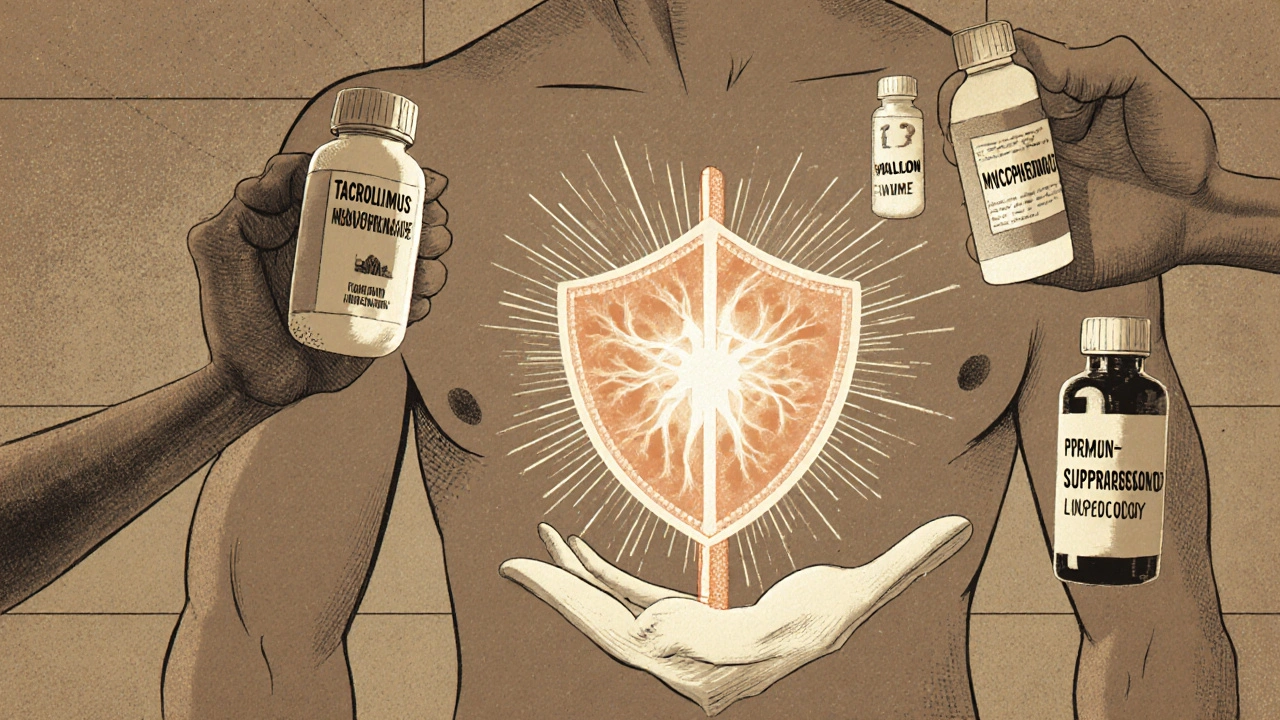
Organ Transplant Recipients: Immunosuppressant Drug Interactions and Side Effects
Organ transplant recipients must take lifelong immunosuppressant drugs to prevent rejection, but these medications carry serious side effects and dangerous drug interactions. Learn how tacrolimus, mycophenolate, and steroids impact health, what to watch for, and how modern protocols are improving outcomes.
Read More
Postpartum Anxiety: Recognizing Symptoms, Screening Tools, and Effective Care Paths
Postpartum anxiety affects 1 in 5 new mothers and is often missed. Learn the real symptoms, how screening works, and evidence-based treatment paths - from therapy to medication - that actually help.
Read MoreLatest Post
-
-

-

Top Alternatives to CVS.com for Affordable Medications 24 March 2025
-
When to Avoid a Medication Family After a Severe Drug Reaction 17 November 2025
-