Category: Pharmaceuticals - Page 2
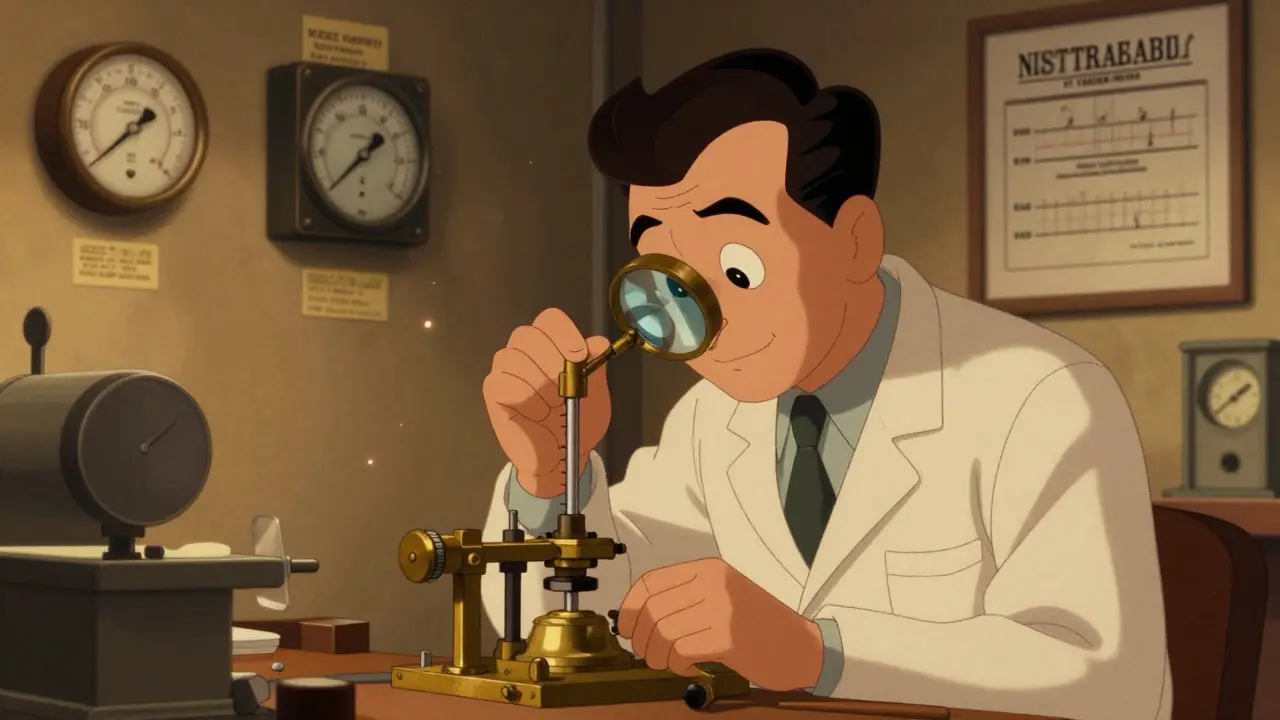
Equipment Maintenance: Calibration and Validation Requirements for Manufacturing Quality
Calibration and validation ensure measuring equipment in manufacturing delivers accurate, compliant results. Learn how ISO 13485, FDA, and CLIA requirements work, what intervals to use, and how to avoid costly compliance failures.
Read More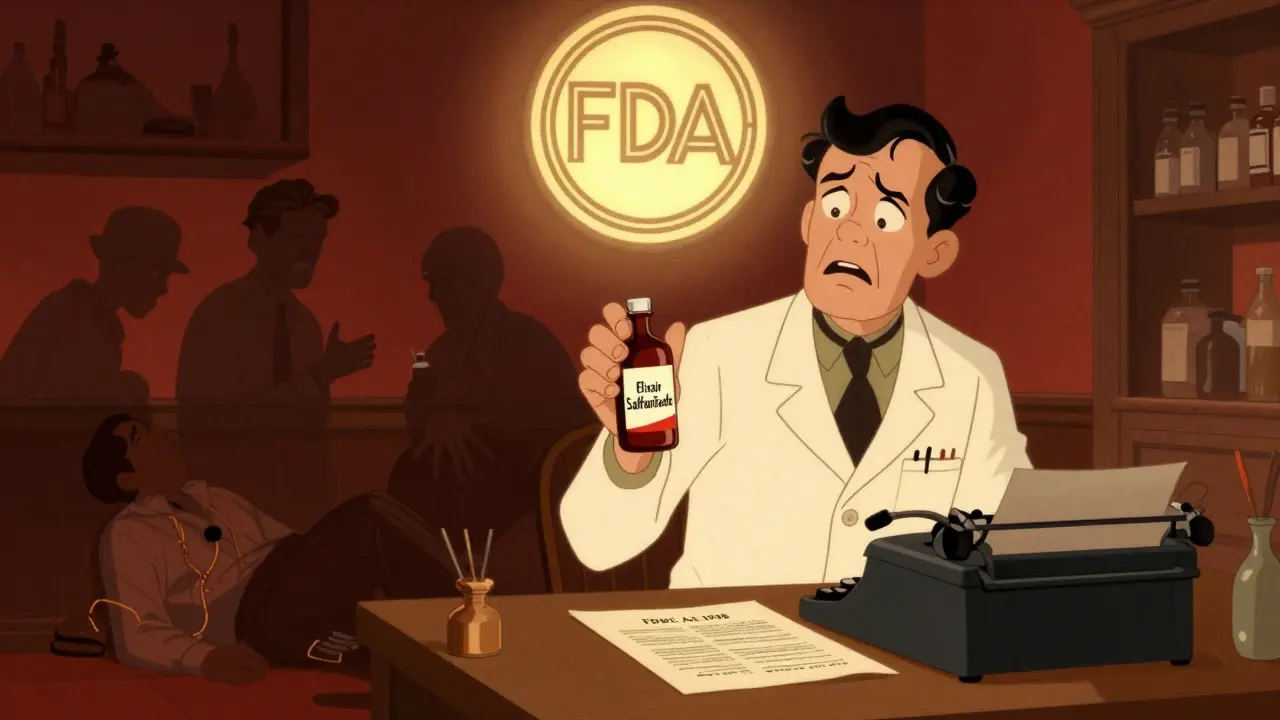
Federal Food, Drug, and Cosmetic Act: How It Built the Legal Foundation for Generic Drugs
The FD&C Act laid the groundwork for drug safety in the U.S., but it was the Hatch-Waxman Amendments that created the legal pathway for generic drugs. Today, 90% of prescriptions are generic-saving billions thanks to this system.
Read More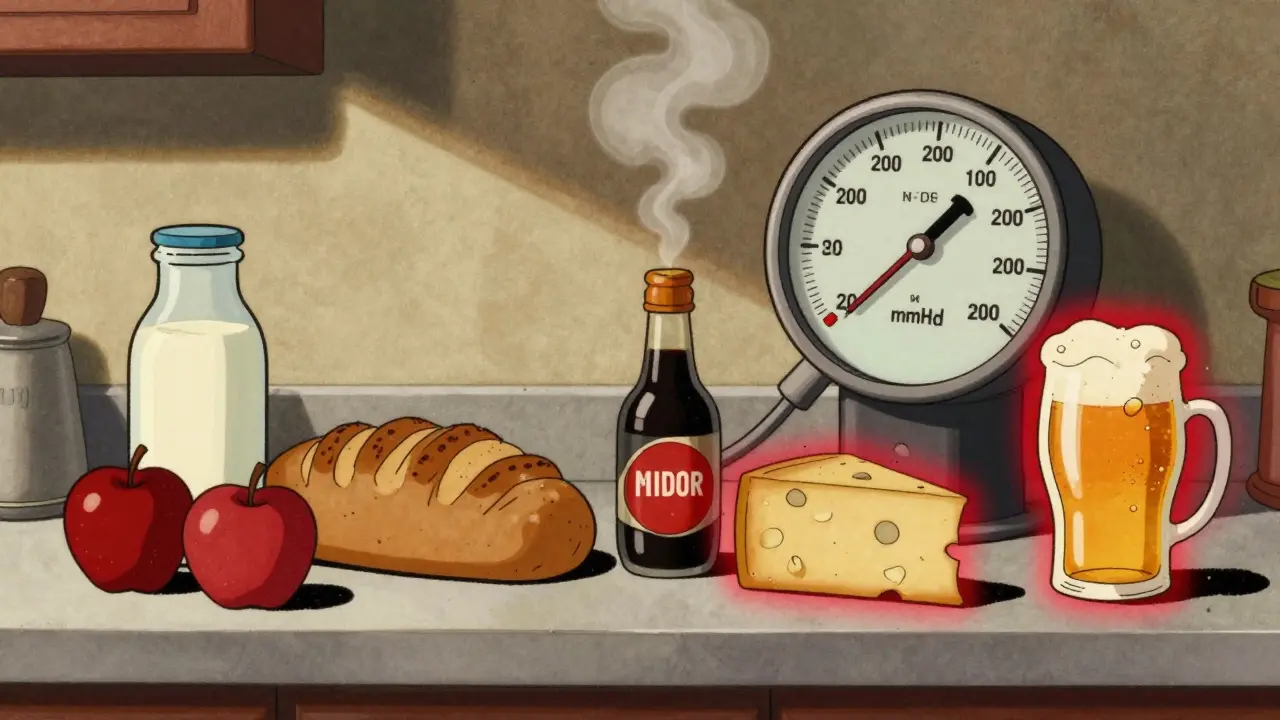
Linezolid and Tyramine: What You Must Eat (and Avoid) to Prevent Dangerous Blood Pressure Spikes
Linezolid can cause life-threatening blood pressure spikes when combined with tyramine-rich foods like aged cheese, soy sauce, or draft beer. Learn exactly what to avoid, how long to wait after treatment, and why even small amounts can be dangerous.
Read More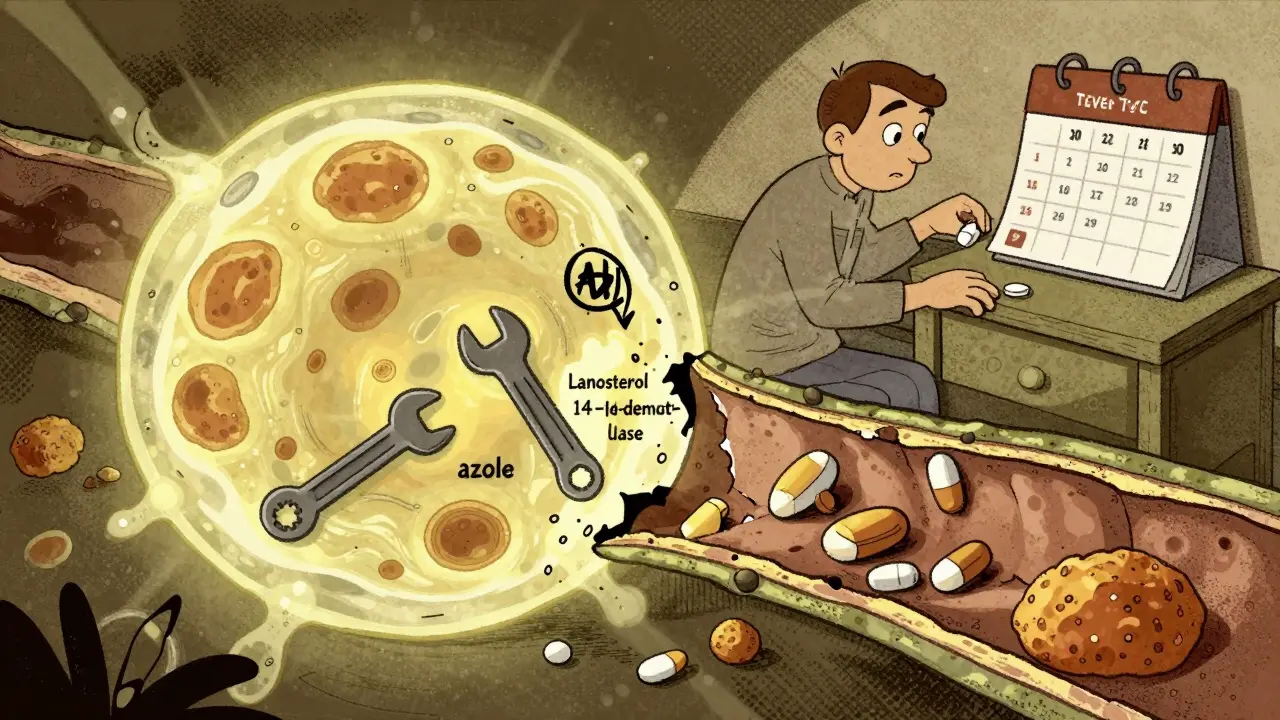
Antifungal Medications: Azoles, Echinocandins, and What You Need to Know About Safety
Azoles and echinocandins are the two main classes of antifungal drugs used for serious fungal infections. Azoles are oral and broad-spectrum but carry high risks of liver damage and drug interactions. Echinocandins are IV-only with fewer interactions and better safety in critically ill patients. Choosing the right one depends on the infection, patient health, and medication history.
Read More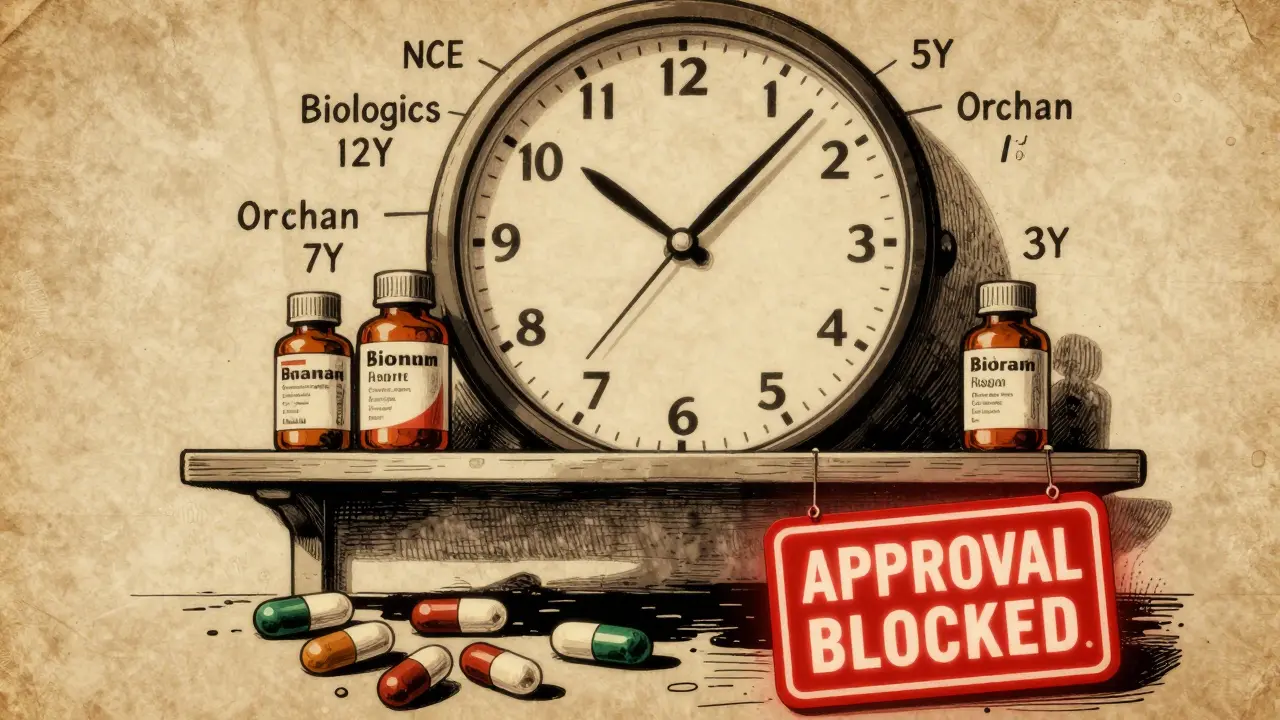
Regulatory Exclusivity: How Non-Patent Protections Control Drug Market Access
Regulatory exclusivity gives drugmakers guaranteed market protection without patents, blocking generics for 5 to 12 years. Learn how it works, why it matters, and how it affects drug prices and access.
Read More
SSRIs with NSAIDs: How This Common Drug Combo Increases GI Bleeding Risk and What to Do About It
Combining SSRIs with NSAIDs significantly raises the risk of dangerous GI bleeding. Learn why this happens, who’s most at risk, safer alternatives like acetaminophen, and how to protect yourself with PPIs or medication changes.
Read More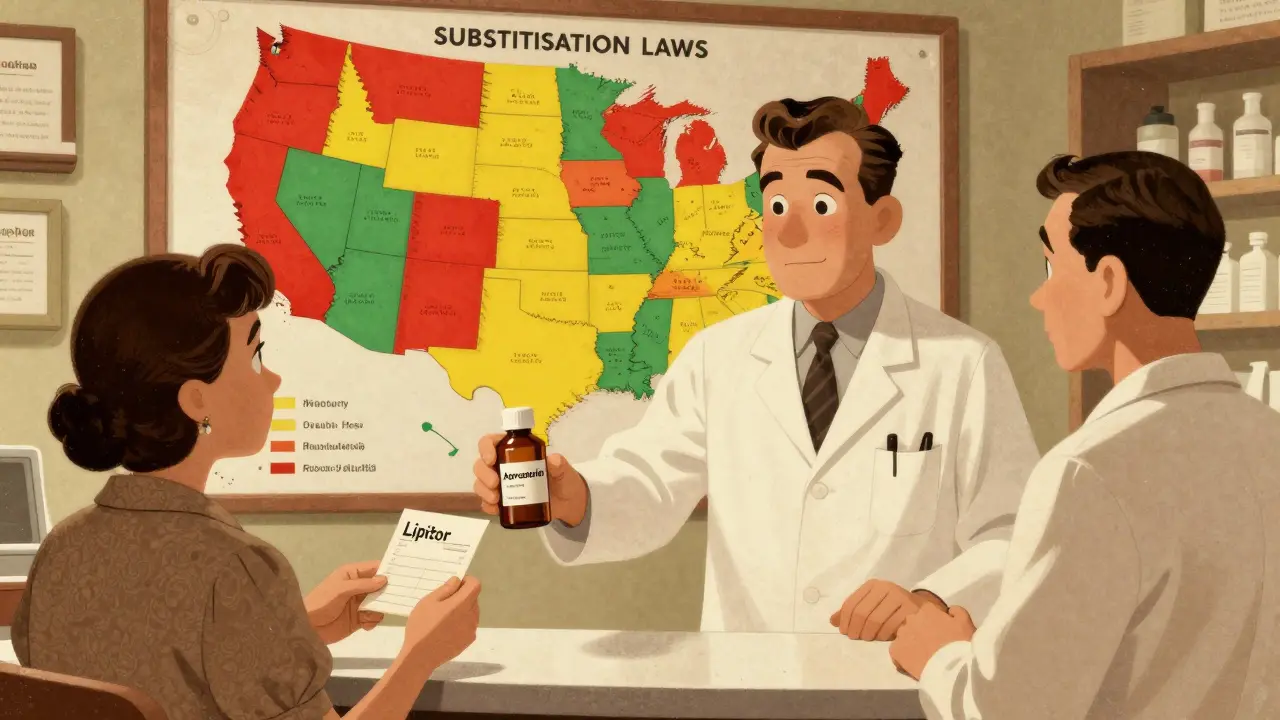
Presumed Consent in Pharmacy: When Pharmacists Can Switch Your Medication Without Asking
In 43 U.S. states, pharmacists can swap your brand-name medication for a generic version without asking. Learn how presumed consent laws work, which drugs are safe to switch, and how to protect yourself.
Read More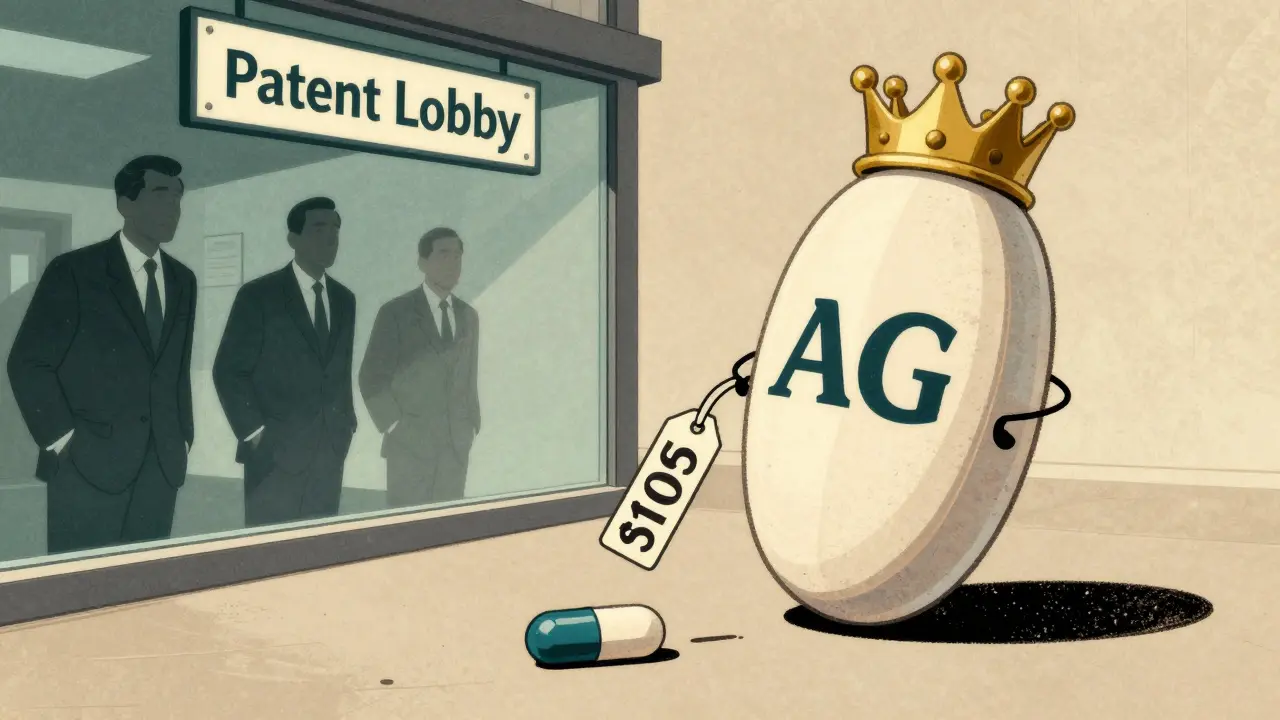
Why Most Drugs Don't Have Authorized Generics - And What It Means for Your Prescription Costs
Not all drugs have authorized generics - because they're not meant to be widely available. They're strategic tools used by brand manufacturers to control competition and protect profits, not to lower prices for everyone.
Read More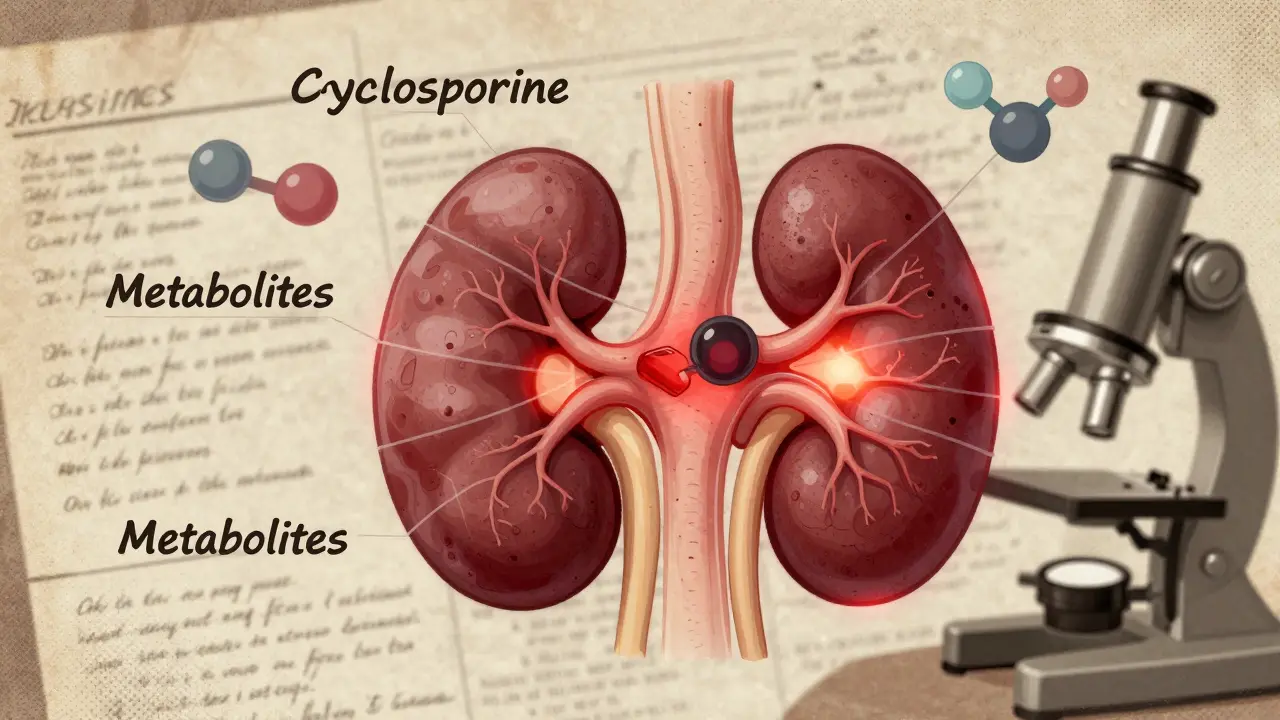
Cyclosporine Nephrotoxicity: How to Monitor Kidney Function and Drug Levels Effectively
Cyclosporine nephrotoxicity is a major risk for transplant patients. Learn how to monitor drug levels and kidney function with accurate testing, target ranges, and practical tips to avoid permanent damage.
Read More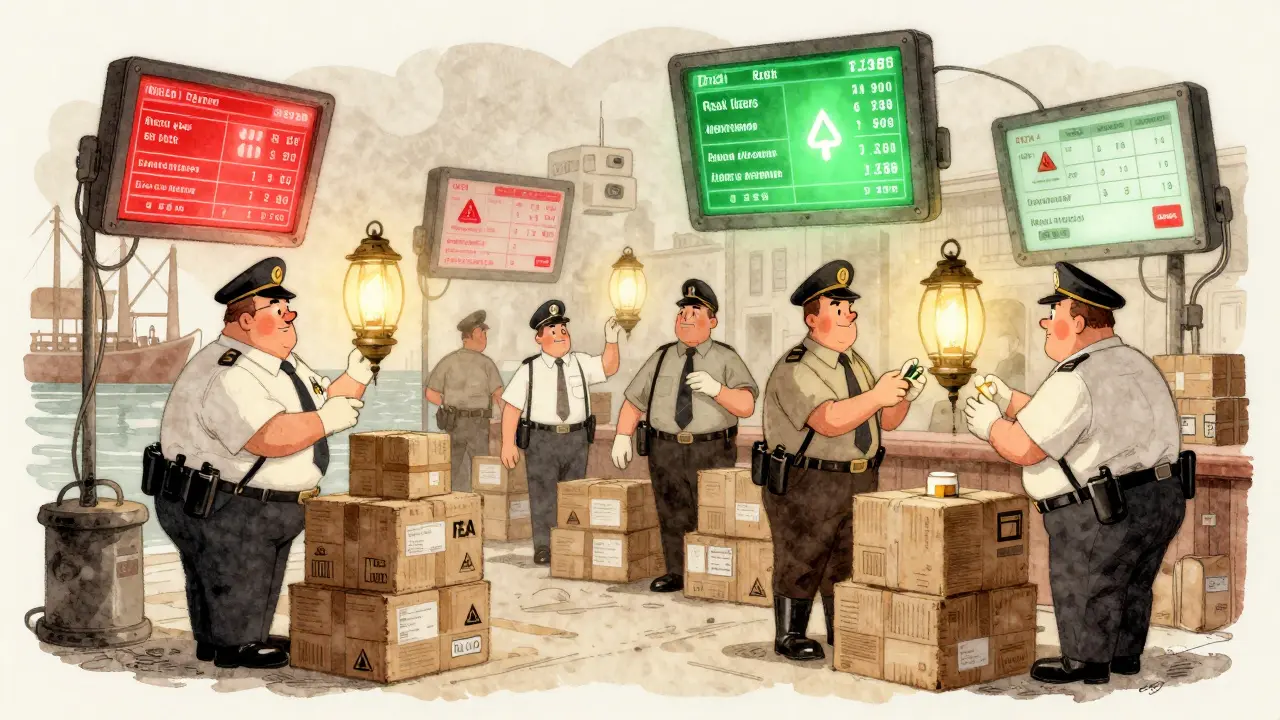
How the FDA Inspects Drugs Entering the U.S. to Ensure Safety and Quality
The FDA inspects millions of drug shipments entering the U.S. each year using risk-based screening, lab testing, and real-time alerts to block unsafe products. Learn how the system works, who gets fast-tracked, and why so many shipments still get detained.
Read More